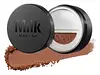
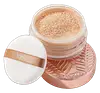
Milk Makeup Pore Eclipse Matte Translucent Setting Powder Versus Tarte Amazonian Clay Gem Powder Foundation

What's inside
What's inside
 Key Ingredients
Benefits
Concerns
No concerns
Ingredients Side-by-side
Mica
Cosmetic ColorantSilica
Abrasive


Lauroyl Lysine
Skin Conditioning
Magnesium Myristate
Zea Mays Starch
Absorbent
Lens Esculenta Seed Extract
Skin ProtectingBakuchiol
Antimicrobial








Niacinamide
Smoothing


Persea Gratissima Fruit Extract
EmollientWater
Skin ConditioningCaprylic/Capric Triglyceride
Masking

Maltodextrin
Absorbent
Sodium Hyaluronate
Humectant
Ethylhexylglycerin
Skin ConditioningPhenoxyethanol
Preservative
Iron Oxides
CI 77007
Cosmetic ColorantMica
Cosmetic ColorantAlumina
Abrasive
Caprylic/Capric Triglyceride
Masking
Tourmaline
Ruby Powder
Skin ConditioningKaolin
Abrasive
Maris Sal
Skin ConditioningCamellia Sinensis Leaf Extract
Antimicrobial
Smithsonite Extract
Antioxidant
Tocopherol
Antioxidant
Triethoxycaprylylsilane

Caprylyl Glycol
Emollient
Ethylhexylglycerin
Skin ConditioningGlycerin
Humectant
Water
Skin ConditioningCI 77891
Cosmetic ColorantCI 77163
Cosmetic Colorant

CI 77491
Cosmetic ColorantCI 77492
Cosmetic ColorantCI 77499
Cosmetic ColorantCI 19140
Cosmetic ColorantCI 77007
Cosmetic ColorantMica, Alumina, Caprylic/Capric Triglyceride, Tourmaline, Ruby Powder, Kaolin, Maris Sal, Camellia Sinensis Leaf Extract, Smithsonite Extract, Tocopherol, Triethoxycaprylylsilane, Caprylyl Glycol, Ethylhexylglycerin, Glycerin, Water, CI 77891, CI 77163, CI 77491, CI 77492, CI 77499, CI 19140, CI 77007
Reviews
Ingredients Explained
These ingredients are found in both products.
Ingredients higher up in an ingredient list are typically present in a larger amount.
Caprylic/Capric Triglyceride (aka MCT Oil) is a lightweight emollient, solvent, and texture enhancer. It is considered a skin-softener by helping to prevent moisture loss.
Though it behaves like an oil, it is not technically one due to its chemical composition. One perk of this ingredient is that it is very stable, resistant to oxidation, and unlikely to go rancid.
In practice, that translates to a long shelf life and a consistently elegant skin feel.
While there is an assumption Caprylic Triglyceride can clog pores due to it being derived from coconut oil, there is no research supporting this. Just patch test if you have concerns.
Fractionated coconut oil and MCT Oil are both listed as Caprylic/Capric Triglyceride according to INCI. This is because INCI names are based on the ingredient’s final chemical composition and not its marketing name or source.
This ingredient is treated as the gold standard fungal acne safe oil. Even though it is coconut derived, the problematic lauric acid is stripped out.
This leaves just caprylic (C8) and capric (C10) acid. These chain lengths actually trend antifungal; a 2020 study found caprylic acid was enough to disrupt Malassezia furfur cell membrane, with a caprylic acid derivative damaging membrane structures at concentrations as low as 0.2%.
Learn more about Caprylic/Capric TriglycerideThis pigment is called Ultramarine blue lazurite. It gives a saturated blue color, but can be used to create other colors as well.
According to the manufacturer, it is usually made from kaolin, sodium sulfate, sodium carbonate, sulfur, and charcoal.
Ethylhexylglycerin is created from glycerin. It is a multitasker ingredient that:
The CIR Expert Panel found minimal skin absorption or sensitization of any kind in a safety assessment. Though this ingredient is considered well-tolerated, a small number of cases of allergic dermatitis have been published since 2002. Just be sure to patch test if you are unsure.
Industry-reported use ranges from 8% in rinse-off products and 2% in leave-on formulations.
Learn more about EthylhexylglycerinMica is a naturally occurring mineral used to add shimmer and color in cosmetics. It can also help improve the texture of a product or give it an opaque, white/silver color.
Serecite is the name for very fine but ragged grains of mica.
This ingredient is often coated with metal oxides like titanium dioxide. Trace amounts of heavy metals may be found in mica, but these metals are not harmful in our personal products.
Mica has been used since prehistoric times throughout the world. Ancient Egyptian, Indian, Greek, Roman, Aztec, and Chinese civilizations have used mica.
Learn more about MicaWater. It's the most common cosmetic ingredient of all. You'll usually see it at the top of ingredient lists, meaning that it makes up the largest part of the product.
So why is it so popular? Water most often acts as a solvent - this means that it helps dissolve other ingredients into the formulation.
You'll also recognize water as that liquid we all need to stay alive. If you see this, drink a glass of water. Remember to stay hydrated!
Learn more about Water

