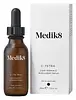
This brightening serum is formulated around Tetrahexyldecyl Ascorbate and Simmondsia Chinensis Seed Oil to brighten dull-looking skin and fade the look of dark spots.
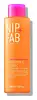
This brightening toner is formulated around Lactic Acid and Ascorbic Acid to brighten dull-looking skin and refine skin texture.

What's inside
What's inside
 Key Ingredients
Benefits
Concerns
Ingredients Side-by-side





Water
Skin ConditioningGlycerin
Humectant


Butylene Glycol
Humectant
Lactic Acid
Buffering









Polysorbate 20
Emulsifying
Phenoxyethanol
Preservative
Ascorbic Acid
Antioxidant

Benzyl Alcohol
Perfuming



Sodium Hydroxide
BufferingParfum
Masking
Disodium EDTA
Panthenol
Skin Conditioning

Sodium Sulfite
Preservative
Ethylhexylglycerin
Skin Conditioning1-Methylhydantoin-2-Imide
Skin ConditioningDehydroacetic Acid
Preservative
Limonene
Perfuming
Camellia Sinensis Leaf Extract
Antimicrobial
Coffea Arabica Seed Extract
Masking
Euterpe Oleracea Fruit Extract
Garcinia Mangostana Fruit Extract
Skin ConditioningHydrolyzed Lycium Barbarum Fruit Extract
Antioxidant
Morinda Citrifolia Fruit Extract
Skin Conditioning
Punica Granatum Fruit Juice
MaskingWater, Glycerin, Butylene Glycol, Lactic Acid, Polysorbate 20, Phenoxyethanol, Ascorbic Acid, Benzyl Alcohol, Sodium Hydroxide, Parfum, Disodium EDTA, Panthenol, Sodium Sulfite, Ethylhexylglycerin, 1-Methylhydantoin-2-Imide, Dehydroacetic Acid, Limonene, Camellia Sinensis Leaf Extract, Coffea Arabica Seed Extract, Euterpe Oleracea Fruit Extract, Garcinia Mangostana Fruit Extract, Hydrolyzed Lycium Barbarum Fruit Extract, Morinda Citrifolia Fruit Extract, Punica Granatum Fruit Juice
Reviews
Ingredients Explained
These ingredients are found in both products.
Ingredients higher up in an ingredient list are typically present in a larger amount.
Limonene is a fragrance that adds scent and taste to a formulation.
It's found in the peel oil of citrus fruits and other plants such as lavender and eucalyptus. The scent of limonene is generally described as "sweet citrus".
Limonene acts as an antioxidant, meaning it helps neutralize free radicals.
When exposed to air, oxidized limonene may sensitize the skin. Because of this, limonene is often avoided by people with sensitive skin.
The term 'fragrance' is not regulated in many countries. In many cases, it is up to the brand to define this term. For instance, many brands choose to label themselves as "fragrance-free" because they are not using synthetic fragrances. However, their products may still contain ingredients such as essential oils that are considered a fragrance.
Learn more about Limonene

