Maybelline Super Stay Full Coverage Powder Foundation Versus Maybelline Super Stay Better Skin Powder Foundation

What's inside
What's inside
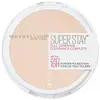 Key Ingredients
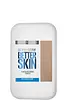
Benefits
Concerns
Ingredients Side-by-side
Talc
Abrasive
Magnesium Stearate
Cosmetic ColorantPolymethyl Methacrylate

Synthetic Fluorphlogopite
Isononyl Isononanoate
EmollientNylon-12

Hydrogenated Polydecene
EmollientVinyl Dimethicone/Methicone Silsesquioxane Crosspolymer

Aluminum Hydroxide
EmollientDimethicone
Emollient
Hydrogenated Palm Oil
Emollient


Palmitoyl Proline
Skin ConditioningGlycerin
Humectant

Hydrogen Dimethicone
Water
Skin ConditioningSodium Palmitoyl Sarcosinate
CleansingMagnesium Palmitoyl Glutamate
Skin ConditioningPalmitic Acid
Emollient
Phenoxyethanol
Preservative
Moringa Oleifera Seed Extract
Skin Conditioning
Disodium Phosphate
BufferingCitric Acid
Buffering

Tocopherol
Antioxidant




CI 77891
Cosmetic ColorantMica
Cosmetic ColorantCI 77491
Cosmetic ColorantCI 77492
Cosmetic ColorantCI 77499
Cosmetic ColorantTalc, Magnesium Stearate, Polymethyl Methacrylate, Synthetic Fluorphlogopite, Isononyl Isononanoate, Nylon-12, Hydrogenated Polydecene, Vinyl Dimethicone/Methicone Silsesquioxane Crosspolymer, Aluminum Hydroxide, Dimethicone, Hydrogenated Palm Oil, Palmitoyl Proline, Glycerin, Hydrogen Dimethicone, Water, Sodium Palmitoyl Sarcosinate, Magnesium Palmitoyl Glutamate, Palmitic Acid, Phenoxyethanol, Moringa Oleifera Seed Extract, Disodium Phosphate, Citric Acid, Tocopherol, CI 77891, Mica, CI 77491, CI 77492, CI 77499
Talc
Abrasive
Lauroyl Lysine
Skin Conditioning
Nylon-12
Isononyl Isononanoate
EmollientHydrogenated Polydecene
EmollientMagnesium Stearate
Cosmetic ColorantMethicone
Emollient
Hydrogenated Palm Oil
Emollient
Salicylic Acid
Masking






Caprylyl Glycol
Emollient
Ascorbyl Glucoside
Antioxidant
Calcium Pantothenate
Zinc Gluconate
Skin Conditioning
Manganese Gluconate
Skin ConditioningMagnesium Gluconate
Skin ConditioningCopper PCA
HumectantCI 77891
Cosmetic ColorantCI 77491
Cosmetic ColorantCI 77492
Cosmetic ColorantCI 77499
Cosmetic ColorantTalc, Lauroyl Lysine, Nylon-12, Isononyl Isononanoate, Hydrogenated Polydecene, Magnesium Stearate, Methicone, Hydrogenated Palm Oil, Salicylic Acid, Caprylyl Glycol, Ascorbyl Glucoside, Calcium Pantothenate, Zinc Gluconate, Manganese Gluconate, Magnesium Gluconate, Copper PCA, CI 77891, CI 77491, CI 77492, CI 77499
Reviews
Ingredients Explained
These ingredients are found in both products.
Ingredients higher up in an ingredient list are typically present in a larger amount.
Ci 77491 is also hydrated iron III oxide. It's sole purpose is to give a red/pink hue to products.
Iron III oxides are classified as inorganic chemicals for coloring.
Synthetically created Ci 77491 is considered safer than those naturally found. This is because the synthetically created version may contain less impurities. Iron oxides are generally non-toxic and non-allergenic.
Learn more about CI 77491CI 77492 is also hydrated iron III oxide. It's sole purpose is to give a yellow hue to products.
Iron III oxides are classified as inorganic chemicals for coloring.
Synthetically created CI 77492 is considered safer than those naturally found. This is because the synthetically created version may contain less impurities. Iron oxides are generally non-toxic and non-allergenic.
Learn more about CI 77492Ci 77499 is also hydrated iron III oxide. It is created from mixing red and black iron oxides. This helps give shades of darkness to a product.
Iron III oxides are classified as inorganic chemicals for coloring.
Ci 77891 is a white pigment from Titanium dioxide. It is naturally found in minerals such as rutile and ilmenite.
It's main function is to add a white color to cosmetics. It can also be mixed with other colors to create different shades.
Ci 77891 is commonly found in sunscreens due to its ability to block UV rays.
Learn more about CI 77891Hydrogenated Palm Oil is an oil and isn't fungal acne safe.
Hydrogenated Polydecene is a synthetic emollient. It forms a non-occlusive film on the skin's surface to provide a silky feel without being greasy.
In vivo studies in volunteers with atopic and dry skin showed no irritation or intolerance. The volunteers also saw a positive effect in dryness, scaling, and roughness after 28 days of use.
Concentrations up to 100% in guinea pig tests found it to be non-sensitizing and completely safe for use in cosmetics.
Learn more about Hydrogenated PolydeceneIsononyl Isononanoate is a synthetic skin-conditioner and texture enhancer. It is created from nonanoic acid, a fatty acid found in cocoa and lavender oil.
As an emollient, Isononyl Isononanoate helps keep your skin soft and smooth. This is because emollients create a barrier on the skin to trap moisture in.
Isononyl Isononanoate helps give products a velvet feel and improves spreadability.
Learn more about Isononyl IsononanoateMagnesium Stearate is a salt that is 2 parts stearic acid and 1 part magnesium.
It is a white powder that can be used to add bulk and color to products by binding to oil ingredients.
Nylon-12 is a polymer. It is derived from 12-aminododecanoic acid, an omega-amino fatty acid
According to a manufacturer, it is a talc substitute. Like talc, nylon-12 gives products a satin feel. The manufacturer also claims this ingredients does not block pores and has moderate oil absorption.
This ingredient may not be reef-safe.
Learn more about Nylon-12Talc is a clay mineral. It helps absorb moisture and improve the texture of products. Like other types of clay, Talc can have a slight exfoliating effect on skin. Talc can be added to increase the volume of products.
Some Baby powders are made by combining talc with corn starch. The word "talc" comes from Latin and originates from Arabic. Talc is a mineral commonly found throughout the world.
If you have any concerns about using talc, we recommend checking out the FDA's official page.
Learn more about Talc

