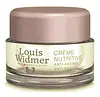
This anti-aging night moisturizer is formulated around Panthenol and Retinyl Palmitate to soften the look of wrinkles and hydrate skin.

What's inside
What's inside
 Key Ingredients
Benefits
Concerns
Ingredients Side-by-side
Water
Skin ConditioningDicaprylyl Ether
Emollient
Glycerin
Humectant

Isopropyl Myristate
Emollient





Polyglyceryl-3 Ricinoleate
Emulsifying
Sorbitan Isostearate
Emulsifying
Paraffin
Skin Conditioning
Cera Microcristallina
Emulsion StabilisingPanthenol
Skin Conditioning

Phenoxyethanol
Preservative
Euphorbia Cerifera Wax
Magnesium Stearate
Cosmetic ColorantMagnesium Sulfate
Tocopheryl Acetate
Antioxidant


Propylene Glycol
Humectant
Retinyl Palmitate
Skin Conditioning

Sorbitol
Humectant
Ethylhexylglycerin
Skin ConditioningTocopherol
Antioxidant
Collagen Amino Acids
Moisturising
BHT
Antioxidant
Pantolactone
Humectant
Water, Dicaprylyl Ether, Glycerin, Isopropyl Myristate, Polyglyceryl-3 Ricinoleate, Sorbitan Isostearate, Paraffin, Cera Microcristallina, Panthenol, Phenoxyethanol, Euphorbia Cerifera Wax, Magnesium Stearate, Magnesium Sulfate, Tocopheryl Acetate, Propylene Glycol, Retinyl Palmitate, Sorbitol, Ethylhexylglycerin, Tocopherol, Collagen Amino Acids, BHT, Pantolactone






Reviews
Alternatives
Ingredients Explained
These ingredients are found in both products.
Ingredients higher up in an ingredient list are typically present in a larger amount.
Isopropyl Myristate is an ester made by combining isopropyl alcohol with myristic acid.
It is primarily an emollient and penetration enhancer that gives products a lightweight, silky feel without the heaviness of oils.
This ingredient is generally considered non-toxic, non-irritating, and has low absorption potential.
This ingredient does have a comedogenic rating of 3-5, but this doesn't mean a formula with this ingredient will clog pores.
Dermatologist Dr. Zoe Draelos has also confirmed in a peer-reviewed paper that products containing comedogenic ingredients are not necessarily comedogenic themselves.
A small subset of people (~2%) may experience contact sensitivity so patch testing is a reasonable idea if you have reactive skin.
Since this ingredient is an ester of myristic acid (a C14 fatty acid), it falls within the carbon chain range that is known to feed Malassezia. This ingredient may not be fungal acne safe.
Learn more about Isopropyl MyristateParaffin is a solid wax that pulls its weight as an emollient, occlusive, and consistency-booster.
It softens skin and lays down a protective film to slow water loss and gives products a stable body and structure.
The cosmetic grade stuff is highly refined with a solid safety record. The CIR Expert Panel has repeatedly reaffirmed this ingredient to be safe in current practices of use and concentration.
The worry about carcinogenic compounds only applies to industrial grades, not the purified version used in skincare.
Despite its reputation, the highly reformed form is non-comedogenic and doesn't penetrate deeply into skin.
The good news for fungal-acne prone folks: the Malassezia yeast feeds on fatty acids and lipids and paraffin doesn't contain any of these (so there's nothing for the yeast to metabolize). This ingredient is considered fungal acne safe.
Learn more about ParaffinWater. It's the most common cosmetic ingredient of all. You'll usually see it at the top of ingredient lists, meaning that it makes up the largest part of the product.
So why is it so popular? Water most often acts as a solvent - this means that it helps dissolve other ingredients into the formulation.
You'll also recognize water as that liquid we all need to stay alive. If you see this, drink a glass of water. Remember to stay hydrated!
Learn more about Water


