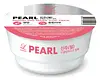
This wash off mask is made with Diatomaceous Earth and Allantoin for a rinse-off oil-control boost.
This hydrating sheet mask is formulated around Sodium Hyaluronate and Panthenol to hydrate skin and calm redness.

What's inside
What's inside
 Key Ingredients
Benefits
Ingredients Side-by-side
Diatomaceous Earth
Abrasive

Glucose
Humectant

CI 77231
Cosmetic ColorantAlgin
MaskingTetrapotassium Pyrophosphate
BufferingMagnesium Oxide
AbsorbentCellulose Gum
Emulsion StabilisingPearl Powder
Dehydroacetic Acid
Preservative
CI 77491
Cosmetic ColorantCitrus Aurantium Dulcis Oil
Masking
Scutellaria Baicalensis Root Powder
Abrasive
Allantoin
Skin Conditioning


Euterpe Oleracea Pulp Powder
Abrasive
Centella Asiatica Leaf/Stem Powder
Adenosine
Skin Conditioning
Potassium Alginate
Emulsion StabilisingDiatomaceous Earth, Glucose, CI 77231, Algin, Tetrapotassium Pyrophosphate, Magnesium Oxide, Cellulose Gum, Pearl Powder, Dehydroacetic Acid, CI 77491, Citrus Aurantium Dulcis Oil, Scutellaria Baicalensis Root Powder, Allantoin, Euterpe Oleracea Pulp Powder, Centella Asiatica Leaf/Stem Powder, Adenosine, Potassium Alginate
Water
Skin ConditioningGlycerin
Humectant
Dipropylene Glycol
HumectantButylene Glycol
Humectant
1,2-Hexanediol
Skin Conditioning
Sea Water
HumectantHydroxypropyltrimonium Hyaluronate
Sodium Acetylated Hyaluronate
Humectant
Hydrolyzed Hyaluronic Acid
Humectant
Hyaluronic Acid
Humectant
Sodium Hyaluronate Crosspolymer
Humectant
Hydrolyzed Sodium Hyaluronate
Skin Conditioning
Potassium Hyaluronate
Skin ConditioningSodium Hyaluronate
Humectant
Protease
Exfoliating
Leucine
Skin ConditioningLysine
Skin ConditioningPhenylalanine
Masking
Tryptophan
MaskingValine
MaskingThreonine
Isoleucine
Skin ConditioningMethionine
Skin ConditioningAllantoin
Skin Conditioning
Betaine
Humectant
Panthenol
Skin Conditioning
Dipotassium Glycyrrhizate
Humectant
Glucose
Humectant
Xylitylglucoside
Humectant
Anhydroxylitol
Humectant
Xylitol
Humectant
Ethylhexylglycerin
Skin ConditioningSodium Phytate
ChelatingCarbomer
Emulsion StabilisingArginine
Masking
Water, Glycerin, Dipropylene Glycol, Butylene Glycol, 1,2-Hexanediol, Sea Water, Hydroxypropyltrimonium Hyaluronate, Sodium Acetylated Hyaluronate, Hydrolyzed Hyaluronic Acid, Hyaluronic Acid, Sodium Hyaluronate Crosspolymer, Hydrolyzed Sodium Hyaluronate, Potassium Hyaluronate, Sodium Hyaluronate, Protease, Leucine, Lysine, Phenylalanine, Tryptophan, Valine, Threonine, Isoleucine, Methionine, Allantoin, Betaine, Panthenol, Dipotassium Glycyrrhizate, Glucose, Xylitylglucoside, Anhydroxylitol, Xylitol, Ethylhexylglycerin, Sodium Phytate, Carbomer, Arginine
Reviews
Ingredients Explained
These ingredients are found in both products.
Ingredients higher up in an ingredient list are typically present in a larger amount.
Allantoin is a soothing ingredient known for its protective and moisturizing properties; it's basically a quiet workhorse ingredient you can find in a huge range of cosmetics.
Though it can be derived from the comfrey plant, allantoin is produced synthetically for cosmetic products to ensure purity.
Research shows it can encourage your skin cells to turn over and renew by stimulating keratinocyte and fibroblast proliferation.
It also has mild keratolytic properties to help loosen and shed dead skin cells without being harsh.
Studies also suggest allantoin can help calm inflammation by dialing down some of the chemical signals your skin sends out when it is irritated.
This ingredient is typically used in the 0.1-0.5% range, and the FDA recognizes it as a skin protectant in OTC products up to 2%.
Overall, allantoin is a wonderful addition to most routines; it is stable across a wide pH range (~4-8), works well with other ingredients, and is considered non-sensitizing/non-irritating.
Fun fact: Allantoin is naturally occurring in comfrey root, beets, chamomile, and wheat sprouts. Our bodies even produce it as a byproduct of uric acid metabolism.
Learn more about AllantoinGlucose is a simple sugar (a monosaccharide). In skincare, it is mostly a humectant and skin conditioning agent.
Mechanistically, it has multiple hydroxyl groups that hydrogen-bond to water. This pulls moisture into the upper layers of skin to keep the surface soft and hydrated.
It's worth knowing sugars are already a natural component of the skin's NMF (natural moisturizing factor) so it's a molecule that your stratum corneum is well-acquainted with.
Just so you know, glucose is hydrophilic (water-loving) and the stratum corneum is a strong barrier to hydrophilic compounds. This just means penetration is slow and most of the action is happening on the surface.
Gram-to-gram, glucose is not as efficient as a humectant as glycerin. This is why you'll likely see glycose paired with stronger humectants for a bigger hydration payoff.
In skincare, glucose is typically derived from corn or other starch sources.
Learn more about Glucose

