Laura Mercier Translucent Loose Setting Powder Versus Makeup by Mario Surrealskin Soft Blur Setting Powder


What's inside
What's inside
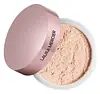 Key Ingredients
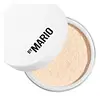
Benefits
Concerns
Ingredients Side-by-side
Talc
Abrasive
Magnesium Myristate


Nylon-12


Zea Mays Starch
Absorbent
Caprylic/Capric Triglyceride
Masking


Ethylhexyl Palmitate
Emollient


Glycine Soja Oil
Emollient


Tocopherol
Antioxidant




Lauroyl Lysine
Skin Conditioning
Polymethyl Methacrylate
Methicone
Emollient
Ascorbyl Palmitate
Antioxidant

Methylparaben
Preservative

Sodium Dehydroacetate
Preservative
Propylparaben
Preservative
Butylparaben
Masking
Iron Oxides
CI 77891
Cosmetic ColorantCI 77007
Cosmetic ColorantTalc, Magnesium Myristate, Nylon-12, Zea Mays Starch, Caprylic/Capric Triglyceride, Ethylhexyl Palmitate, Glycine Soja Oil, Tocopherol, Lauroyl Lysine, Polymethyl Methacrylate, Methicone, Ascorbyl Palmitate, Methylparaben, Sodium Dehydroacetate, Propylparaben, Butylparaben, Iron Oxides, CI 77891, CI 77007
Synthetic Fluorphlogopite
Mica
Cosmetic ColorantSilica
Abrasive
Lauroyl Lysine
Skin Conditioning
Kaolin
Abrasive
Magnesium Myristate
Zinc Stearate
Cosmetic ColorantDimethicone
Emollient
Squalane
Emollient
Tetrahexyldecyl Ascorbate
Antioxidant
Potassium Sorbate
Preservative
Caprylyl Glycol
Emollient
1,2-Hexanediol
Skin Conditioning
CI 77491
Cosmetic ColorantCI 77492
Cosmetic ColorantCI 77499
Cosmetic ColorantCI 77742
Cosmetic Colorant
Reviews
Ingredients Explained
These ingredients are found in both products.
Ingredients higher up in an ingredient list are typically present in a larger amount.
This ingredient comes from a fatty acid (lauric acid) and amino acid (lysine). It is used to add a silky feel to cosmetics.
According to a manufacturer, its fatty acid base leaves a silky feeling on the skin. It also has emollient properties because of this. Emollients help soften skin by preventing water from evaporating.
Lauroyl lysine is barely soluble in water.
Learn more about Lauroyl LysineMagnesium Myristate is the magnesium salt of myristic acid, a saturated fatty acid that is naturally found in coconut and palm kernel oil.
In formulas, it's used as an anticaker, opacifier, and viscosity controller; it improves adhesion and glide in pressed mineral makeup, works as a non-gelling thickener in eyeliners/mascaras/lipsticks, and doubles as a white opacifier.
There's no published concentration use from surveys so the best available numbers are supplier guidance: 5-10% for loose powders and 2-5% for creamy cosmetics + pressed powder binding.
The CIR Expert Panel reviewed Magnesium Myristate as part of its assessment of myristic acid and its salts and esters, and concluded the whole group is safe as used in cosmetics.
In human studies, Myristic Acid was non-irritating up to 50% and 100% Magnesium Stearate was non-irritating and non-corrosive on skin and non-irritating to the eye.
There are no published contact allergy case reports for this ingredient so allergy risk is low, but not zero for any ingredient.
There is no comedogenic data for Magnesum Myristate. The comedogenic ratings that circulate for "myristates" come from Isopropyl Myristate which is a structurally different ester.
The rabbit-ear models those comedogenic ratings come from have been shown to be unreliable for predicting whether a finished product will clog pores.
Human testing has proved that any finished product with a comedogenic ingredient won't automatically make you break out; it really comes down to concentration, formula, and your skin.
Some people still find it breaks them out. So if that's you, definitely trust your skin.
Learn more about Magnesium Myristate

