
What's inside
What's inside
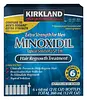 Key Ingredients
No key ingredients
Benefits
Concerns
Ingredients Side-by-side
Minoxidil 2%
Alcohol
Antimicrobial




Propylene Glycol
Humectant
Water
Skin ConditioningCocamidopropyl Betaine
Cleansing
Lauric Acid
Cleansing


Decyl Glucoside
Cleansing
Parfum
Masking

Sodium Chloride
MaskingDisodium Cocoamphodiacetate
CleansingGlycerin
Humectant

Glycol Distearate
Emollient
Potassium Hydroxide
BufferingGuar Hydroxypropyltrimonium Chloride
Skin ConditioningPEG-120 Methyl Glucose Dioleate
Emulsifying
Xylitol
Humectant
Lactitol
HumectantGlyceryl Oleate
Emollient
Coco-Glucoside
Cleansing
Polyquaternium-67
Laureth-4
Emulsifying
Chlorphenesin
Antimicrobial
Citric Acid
Buffering

Lactic Acid
Buffering




Sodium Acetate
BufferingSerenoa Serrulata Fruit Extract
Skin Conditioning
Linalool
Perfuming
Isopropyl Alcohol
Solvent
Phenoxyethanol
Preservative
Tocopherol
Antioxidant


Benzoic Acid
Masking
Dehydroacetic Acid
Preservative
Hydrogenated Palm Glycerides Citrate
Emollient
Lecithin
Emollient
Ascorbyl Palmitate
Antioxidant
Minoxidil 2%, Alcohol, Propylene Glycol, Water, Cocamidopropyl Betaine, Lauric Acid, Decyl Glucoside, Parfum, Sodium Chloride, Disodium Cocoamphodiacetate, Glycerin, Glycol Distearate, Potassium Hydroxide, Guar Hydroxypropyltrimonium Chloride, PEG-120 Methyl Glucose Dioleate, Xylitol, Lactitol, Glyceryl Oleate, Coco-Glucoside, Polyquaternium-67, Laureth-4, Chlorphenesin, Citric Acid, Lactic Acid, Sodium Acetate, Serenoa Serrulata Fruit Extract, Linalool, Isopropyl Alcohol, Phenoxyethanol, Tocopherol, Benzoic Acid, Dehydroacetic Acid, Hydrogenated Palm Glycerides Citrate, Lecithin, Ascorbyl Palmitate
Ingredients Explained
These ingredients are found in both products.
Ingredients higher up in an ingredient list are typically present in a larger amount.
This ingredient is also called ethanol or ethyl alcohol. It is denatured, meaning made undrinkable for cosmetic use.
In formulas, it:
Is it bad for your skin?
The answer comes down to concentration. Patch and wash studies have found highly concentrated alcohol-based hand rubs (60-100%) cause less barrier disruption than washing with a basic detergent like SLS. The only measurable effect in these studies was a temporary dip in skin hydration.
Concentrations below 12-15% in leave-on cosmetics is generally well-tolerated. Concentrations above start to see increased transepidermal water loss (TEWL) and reduced hydration.
In concentrations about 58%, it creates temporary channels in your skin's lipid layers to become more permeable and allow other ingredients to slip through easily.
This ingredient can be up to 80% of the formula in alcohol-based perfumes.
Overall, this ingredient is probably harmless if found lower down an ingredients list but worth side-eyeing if it's high up (especially if your barrier is already struggling).
Alcohol can worsen dry skin, eczema, and oily skin, especially at higher concentrations. This is because it can increase transepidermal water loss and decrease hydration to disrupt the skin barrier.
According to the National Rosacea Society based in the US, you should be mindful of products with these alcohols in the top half of ingredients.
True allergic contact dermatitis to ethanol is uncommon, but be sure to patch test if you have dry or sensitive skin.
Learn more about AlcoholPropylene Glycol is a synthetic, colorless, odorless liquid that has been a staple in cosmetics for decades. It is a skin conditioning agent, humectant, and solvent.
As a humectant, it draw water to the skin to reduce flaking and restore suppleness. It's also a solvent that helps dissolve other actives and keeps formulas stable across temperature changes.
The CIR Expert Panel has confirmed this ingredient to be nontoxic and clinical studies show no sensitization at cosmetic use concentrations.
True allergic reactions are quite rare: a 15-year retrospective study of 6,751 patients found only 0.31% had a positive reaction (and less than half were considered clinically relevant).
It seemed that when sensitization does occur, it's most commonly linked to topical medication (like corticosteroids) and not cosmetics. Allergic contact dermatitis also appears largely limited to individuals with underlying skin conditions.
Overall, propylene glycol is a well-studied ingredient that most people can tolerate without issue.
Learn more about Propylene GlycolWater. It's the most common cosmetic ingredient of all. You'll usually see it at the top of ingredient lists, meaning that it makes up the largest part of the product.
So why is it so popular? Water most often acts as a solvent - this means that it helps dissolve other ingredients into the formulation.
You'll also recognize water as that liquid we all need to stay alive. If you see this, drink a glass of water. Remember to stay hydrated!
Learn more about WaterMinoxidil is a type of medicine to treat hair loss. It must be used indefinitely to be effective at preventing hair loss.
This ingredient is not an INCI ingredient. Please consult a medical professional when using this ingredient.

