
What's inside
What's inside
 Key Ingredients
Benefits
Concerns
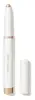
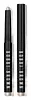
Ingredients Side-by-side
Dimethicone
Emollient

Mica
Cosmetic ColorantSilica
Abrasive


Isoamyl Cocoate





Sucrose Tetrastearate Triacetate
Emollient
Polybutene
Hydrogenated Jojoba Oil
Abrasive
Synthetic Wax
Abrasive
Trimethylsiloxysilicate/Dimethiconol Crosspolymer
Glyceryl Caprylate
EmollientSilica Silylate
Emollient
Pentaerythrityl Tetra-Di-T-Butyl Hydroxyhydrocinnamate
Antioxidant
Synthetic Fluorphlogopite
Ceramide NP
Skin Conditioning





Ascorbyl Palmitate
Antioxidant

Ethylene/Methacrylate Copolymer
Tin Oxide
Abrasive
Isopropyl Titanium Triisostearate
Emollient
CI 77891
Cosmetic ColorantCI 77491
Cosmetic ColorantCI 77499
Cosmetic ColorantCI 77492
Cosmetic ColorantCI 77163
Cosmetic Colorant
CI 77400
Cosmetic ColorantCI 77742
Cosmetic ColorantDimethicone, Mica, Silica, Isoamyl Cocoate, Sucrose Tetrastearate Triacetate, Polybutene, Hydrogenated Jojoba Oil, Synthetic Wax, Trimethylsiloxysilicate/Dimethiconol Crosspolymer, Glyceryl Caprylate, Silica Silylate, Pentaerythrityl Tetra-Di-T-Butyl Hydroxyhydrocinnamate, Synthetic Fluorphlogopite, Ceramide NP, Ascorbyl Palmitate, Ethylene/Methacrylate Copolymer, Tin Oxide, Isopropyl Titanium Triisostearate, CI 77891, CI 77491, CI 77499, CI 77492, CI 77163, CI 77400, CI 77742
Cyclopentasiloxane
Emollient
Trimethylsiloxysilicate
Emollient
Polyethylene
Abrasive
Lauroyl Lysine
Skin Conditioning
Ozokerite
Emulsion StabilisingOctyldodecanol
Emollient
Synthetic Beeswax
Emulsion Stabilising
Ascorbyl Palmitate
Antioxidant
Tocopherol
Antioxidant

Lecithin
Emollient
Disteardimonium Hectorite
StabilisingPropylene Carbonate
SolventCalcium Aluminum Borosilicate
Synthetic Fluorphlogopite
Calcium Sodium Borosilicate
Citric Acid
Buffering
Silica
Abrasive
Tin Oxide
Abrasive
Mica
Cosmetic ColorantCI 77891
Cosmetic ColorantCI 77492
Cosmetic ColorantCI 77491
Cosmetic ColorantCI 77499
Cosmetic ColorantCI 77742
Cosmetic ColorantCI 19140
Cosmetic ColorantCI 77288
Cosmetic ColorantCI 77289
Cosmetic ColorantCI 75470
Cosmetic ColorantCI 77163
Cosmetic Colorant
CI 77510
Cosmetic ColorantCI 77000
Cosmetic ColorantCI 42090
Cosmetic ColorantCI 77007
Cosmetic ColorantCyclopentasiloxane, Trimethylsiloxysilicate, Polyethylene, Lauroyl Lysine, Ozokerite, Octyldodecanol, Synthetic Beeswax, Ascorbyl Palmitate, Tocopherol, Lecithin, Disteardimonium Hectorite, Propylene Carbonate, Calcium Aluminum Borosilicate, Synthetic Fluorphlogopite, Calcium Sodium Borosilicate, Citric Acid, Silica, Tin Oxide, Mica, CI 77891, CI 77492, CI 77491, CI 77499, CI 77742, CI 19140, CI 77288, CI 77289, CI 75470, CI 77163, CI 77510, CI 77000, CI 42090, CI 77007
Ingredients Explained
These ingredients are found in both products.
Ingredients higher up in an ingredient list are typically present in a larger amount.
Ascorbyl Palmitate is a fat-soluble form of vitamin C (Ascorbic Acid) made by combining it with palmitic acid.
It is able to blend easily into creams and oil-based formulas because it dissolves in oils rather than water.
As you may know, regular vitamin C is notorious for breaking down when exposed to sunlight and air. Ascorbyl Palmitate is more stable and degrades at a slower rate.
Research on whether it converts efficiently into active vitamin C once it's applied on your skin is still limited.
Some in-vitro studies suggest it may support collagen production, but it is not considered one of the stronger vitamin C derivatives, like:
Due to the palmitic acid base, this ingredient may not be fungal acne safe. Comedogenic studies have also shown this ingredient to have a rating of 2.
It's also worth keeping in mind that comedogenic and irritancy ratings are tested on individual ingredients, not finished formulas. The final product's formulation, concentration, and other ingredients all play a role in how something actually behaves on your skin.
Learn more about Ascorbyl PalmitateCI 77163 is the color-index name for Bismuth Oxychloride, a lab-made white powder that acts as a pearl pigment.
It's what gives a lot of pressed powders, eyeshadows, highlighteres, and mineral foundations that soft pearly glow.
Due to its structure as flat, plate-like crystals that stack like tiles, it feels silky and sticks to skin well. This also makes it very chemically stable and insoluble under normal skin conditions (this just means it sits on top of skin rather than going into it).
It has an interesting quirk: it slowly goes gray in sunlight and the graying is partly reversible in the dark.
At this time, there's no legal cap on how much a brand can use. Both the FDA and the EU permit it without restriction so real-world concentration levels come down to formulation:
Allergy risk is low as well since it's insoluble and doesn't release free metal ions into skin. True allergic contact dermatitis to it is rare enough that there's very little published cases.
However, mineral makeup users do report itching or stinging. The leading explanation for this is irritation from those stiff platelet crystals rubbing on skin (also more likely with heavy, high-percentage loose mineral powders) rather than an immune reaction.
This ingredient shows up on a lot of "pore-clogging" lists but there's no real evidence behind that. It doesn't even have a comedogenic rating from an actual study; the numbers you'll find online come from blogs citing other blogs.
Some people still find it breaks them out. So if that's you, definitely trust your skin.
Learn more about CI 77163Ci 77491 is also hydrated iron III oxide. It's sole purpose is to give a red/pink hue to products.
Iron III oxides are classified as inorganic chemicals for coloring.
Synthetically created Ci 77491 is considered safer than those naturally found. This is because the synthetically created version may contain less impurities. Iron oxides are generally non-toxic and non-allergenic.
Learn more about CI 77491CI 77492 is also hydrated iron III oxide. It's sole purpose is to give a yellow hue to products.
Iron III oxides are classified as inorganic chemicals for coloring.
Synthetically created CI 77492 is considered safer than those naturally found. This is because the synthetically created version may contain less impurities. Iron oxides are generally non-toxic and non-allergenic.
Learn more about CI 77492Ci 77499 is also hydrated iron III oxide. It is created from mixing red and black iron oxides. This helps give shades of darkness to a product.
Iron III oxides are classified as inorganic chemicals for coloring.
This ingredient is used to add a violet color to cosmetics.
It is created by reacting phosphoric acid, ammonium dihydrogen orthophosphate, and manganese dioxide.
Ci 77891 is a white pigment from Titanium dioxide. It is naturally found in minerals such as rutile and ilmenite.
It's main function is to add a white color to cosmetics. It can also be mixed with other colors to create different shades.
Ci 77891 is commonly found in sunscreens due to its ability to block UV rays.
Learn more about CI 77891Mica is a naturally occurring mineral used to add shimmer and color in cosmetics. It can also help improve the texture of a product or give it an opaque, white/silver color.
Serecite is the name for very fine but ragged grains of mica.
This ingredient is often coated with metal oxides like titanium dioxide. Trace amounts of heavy metals may be found in mica, but these metals are not harmful in our personal products.
Mica has been used since prehistoric times throughout the world. Ancient Egyptian, Indian, Greek, Roman, Aztec, and Chinese civilizations have used mica.
Learn more about MicaSilica, also known as silicon dioxide, is a naturally occurring mineral. It is used as a fine, spherical, and porous powder in cosmetics.
Though it has exfoliant properties, the function of silica varies depending on the product.
The unique structure of silica enhances the spreadability and adds smoothness, making it a great texture enhancer.
It is also used as an active carrier, emulsifier, and mattifier due to its ability to absorb excess oil.
In some products, tiny microneedles called spicules are made from silica or hydrolyzed sponge. When you rub them in, they lightly polish away dead skin layers and enhance the penetration of active ingredients.
Learn more about SilicaSynthetic Fluorphlogopite is the synthethic version of mica. It consists of fluorine, aluminum and silicate.
Synthetic Fluorphlogopite is used to add volume to products.
It is considered non-irritating on the skin.
Learn more about Synthetic FluorphlogopiteTin Oxide is an inorganic oxide used to add opacity and volume to a product. In nature, it is already found in mineral form. The main ore of tin is an opaque and shiny mineral called casseterite.
Tin Oxide helps remove translucency in a product, or make it more opaque. Besides adding opacity, tin oxide is used for bulking to add volume.


