
What's inside
What's inside
 Key Ingredients
Benefits
Concerns
Ingredients Side-by-side
Talc
Abrasive
Mica
Cosmetic ColorantCaprylic/Capric Triglyceride
Masking


Polymethyl Methacrylate

Silica
Abrasive
Hdi/PPG/Polycaprolactone Crosspolymer
Phenyl Trimethicone
Skin Conditioning
Dimethicone
Emollient
Triethoxycaprylylsilane
Octyldodecyl Stearoyl Stearate
Emollient

1,2-Hexanediol
Skin Conditioning
Glyceryl Caprylate
EmollientCI 77491
Cosmetic ColorantMethicone
Emollient
Hydrogenated Lecithin
Emulsifying
CI 77492
Cosmetic ColorantParfum
Masking



Calamine
AbsorbentHouttuynia Cordata Powder
Skin ConditioningCI 77499
Cosmetic ColorantWater
Skin ConditioningButylene Glycol
Humectant
Mentha Arvensis Leaf Extract
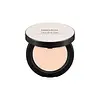
MaskingTalc, Mica, Caprylic/Capric Triglyceride, Polymethyl Methacrylate, Silica, Hdi/PPG/Polycaprolactone Crosspolymer, Phenyl Trimethicone, Dimethicone, Triethoxycaprylylsilane, Octyldodecyl Stearoyl Stearate, 1,2-Hexanediol, Glyceryl Caprylate, CI 77491, Methicone, Hydrogenated Lecithin, CI 77492, Parfum, Calamine, Houttuynia Cordata Powder, CI 77499, Water, Butylene Glycol, Mentha Arvensis Leaf Extract
Silica
Abrasive
Mica
Cosmetic ColorantCaprylic/Capric Triglyceride
Masking
Hydroxyapatite
Abrasive
Dimethicone/Vinyl Dimethicone Crosspolymer
Skin Conditioning
Methicone
Emollient
1,2-Hexanediol
Skin Conditioning
Glyceryl Caprylate
EmollientLimonene
Perfuming
Pinus Sylvestris Leaf Oil
Masking
Water
Skin ConditioningButylene Glycol
Humectant
Citrus Aurantifolia Oil
Cleansing
Eucalyptus Globulus Leaf Oil
Perfuming
Citrus Aurantium Dulcis Peel Oil
Masking
Citrus Aurantium Bergamia Fruit Oil
Masking
Gossypium Herbaceum Extract
Skin ConditioningCitrus Limon Peel Oil
Masking
Salix Alba Bark Extract
Astringent

Chamaecyparis Obtusa Leaf Extract
Skin ConditioningOriganum Vulgare Leaf Extract
Skin ConditioningCinnamomum Cassia Bark Extract
Masking
Portulaca Oleracea Extract
Skin Conditioning
Scutellaria Baicalensis Root Extract
Astringent
Lactobacillus/Soybean Ferment Extract
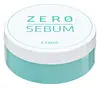
Skin ConditioningSilica, Mica, Caprylic/Capric Triglyceride, Hydroxyapatite, Dimethicone/Vinyl Dimethicone Crosspolymer, Methicone, 1,2-Hexanediol, Glyceryl Caprylate, Limonene, Pinus Sylvestris Leaf Oil, Water, Butylene Glycol, Citrus Aurantifolia Oil, Eucalyptus Globulus Leaf Oil, Citrus Aurantium Dulcis Peel Oil, Citrus Aurantium Bergamia Fruit Oil, Gossypium Herbaceum Extract, Citrus Limon Peel Oil, Salix Alba Bark Extract, Chamaecyparis Obtusa Leaf Extract, Origanum Vulgare Leaf Extract, Cinnamomum Cassia Bark Extract, Portulaca Oleracea Extract, Scutellaria Baicalensis Root Extract, Lactobacillus/Soybean Ferment Extract
Reviews
Ingredients Explained
These ingredients are found in both products.
Ingredients higher up in an ingredient list are typically present in a larger amount.
1,2-Hexanediol is a synthetic liquid and another multi-functional powerhouse.
It is a:
- Humectant, drawing moisture into the skin
- Emollient, helping to soften skin
- Solvent, dispersing and stabilizing formulas
- Preservative booster, enhancing the antimicrobial activity of other preservatives
Butylene Glycol (or BG) is used within cosmetic products for a few different reasons:
Overall, Butylene Glycol is a safe and well-rounded ingredient that works well with other ingredients.
Though this ingredient works well with most skin types, some people with sensitive skin may experience a reaction such as allergic rashes, closed comedones, or itchiness.
Learn more about Butylene GlycolCaprylic/Capric Triglyceride (aka MCT Oil) is a lightweight emollient, solvent, and texture enhancer. It is considered a skin-softener by helping to prevent moisture loss.
Though it behaves like an oil, it is not technically one due to its chemical composition. One perk of this ingredient is that it is very stable, resistant to oxidation, and unlikely to go rancid.
In practice, that translates to a long shelf life and a consistently elegant skin feel.
While there is an assumption Caprylic Triglyceride can clog pores due to it being derived from coconut oil, there is no research supporting this. Just patch test if you have concerns.
Fractionated coconut oil and MCT Oil are both listed as Caprylic/Capric Triglyceride according to INCI. This is because INCI names are based on the ingredient’s final chemical composition and not its marketing name or source.
This ingredient is treated as the gold standard fungal acne safe oil. Even though it is coconut derived, the problematic lauric acid is stripped out.
This leaves just caprylic (C8) and capric (C10) acid. These chain lengths actually trend antifungal; a 2020 study found caprylic acid was enough to disrupt Malassezia furfur cell membrane, with a caprylic acid derivative damaging membrane structures at concentrations as low as 0.2%.
Learn more about Caprylic/Capric TriglycerideGlyceryl Caprylate comes from glycerin and caprylic acid. It is an emollient, co-emulsifier, and preservative booster.
Its short C8 fatty acid chain makes it behave differently from its longer-chain emollient cousins like Glyceryl Stearate. It feels more lightweight, fast-absorbing, and silky instead of rich and waxy.
As a co-emulsifier, its "head" and "tail" sit at the oil-water interface. But overall, the short C8 tail and not being water soluble means it doesn't really have the muscle to emulsify a formula on its own. That's why you'll often see it paired with a primary emulsifier like Cetearyl Glucoside.
Interestingly, Glyceryl Caprylate acts as a preservative booster. This is because its fatty-acid backbone disrupts microbial lipid membranes. It shows excellent activity against bacteria and yeast but is weaker against mold.
Typical concentrations range from 0.5-1% and this ingredient is generally non-irritating.
Because this ingredient has a C8 fatty acid chain, it is outside the range that the Malassezia yeast metabolizes (making it fungal acne safe).
Learn more about Glyceryl CaprylateMethicone is a type of silicone and is a simpler form of dimethicone.
Silicones are used to enhance the texture of products and have emollient properties. Methicone is used to give products a silky texture and improves spreadability.
Mica is a naturally occurring mineral used to add shimmer and color in cosmetics. It can also help improve the texture of a product or give it an opaque, white/silver color.
Serecite is the name for very fine but ragged grains of mica.
This ingredient is often coated with metal oxides like titanium dioxide. Trace amounts of heavy metals may be found in mica, but these metals are not harmful in our personal products.
Mica has been used since prehistoric times throughout the world. Ancient Egyptian, Indian, Greek, Roman, Aztec, and Chinese civilizations have used mica.
Learn more about MicaSilica, also known as silicon dioxide, is a naturally occurring mineral. It is used as a fine, spherical, and porous powder in cosmetics.
Though it has exfoliant properties, the function of silica varies depending on the product.
The unique structure of silica enhances the spreadability and adds smoothness, making it a great texture enhancer.
It is also used as an active carrier, emulsifier, and mattifier due to its ability to absorb excess oil.
In some products, tiny microneedles called spicules are made from silica or hydrolyzed sponge. When you rub them in, they lightly polish away dead skin layers and enhance the penetration of active ingredients.
Learn more about SilicaWater. It's the most common cosmetic ingredient of all. You'll usually see it at the top of ingredient lists, meaning that it makes up the largest part of the product.
So why is it so popular? Water most often acts as a solvent - this means that it helps dissolve other ingredients into the formulation.
You'll also recognize water as that liquid we all need to stay alive. If you see this, drink a glass of water. Remember to stay hydrated!
Learn more about Water

