This hydrating oil is formulated around Punica Granatum Seed Oil and Oenothera Biennis Oil to hydrate skin and strengthen the skin barrier.
This hydrating oil is formulated around Simmondsia Chinensis Seed Oil and Butyrospermum Parkii Butter to hydrate skin and strengthen the skin barrier.


What's inside
What's inside
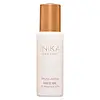 Key Ingredients
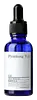
No key ingredients
Benefits
Concerns
Ingredients Side-by-side
Carthamus Tinctorius Seed Oil
Masking



Camellia Oleifera Seed Oil
Skin Conditioning
Persea Gratissima Oil
Skin Conditioning

Punica Granatum Seed Oil
Emollient
Oenothera Biennis Oil
Emollient

Simmondsia Chinensis Seed Oil
Emollient
Argania Spinosa Kernel Oil
Emollient

Rosa Canina Fruit Oil
Emollient
Citrus Aurantium Dulcis Peel Oil
Masking
Pelargonium Graveolens Leaf Oil
Lavandula Angustifolia Oil
Masking


Pogostemon Cablin Leaf Oil
Masking
Eugenia Caryophyllus Bud Oil
Masking
Vetiveria Zizanoides Root Oil
Masking
Cinnamomum Cassia Bark
Skin ConditioningCananga Odorata Flower Oil
Masking
Tocopherol
Antioxidant



Glycine Soja Oil
Emollient
Limonene
Perfuming
Geraniol
Perfuming
Eugenol
Perfuming
Citronellol
Perfuming
Linalool
Perfuming
Cinnamal
Perfuming
Carthamus Tinctorius Seed Oil, Camellia Oleifera Seed Oil, Persea Gratissima Oil, Punica Granatum Seed Oil, Oenothera Biennis Oil, Simmondsia Chinensis Seed Oil, Argania Spinosa Kernel Oil, Rosa Canina Fruit Oil, Citrus Aurantium Dulcis Peel Oil, Pelargonium Graveolens Leaf Oil, Lavandula Angustifolia Oil, Pogostemon Cablin Leaf Oil, Eugenia Caryophyllus Bud Oil, Vetiveria Zizanoides Root Oil, Cinnamomum Cassia Bark, Cananga Odorata Flower Oil, Tocopherol, Glycine Soja Oil, Limonene, Geraniol, Eugenol, Citronellol, Linalool, Cinnamal
Ingredients Explained
These ingredients are found in both products.
Ingredients higher up in an ingredient list are typically present in a larger amount.
Lavandula Angustifolia Oil is more commonly known as lavender essential oil. It is considered a fragrancing ingredient.
Lavender imparts a famous scent. While the smell is lovely, this ingredient and may sensitize skin in topical products. This is because about 85% of the oil is made up of linalool and linalyl acetate.
When exposed to air, these two compounds become strong allergens. This ingredient exhibits cytotoxicity at low concentrations; amounts of 0.25% have been shown to damage skin cells.
A study from Japan found this ingredient caused lavender sensitivity after widespread exposure.
Lavender essential oil has some antimicrobial, antibacterial, and anti-inflammatory properties. However, the cons of this ingredient may outweight the pros.
More research is needed to confirm lavender essential oil's effects when used in aromatherapy.
Lavandula Angustifolia is known as the English Lavender and famous for creating purple fields in Provence, France.
Learn more about Lavandula Angustifolia OilJojoba oil is one of the most well-studied plant-derived ingredients in cosmetics. It is an emollient with a special structure.
Because it is made up of 97-98% wax esters, it closely mirrors the linear monoesters found in human sebum. This makes it skin compatible, non-greasy, and lightweight.
Unlike other plant oils, jojoba wax doesn't easily penetrate skin. It mostly works in the uppermost layers as an emollient. This just means it forms a light barrier on the skin to help retain moisture.
Formulations with jojoba esters up to 90% reduced transepidermal water loss (TEWL) and increased barrier recovery by 81% (outperforming bisabolol at 47%).
Besides barrier support, the science also suggests jojoba to have anti-inflammatory effects and potential applications for skin infections, aging, and wound healing.
Fun fact: Indigenous cultures have used jojoba as a moisturizer and to help treat burns for centuries.
Fungal acne: The Malassezia yeast is known to metabolize fatty acids in the C11-24 range and jojoba's dominant fatty acid components fall into this range. This ingredient may not be fungal acne safe.
Learn more about Simmondsia Chinensis Seed Oil

