
What's inside
What's inside
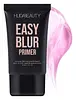 Key Ingredients
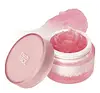
Benefits
Concerns
No concerns
Ingredients Side-by-side
Water
Skin ConditioningGlycerin
Humectant


Sodium Acrylates Crosspolymer-2
AbsorbentButylene Glycol
Humectant
Dipropylene Glycol
Humectant1,2-Hexanediol
Skin Conditioning
C12-14 Pareth-12
EmulsifyingAmmonium Acryloyldimethyltaurate/Vp Copolymer
Carbomer
Emulsion StabilisingCaprylyl Glycol
Emollient
Arginine
Masking
Ethylhexylglycerin
Skin ConditioningHydroxypropyl Methylcellulose Stearoxy Ether
Silybum Marianum Extract
Skin Conditioning
Tocopherol
Antioxidant




CI 17200
Cosmetic ColorantWater, Glycerin, Sodium Acrylates Crosspolymer-2, Butylene Glycol, Dipropylene Glycol, 1,2-Hexanediol, C12-14 Pareth-12, Ammonium Acryloyldimethyltaurate/Vp Copolymer, Carbomer, Caprylyl Glycol, Arginine, Ethylhexylglycerin, Hydroxypropyl Methylcellulose Stearoxy Ether, Silybum Marianum Extract, Tocopherol, CI 17200
Water
Skin ConditioningSodium Acrylates Crosspolymer-2
AbsorbentGlycerin
Humectant
Butylene Glycol
Humectant
Dipropylene Glycol
Humectant1,2-Hexanediol
Skin Conditioning
PEG-40 Hydrogenated Castor Oil
Emulsifying


Caprylyl Glycol
Emollient
Carbomer
Emulsion StabilisingTromethamine
BufferingEthylhexylglycerin
Skin ConditioningTheobroma Cacao Extract
Skin ConditioningSodium Hyaluronate
Humectant
Prunus Serrulata Flower Extract
Skin ConditioningCaprylic/Capric Triglyceride
Masking
Paeonia Albiflora Flower Extract
TonicDextrin
AbsorbentAlaria Esculenta Extract
Skin Protecting

Pseudanabaena Galeata Extract
Skin ConditioningCI 17200
Cosmetic ColorantParfum
Masking


Citronellol
Perfuming
Hexyl Cinnamal
Perfuming
Linalool
Perfuming
Geraniol
Perfuming
Water, Sodium Acrylates Crosspolymer-2, Glycerin, Butylene Glycol, Dipropylene Glycol, 1,2-Hexanediol, PEG-40 Hydrogenated Castor Oil, Caprylyl Glycol, Carbomer, Tromethamine, Ethylhexylglycerin, Theobroma Cacao Extract, Sodium Hyaluronate, Prunus Serrulata Flower Extract, Caprylic/Capric Triglyceride, Paeonia Albiflora Flower Extract, Dextrin, Alaria Esculenta Extract, Pseudanabaena Galeata Extract, CI 17200, Parfum, Citronellol, Hexyl Cinnamal, Linalool, Geraniol
Reviews
Ingredients Explained
These ingredients are found in both products.
Ingredients higher up in an ingredient list are typically present in a larger amount.
1,2-Hexanediol is a synthetic liquid and another multi-functional powerhouse.
It is a:
- Humectant, drawing moisture into the skin
- Emollient, helping to soften skin
- Solvent, dispersing and stabilizing formulas
- Preservative booster, enhancing the antimicrobial activity of other preservatives
Butylene Glycol (or BG) is used within cosmetic products for a few different reasons:
Overall, Butylene Glycol is a safe and well-rounded ingredient that works well with other ingredients.
Though this ingredient works well with most skin types, some people with sensitive skin may experience a reaction such as allergic rashes, closed comedones, or itchiness.
Learn more about Butylene GlycolCaprylyl Glycol is a humectant, skin conditioner, emollient, and preservative booster derived from either caprylic acid or synthetically created.
Typical use levels vary from 0.3-1% as a preservative booster and go up to 2% to condition skin.
Because it is not a free-fatty acid, this ingredient is fungal acne safe (there's nothing for Malassezia to feed on).
Learn more about Caprylyl GlycolCarbomer is a synthetic thickening and gelling agent. It's basically the ingredient that gives a lot of serums, gels, creams, and sunscreens their smooth, non-sticky texture.
Although legally permitted at very high levels, carbomers are normally used at concentrations below 1%.
It also needs to be neutralized to actually thicken, and because it is a large molecule, it doesn't really penetrate the skin barrier.
Allergy-wise, the risk is very low. Clinical studies show carbomers have low potential for skin irritation/sensitization even at concentrations up to 100%.
A 2024 UK study patch-tested 1,302 patients and found true allergy to the parent group of carbomer to be rare with no confirmed relevant reactions.
Learn more about CarbomerCI 17200 is a synthetic, water-soluble, reddish-pink dye. It is used purely as a cosmetic colorant.
In the US, the FDA permits this ingredient in cosmetics but it is not approved for use around the eyes while the EU allows this to be used in all cosmetic products.
The FDA requires batch-to-batch certification for this ingredient that is held to a pretty rigorous standard. That means the CI 17200 in your cosmetics has been tested and approved before it ever reaches you.
Contact allergy to cosmetic-grade dyes used at low concentrations are uncommon but has been documented before.
This ingredient also goes by the name D&C RED NO. 33.
CI 17200 has a comedogenic rating of 1 and an irritancy rating of 2 on a scale of 0-5. This is based on peer-reviewed research from the man who invented the comedogenic scale.
A 1 on the comedogenic scale is about as low as it gets without being a flat zero, and makes sense for CI 17200.
It's a water-soluble dye used at very small concentrations (typically 0.001-0.1%), so it dissolves into the water phase of a formula rather than sitting on your skin the way an oil or wax would.
The irritancy rating of 2 reflects that, like most synthetic dyes, there's a small possibility of mild irritation ( particularly for people with existing dye sensitivities).
For the vast majority of people, it's a non-issue at typical use levels.
It's also worth keeping in mind that comedogenic and irritancy ratings are tested on individual ingredients, not finished formulas. The final product's formulation, concentration, and other ingredients all play a role in how something actually behaves on your skin.
Just so you know, the FDA ban on Red Dye No. 3 refers to CI 45430, not this ingredient. CI 45430 and CI 17200 are different chemical compounds with distinct safety and regulatory histories.
It's also worth noting that Red No. 3 (CI 45430) was already banned from cosmetics back in 1990, so the 2025 action just extended the ban to food and oral drugs. CI 17200 was never part of any of this.
Learn more about CI 17200Dipropylene Glycol is a synthetically created humectant, stabilizer, and solvent.
This ingredient helps:
Dipropylene glycol is technically an alcohol, but it belongs to the glycol family (often considered part of the ‘good’ alcohols). This means it is hydrating and gentle on skin unlike drying solvent alcohols like denatured alcohol.
As a masking agent, Dipropylene Glycol can be used to cover the smell of other ingredients. However, it does not have a scent.
Studies show Dipropylene Glycol is considered safe to use in skincare.
Learn more about Dipropylene GlycolEthylhexylglycerin is created from glycerin. It is a multitasker ingredient that:
The CIR Expert Panel found minimal skin absorption or sensitization of any kind in a safety assessment. Though this ingredient is considered well-tolerated, a small number of cases of allergic dermatitis have been published since 2002. Just be sure to patch test if you are unsure.
Industry-reported use ranges from 8% in rinse-off products and 2% in leave-on formulations.
Learn more about EthylhexylglycerinGlycerin (or glycerol) is a compound naturally found in your skin. It's a powerhouse humectant that pulls water into the stratum corneum.
Topically, glycerin does several things at once:
Your skin makes glycerin on its own (mostly from sebaceous oil breakdown) and shuttles it to your outermost layer of skin, or your epidermis, via aquaporin-3.
Aquaporin-3 is a transporter that is essential for normal skin hydration, elasticity, and repair. Interestingly, mice lacking in AQP3 have dry and less elastic skin that can be fully corrected with glycerin.
This ingredient is non-irritating, plays well with almost every ingredient, and works across all skin types. Typical use is anywhere between 3-10% but can go up to 79% in some leave-on products.
Just know very high concentrations (>40%) can feel tacky in low humidity.
Glycerin is the name for this ingredient in American English. British English uses Glycerol/Glycerine.
Learn more about GlycerinWe don't have a description for Sodium Acrylates Crosspolymer-2 yet.
Water. It's the most common cosmetic ingredient of all. You'll usually see it at the top of ingredient lists, meaning that it makes up the largest part of the product.
So why is it so popular? Water most often acts as a solvent - this means that it helps dissolve other ingredients into the formulation.
You'll also recognize water as that liquid we all need to stay alive. If you see this, drink a glass of water. Remember to stay hydrated!
Learn more about Water

