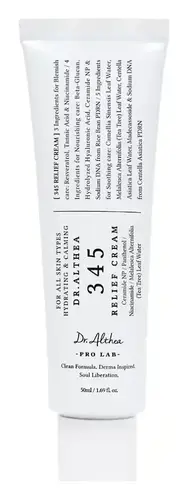
This anti-aging moisturizer is formulated around Niacinamide to soften the look of wrinkles.


What's inside
What's inside
 Key Ingredients
No key ingredients
Benefits
Concerns
No concerns
Ingredients Side-by-side
Water
Skin ConditioningPropanediol
Solvent

Dipropylene Glycol
Humectant
Butylene Glycol
Humectant
Methylpropanediol
SolventDiethoxyethyl Succinate
SolventEthoxydiglycol
HumectantAmmonium Acryloyldimethyltaurate/Beheneth-25 Methacrylate Crosspolymer
Emulsion StabilisingNiacinamide
Smoothing










Trehalose
Humectant
1,2-Hexanediol
Skin Conditioning
Chlorella Vulgaris Extract
Skin ConditioningCollagen
Moisturising
Hydrolyzed Collagen
Emollient
Cynanchum Atratum Extract
Skin ConditioningAlthaea Rosea Flower Extract
Skin ConditioningSoluble Collagen
Humectant
Allium Sativum Bulb Extract
Skin ConditioningAvena Sativa Kernel Extract
Abrasive

Bertholletia Excelsa Seed Extract
Skin ConditioningBrassica Oleracea Italica Extract
AstringentCamellia Sinensis Seed Extract
Humectant
Salmon Egg Extract
Solanum Lycopersicum Fruit Extract
Antioxidant
Spinacia Oleracea Leaf Extract
Skin ConditioningVaccinium Angustifolium Fruit Extract
Skin Protecting
Wine Extract
Antioxidant
Polyglyceryl-10 Isostearate
Skin Conditioning

Tromethamine
BufferingGlucose
Humectant
Polyglyceryl-10 Oleate
Skin Conditioning
Ethylhexylglycerin
Skin Conditioning
Fructooligosaccharides
Humectant
Fructose
Humectant
Adenosine
Skin Conditioning
Sodium Phytate
Cyanocobalamin
Skin ConditioningTocopherol
Antioxidant
Pullulan
Glycerin
Humectant
Hydroxypropyltrimonium Hyaluronate
Squalane
Emollient
Soluble Proteoglycan
Skin ConditioningHydrolyzed Elastin
EmollientSodium DNA
Skin Conditioning
Carbomer
Emulsion StabilisingXanthan Gum
EmulsifyingParfum
Masking

Water, Propanediol, Dipropylene Glycol, Butylene Glycol, Methylpropanediol, Diethoxyethyl Succinate, Ethoxydiglycol, Ammonium Acryloyldimethyltaurate/Beheneth-25 Methacrylate Crosspolymer, Niacinamide, Trehalose, 1,2-Hexanediol, Chlorella Vulgaris Extract, Collagen, Hydrolyzed Collagen, Cynanchum Atratum Extract, Althaea Rosea Flower Extract, Soluble Collagen, Allium Sativum Bulb Extract, Avena Sativa Kernel Extract, Bertholletia Excelsa Seed Extract, Brassica Oleracea Italica Extract, Camellia Sinensis Seed Extract, Salmon Egg Extract, Solanum Lycopersicum Fruit Extract, Spinacia Oleracea Leaf Extract, Vaccinium Angustifolium Fruit Extract, Wine Extract, Polyglyceryl-10 Isostearate, Tromethamine, Glucose, Polyglyceryl-10 Oleate, Ethylhexylglycerin, Fructooligosaccharides, Fructose, Adenosine, Sodium Phytate, Cyanocobalamin, Tocopherol, Pullulan, Glycerin, Hydroxypropyltrimonium Hyaluronate, Squalane, Soluble Proteoglycan, Hydrolyzed Elastin, Sodium DNA, Carbomer, Xanthan Gum, Parfum
Reviews
Ingredients Explained
These ingredients are found in both products.
Ingredients higher up in an ingredient list are typically present in a larger amount.
Hydrolyzed Collagen is Collagen (usually sourced from fish, bovine, or porcine byproducts) that's been broken down into smaller peptides. This makes it water-soluble and easy to blend into formulations.
In a formula, it works mainly as a skin-conditioning and moisturizing agent.
The small peptides and amino acids (including Natural Moisturizing Factor components like Hydroxyproline, Serine, and Aspartic Acid) help the surface of the skin hold onto water, feel softer, and look temporarily plumper.
This ingredient also has mild film-forming and antioxidant properties with research showing the antioxidant effect is stronger the lower the molecular weight of the peptides.
It's worth being realistic here:
Topically applied Hydrolyzed Collagen conditions the upper layers of skin rather than rebuilding the structural collagen deep in your dermis (the wrinkle-and-firmness benefits people associate with Collagen mostly come from oral supplements in studies, not topicals).
However, recent lab and skin-model work on Hydrolyzed Fish Collagen has shown promising effects on cell viability and wound healing when used as an active.
Typical concentrations range from 0.2-2%, but the percentage can go much higher in rinse-off or hair products (sometimes even above 50%).
Clinical studies on this ingredient showed no irritation, sensitization, or phototoxicity.
If you are looking for vegan collagen, it usually goes by a different INCI name like hydrolyzed soy protein. Vegan collagen is derived from yeast, bacteria, or plant sources.
The results are varied.
A study from 2021 found hydrolyzed collagen increased elasticity and improved wrinkles in 1,125 participants between age 20 and 70. Another study found increased skin thickness in participants between the ages of 45 to 59.
However, It is difficult to prove that oral collagen will end up working on your skin. Many of the studies using hydrolyzed collagen also add several vitamins and nutrients into the test mixture as well.
Further studies are needed at this time.
Learn more about Hydrolyzed CollagenWe don't have a description for Hydrolyzed Elastin yet.
Water. It's the most common cosmetic ingredient of all. You'll usually see it at the top of ingredient lists, meaning that it makes up the largest part of the product.
So why is it so popular? Water most often acts as a solvent - this means that it helps dissolve other ingredients into the formulation.
You'll also recognize water as that liquid we all need to stay alive. If you see this, drink a glass of water. Remember to stay hydrated!
Learn more about WaterXanthan gum is used as a stabilizer and thickener within cosmetic products. It helps give products a sticky, thick feeling - preventing them from being too runny.
On the technical side of things, xanthan gum is a polysaccharide - a combination consisting of multiple sugar molecules bonded together.
Xanthan gum is a pretty common and great ingredient. It is a natural, non-toxic, non-irritating ingredient that is also commonly used in food products.
Learn more about Xanthan Gum