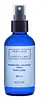
Head & Shoulders Classic Clean Dandruff Shampoo Versus Province Apothecary Invigorating + Balancing Toner
This smoothing toner is formulated around Rosa Damascena Flower Water and Gluconolactone to refine skin texture and calm redness.


What's inside
What's inside
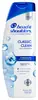 Key Ingredients
Benefits
Concerns
Ingredients Side-by-side
Zinc Pyrithione 1%
Antiseborrhoeic
Water
Skin ConditioningSodium Lauryl Sulfate
Cleansing




Sodium Laureth Sulfate
Cleansing
Cocamidopropyl Betaine
Cleansing
Sodium Xylenesulfonate
Zinc Carbonate
Parfum
Masking

Sodium Chloride
MaskingDimethicone
Emollient

Guar Hydroxypropyltrimonium Chloride
Skin ConditioningPiroctone Olamine
Preservative
Glycerin
Humectant

Trihydroxystearin
Skin Conditioning
Butylene Glycol
Humectant
Magnesium Carbonate Hydroxide
BufferingPolyquaternium-76
Pentylene Glycol
Skin Conditioning
Secale Cereale Callus Extract
Skin ConditioningNiacinamide
Smoothing









CI 42090
Cosmetic ColorantCI 17200
Cosmetic ColorantZinc Pyrithione 1%, Water, Sodium Lauryl Sulfate, Sodium Laureth Sulfate, Cocamidopropyl Betaine, Sodium Xylenesulfonate, Zinc Carbonate, Parfum, Sodium Chloride, Dimethicone, Guar Hydroxypropyltrimonium Chloride, Piroctone Olamine, Glycerin, Trihydroxystearin, Butylene Glycol, Magnesium Carbonate Hydroxide, Polyquaternium-76, Pentylene Glycol, Secale Cereale Callus Extract, Niacinamide, CI 42090, CI 17200
Water
Skin ConditioningRosa Damascena Flower Water
Masking
Lavandula Angustifolia Flower Water
Skin Conditioning
Gluconolactone
Chelating
Sodium Benzoate
Masking
Calcium Gluconate
HumectantDisodium Cupric Citrate
StabilisingSorbitan Oleate Decylglucoside Crosspolymer
CleansingHelianthus Annuus Seed Oil
Emollient
Rosmarinus Officinalis Extract
AntimicrobialPelargonium Graveolens Oil
Masking

Salvia Sclarea Oil
Masking
Pogostemon Cablin Leaf Oil
Masking
Boswellia Serrata Oil
Masking
Water, Rosa Damascena Flower Water, Lavandula Angustifolia Flower Water, Gluconolactone, Sodium Benzoate, Calcium Gluconate, Disodium Cupric Citrate, Sorbitan Oleate Decylglucoside Crosspolymer, Helianthus Annuus Seed Oil, Rosmarinus Officinalis Extract, Pelargonium Graveolens Oil, Salvia Sclarea Oil, Pogostemon Cablin Leaf Oil, Boswellia Serrata Oil
Reviews
Ingredients Explained
These ingredients are found in both products.
Ingredients higher up in an ingredient list are typically present in a larger amount.
Water. It's the most common cosmetic ingredient of all. You'll usually see it at the top of ingredient lists, meaning that it makes up the largest part of the product.
So why is it so popular? Water most often acts as a solvent - this means that it helps dissolve other ingredients into the formulation.
You'll also recognize water as that liquid we all need to stay alive. If you see this, drink a glass of water. Remember to stay hydrated!
Learn more about Water

