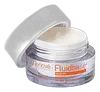
This anti-aging moisturizer is formulated around Ascorbyl Glucoside and Retinyl Palmitate to soften the look of wrinkles and brighten dull-looking skin.


What's inside
What's inside
 Key Ingredients
Benefits
Concerns
Ingredients Side-by-side
Water
Skin ConditioningPEG-6 Stearate
Emulsifying

Cetyl Palmitate
Emollient
Coco-Caprylate/Caprate
Emollient
Ceteareth-20
Cleansing

Octyldodecyl Myristate
EmollientCyclodextrin
AbsorbentGlyceryl Stearate
Emollient
Steareth-20
CleansingAscorbyl Glucoside
Antioxidant




Retinyl Palmitate
Skin Conditioning

Sodium Hyaluronate
Humectant



Polyacrylamide
C13-14 Isoparaffin
Emollient
Laureth-7
EmulsifyingSodium Benzoate
Masking
Potassium Sorbate
Preservative
Glycereth-26
Humectant
Disodium EDTA
ChelatingDimethicone
Emollient
Xanthan Gum
EmulsifyingTriethanolamine
BufferingParfum
Masking


Water, PEG-6 Stearate, Cetyl Palmitate, Coco-Caprylate/Caprate, Ceteareth-20, Octyldodecyl Myristate, Cyclodextrin, Glyceryl Stearate, Steareth-20, Ascorbyl Glucoside, Retinyl Palmitate, Sodium Hyaluronate, Polyacrylamide, C13-14 Isoparaffin, Laureth-7, Sodium Benzoate, Potassium Sorbate, Glycereth-26, Disodium EDTA, Dimethicone, Xanthan Gum, Triethanolamine, Parfum







Reviews
Alternatives
Ingredients Explained
These ingredients are found in both products.
Ingredients higher up in an ingredient list are typically present in a larger amount.
Triethanolamine (TEA) is an emulsifier and pH adjuster. It is created using ethylene oxide and ammonia. This gives Triethanolamine a nitrogen core and a similar scent to ammonia.
As an emulsifier, it prevents ingredients from separating and enhances texture by adding volume to a product.
PH adjusters are common in cosmetic products. The pH of a product can affect the effectiveness of other ingredients. A product with a high pH may also irritate the skin.
If you are looking for the tea leaf ingredient, click here.
Learn more about Triethanolamine

