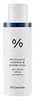
This mild powder cleanser is mild enough to cleanse without leaving skin feeling tight or stripped.
This mild powder cleanser is mild enough to cleanse without leaving skin feeling tight or stripped.


What's inside
What's inside
 Key Ingredients
Benefits
Concerns
No concerns
Ingredients Side-by-side
Maltose
MaskingZea Mays Starch
Absorbent
Sodium Cocoyl Glycinate
Cleansing
Sodium Lauroyl Glutamate
SurfactantSodium Myristoyl Glutamate
CleansingMicrocrystalline Cellulose
AbsorbentSilica
Abrasive

Allantoin
Skin Conditioning




Dipotassium Glycyrrhizate
Humectant
Limonene
Perfuming




Parfum
Masking
Citric Acid
Buffering

Water
Skin ConditioningButylene Glycol
Humectant
Protease
Exfoliating
Lactobacillus Ferment
Skin Conditioning
1,2-Hexanediol
Skin Conditioning
Amaranthus Caudatus Seed Extract
Skin Conditioning
Ulmus Davidiana Root Extract
Skin Conditioning
Caprylyl Glycol
Emollient
Bifida Ferment Filtrate
Skin Conditioning
Bifida Ferment Lysate
Skin Conditioning
Lactobacillus Ferment Lysate
Skin Conditioning
Lactococcus Ferment Lysate
Skin Conditioning
Saccharomyces Ferment Filtrate
Humectant
Tropolone
Skin ConditioningMaltose, Zea Mays Starch, Sodium Cocoyl Glycinate, Sodium Lauroyl Glutamate, Sodium Myristoyl Glutamate, Microcrystalline Cellulose, Silica, Allantoin, Dipotassium Glycyrrhizate, Limonene, Parfum, Citric Acid, Water, Butylene Glycol, Protease, Lactobacillus Ferment, 1,2-Hexanediol, Amaranthus Caudatus Seed Extract, Ulmus Davidiana Root Extract, Caprylyl Glycol, Bifida Ferment Filtrate, Bifida Ferment Lysate, Lactobacillus Ferment Lysate, Lactococcus Ferment Lysate, Saccharomyces Ferment Filtrate, Tropolone




Ingredients Explained
These ingredients are found in both products.
Ingredients higher up in an ingredient list are typically present in a larger amount.
Sodium Lauroyl Glutamate is an amino-acid based mild surfactant that is used in formulas as a primary or secondary cleansing agent. This means it helps lift away oil, dirt, and makeup.
You'll see this ingredient in facial cleansers, shampoos, and even toothpaste because it foams reasonably well while being much gentler than harsher surfactants like SLS.
A study comparing surfactant mixtures found that Sodium Lauroyl Glutamate caused visibly less disruption to skin lipid structure and less irritation than SLS when tested on human subjects; this correlated with the data from in vivo results as well.
The Tenside, Surfactants, Detergents cosmetics industry journal has also concluded that amino acid based surfactants are generally milder than their corresponding alkyl sulfate counterparts. They also stated glutamates in particular are considered one of the gentler options in the category.
The Cosmetic Ingredient Review (CIR) Expert Panel has reviewed dermal irritation and sensitization data for this ingredient at the highest reported use concentration and concluded it to be safe in present practices.
Typical use concentrations tend to run low (generally less than 10%) though the CIR's review noted the highest reported use concentration was 40% as a raw material blend (and not a diluted finished cosmetic product).
Learn more about Sodium Lauroyl GlutamateWater. It's the most common cosmetic ingredient of all. You'll usually see it at the top of ingredient lists, meaning that it makes up the largest part of the product.
So why is it so popular? Water most often acts as a solvent - this means that it helps dissolve other ingredients into the formulation.
You'll also recognize water as that liquid we all need to stay alive. If you see this, drink a glass of water. Remember to stay hydrated!
Learn more about Water

