
What's inside
What's inside
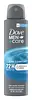 Key Ingredients
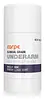
Benefits
Concerns
Ingredients Side-by-side
Aluminum Sesquichlorohydrate 15.2%
AstringentButane
Hydrofluorocarbon 152a
Cyclopentasiloxane
Emollient
Isobutane
PPG-14 Butyl Ether
Skin ConditioningGlycine
Buffering
Parfum
Masking




Helianthus Annuus Seed Oil
Emollient

Disteardimonium Hectorite
StabilisingC12-15 Alkyl Benzoate
AntimicrobialCalcium Chloride
AstringentPropane
BHT
Antioxidant
Octyldodecanol
Emollient
Propylene Carbonate
SolventDimethiconol
Emollient
Alpha-Isomethyl Ionone
Perfuming
Benzyl Alcohol
Perfuming

Citral
Perfuming
Citronellol
Perfuming
Coumarin
Perfuming
Hexyl Cinnamal
Perfuming
Limonene
Perfuming
Linalool
Perfuming
Aluminum Sesquichlorohydrate 15.2%, Butane, Hydrofluorocarbon 152a, Cyclopentasiloxane, Isobutane, PPG-14 Butyl Ether, Glycine, Parfum, Helianthus Annuus Seed Oil, Disteardimonium Hectorite, C12-15 Alkyl Benzoate, Calcium Chloride, Propane, BHT, Octyldodecanol, Propylene Carbonate, Dimethiconol, Alpha-Isomethyl Ionone, Benzyl Alcohol, Citral, Citronellol, Coumarin, Hexyl Cinnamal, Limonene, Linalool
Aluminum Zirconium Tetrachlorohydrex Gly 20%
AstringentCyclopentasiloxane
Emollient
Stearyl Alcohol
Emollient
PPG-14 Butyl Ether
Skin ConditioningDicaprylyl Carbonate
EmollientParfum
Masking
Hydrogenated Castor Oil
Emollient
Isopropyl Myristate
Emollient

Lauryl Methacrylate/Glycol Dimethacrylate Crosspolymer
PEG-8 Distearate
Emulsifying
Silica
Abrasive


Propylene Glycol
Humectant
Ethylhexylglycerin
Skin ConditioningMaranta Arundinacea Root Extract
SmoothingCoconut Alkanes
Emollient
Charcoal Powder
Abrasive
Alexidine Hydrochloride
Coco-Caprylate/Caprate
Emollient
Aluminum Zirconium Tetrachlorohydrex Gly 20%, Cyclopentasiloxane, Stearyl Alcohol, PPG-14 Butyl Ether, Dicaprylyl Carbonate, Parfum, Hydrogenated Castor Oil, Isopropyl Myristate, Lauryl Methacrylate/Glycol Dimethacrylate Crosspolymer, PEG-8 Distearate, Silica, Propylene Glycol, Ethylhexylglycerin, Maranta Arundinacea Root Extract, Coconut Alkanes, Charcoal Powder, Alexidine Hydrochloride, Coco-Caprylate/Caprate
Ingredients Explained
These ingredients are found in both products.
Ingredients higher up in an ingredient list are typically present in a larger amount.
Cyclopentasiloxane (D5) is a lightweight silicone that mostly acts as an emollient and solvent in cosmetics. Its the reason your products feel silky, fast-spreading, and non-greasy.
Since D5 is volatile, it does its thing and then evaporates off the skin quickly.
The safety profile of this ingredient is reassuring; the US CIR Expert Panel concluded D5 is safe as used in cosmetics and Health Canada concluded that D5 is not harmful to human health or the environment as currently used in cosmetics
There's a study that people mention about D5 in a rat study showing tumors. This study is related to long-term inhalation of high D5 levels.
Regulatory bodies have judged this study to be not applicable in topical skincare since skin absorption of D5 is very low and we're not really inhaling huge amounts of D5.
The only restriction for this ingredient is environmental. The European Chemicals Agency (ECHA) restricted D5 in wash-off cosmetics at or above 0.1% due to their persistence in water.
Learn more about CyclopentasiloxaneParfum is a catch-all term for an ingredient or more that is used to give a scent to products.
Also called "fragrance", this ingredient can be a blend of hundreds of chemicals or plant oils. This means every product with "fragrance" or "parfum" in the ingredients list is a different mixture.
For instance, Habanolide is a proprietary trade name for a specific aroma chemical. When used as a fragrance ingredient in cosmetics, most aroma chemicals fall under the broad labeling category of “FRAGRANCE” or “PARFUM” according to EU and US regulations.
The term 'parfum' or 'fragrance' is not regulated in many countries. In many cases, it is up to the brand to define this term.
For instance, many brands choose to label themselves as "fragrance-free" because they are not using synthetic fragrances. However, their products may still contain ingredients such as essential oils that are considered a fragrance by INCI standards.
One example is Calendula flower extract. Calendula is an essential oil that still imparts a scent or 'fragrance'.
Depending on the blend, the ingredients in the mixture can cause allergies and sensitivities on the skin. Some ingredients that are known EU allergens include linalool and citronellol.
Parfum can also be used to mask or cover an unpleasant scent.
The bottom line is: not all fragrances/parfum/ingredients are created equally. If you are worried about fragrances, we recommend taking a closer look at an ingredient. And of course, we always recommend speaking with a professional.
Learn more about ParfumWe don't have a description for PPG-14 Butyl Ether yet.


