
What's inside
What's inside
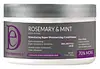 Key Ingredients
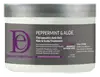
No key ingredients
Benefits
Concerns
Ingredients Side-by-side
Water
Skin ConditioningParaffinum Liquidum
Emollient


Polyquaternium-32
PPG-1 Trideceth-6
Skin ConditioningGlycerin
Humectant


Propylene Glycol
Humectant

Quaternium-80
Phenoxyethanol
Preservative
Benzoic Acid
Masking
Ethylhexylglycerin
Skin ConditioningGlycereth-2 Cocoate
Emulsifying

Parfum
Masking

Dimethicone
Emollient
Simmondsia Chinensis Seed Oil
Emollient
Menthol
Masking
Mentha Piperita Oil
Masking
PEG-12 Dimethicone
Skin Conditioning
Disodium EDTA
ChelatingRosmarinus Officinalis Leaf Oil
Masking
Silk Amino Acids
HumectantPanthenol
Skin Conditioning

Hydrolyzed Wheat Protein
Skin ConditioningAloe Barbadensis Leaf Juice
Skin Conditioning
Water, Paraffinum Liquidum, Polyquaternium-32, PPG-1 Trideceth-6, Glycerin, Propylene Glycol, Quaternium-80, Phenoxyethanol, Benzoic Acid, Ethylhexylglycerin, Glycereth-2 Cocoate, Parfum, Dimethicone, Simmondsia Chinensis Seed Oil, Menthol, Mentha Piperita Oil, PEG-12 Dimethicone, Disodium EDTA, Rosmarinus Officinalis Leaf Oil, Silk Amino Acids, Panthenol, Hydrolyzed Wheat Protein, Aloe Barbadensis Leaf Juice







Alternatives
Ingredients Explained
These ingredients are found in both products.
Ingredients higher up in an ingredient list are typically present in a larger amount.
This essential oil is steam-distilled from peppermint leaves, also known as peppermint oil. It's mainly used for scent in skincare but also provides that signature "cooling" sensation.
Peppermint oil is a "feels amazing" ingredient until it doesn't.
At higher doses or for those with sensitive skin, methol-type cooling can quickly turn into burning/irritation. It can also trigger irritant dermatitis or even allergic contact dermatitis. In a large patch-test dataset, peppermint oil had a low but positive rate for this.
In cosmetics, Cosmetic Safety Reviews (CIR) concludes that peppermint oil is safe to use when formulated to be non-sensitizing with some restrictions; for instance, pulegone, a naturally occurring component of peppermint oil, should not exceed 1%.
Since peppermint oil contains fragrance allergens such as limonene, linalool, and menthol, it can be sensitizing for those with rosacea, eczema, a broken skin barrier, or just sensitive skin in general.
In Japan, this ingredient is known as Hakka Yu.
Learn more about Mentha Piperita OilMenthol is a compound found in mint plants, such as peppermint. In its pure form, it is a clear crystalline substance.
Menthol is known for its cooling sensation; however, the cooling is actually from your skin being sensitized. Menthol can worsen rosacea. We recommend speaking with a professional if you have concerns.
Menthol also has antimicrobial properties.
Learn more about MentholParaffinum Liquidum is a highly-refined cosmetic-grade mineral oil. It is also known as liquid paraffin.
Despite its controversial reputation, the science is pretty clear: it's one of the most well-studied and effective moisturizing ingredients out there.
As an occlusive, it forms a protective layer on the skin that locks in moisture and prevents transepidermal water loss (TEWL). This makes it especially great for compromised skin barriers.
The "it clogs your pores" myth has been around for decades; a study found that industrial-grade mineral oil may be comedogenic but cosmetic-grade mineral oil is not (these two are very, very different).
A 2017 review concluded that cosmetic use of mineral oils and waxes does not present a risk to consumers due to absorption.
Mineral oil got a bad rap from the old rabbit ear studies. When tested on actual human skin, cosmetic-grade mineral oil showed no comedogenic activity. The rating of 0 is a correction of outdated science.
Mineral oil is an inert substance with no fatty acids so there's nothing to feed Malassezia. This ingredient is fungal acne safe.
Learn more about Paraffinum Liquidum

