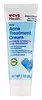
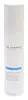
CVS Health Daily Acne Treatment Cream Versus Dr. Zenovia Skincare 10% Benzoyl Peroxide Acne Cleanser
This acne treatment is formulated around Benzoyl Peroxide and Bentonite to clear breakouts and balance excess oil.
This benzoyl peroxide cream cleanser is formulated around Benzoyl Peroxide to clear breakouts and help reduce acne-causing bacteria.

What's inside
What's inside
 Key Ingredients
Benefits
Concerns
Ingredients Side-by-side



Benzoyl Peroxide 10%






Aloe Barbadensis Leaf Extract
Emollient


Bakuchiol
Antimicrobial







Camellia Sinensis Polyphenols
Antioxidant
Carbomer
Emulsion StabilisingCucumis Sativus Fruit Extract
Emollient
Disodium EDTA
ChelatingParfum
Masking

Genistein
Skin ConditioningGlycerin
Humectant
Maltodextrin
Absorbent
Phenoxyethanol
Preservative
Punica Granatum Sterols
Skin Conditioning
Water
Skin ConditioningResveratrol
Antioxidant
Sodium Benzoate
Masking
Sodium C14-16 Olefin Sulfonate
Cleansing
Stearic Acid
Cleansing
Tocopheryl Acetate
Antioxidant
Benzoyl Peroxide 10%, Aloe Barbadensis Leaf Extract, Bakuchiol, Camellia Sinensis Polyphenols, Carbomer, Cucumis Sativus Fruit Extract, Disodium EDTA, Parfum, Genistein, Glycerin, Maltodextrin, Phenoxyethanol, Punica Granatum Sterols, Water, Resveratrol, Sodium Benzoate, Sodium C14-16 Olefin Sulfonate, Stearic Acid, Tocopheryl Acetate
Reviews
Ingredients Explained
These ingredients are found in both products.
Ingredients higher up in an ingredient list are typically present in a larger amount.
Benzoyl Peroxide (BPO) is one of the most studied and widely used acne-fighting ingredients on the market for over five decades.
It works by releasing oxygen into your pores to kill Cutibacterium acne, or the bacteria closely linked to acne breakouts. This bacteria has a hard time surviving in an oxygen-rich environment.
On top of that, BPO has keratolytic properties to help shed dead skin cells and keep pores from getting clogged.
One of the coolest things about BPO is that bacteria do not develop resistance to it the way they can with antibiotics. That's why dermatologists recommend pairing it with topical antibiotics to keep resistance at bay.
BPO is usually available in 2.5%, 5%, and 10% concentrations. Research has shown that 2.5% tends to be just as effective as the higher strengths while being more gentle on the skin.
The FDA has classified BPO as a safe and effective acne treatment. You'll be able to find this ingredient in over-the-counter products in many countries.
Just so you know, BPO is a known mild irritant. It's common to see dryness, peeling, and some redness when you first start using it. This usually goes away as your skin adjusts.
A very small number of people might develop allergic contact dermatitis from it as patch test studies show positive reactions in about 1-5% of patients.
Once BPO is absorbed into the skin, our bodies turn it into benzoic acid and quickly exits in urine. It's also worth noting that BPO will bleach fabrics and hair, so watch your towels and pillowcases!
Learn more about Benzoyl PeroxideCarbomer is a synthetic thickening and gelling agent. It's basically the ingredient that gives a lot of serums, gels, creams, and sunscreens their smooth, non-sticky texture.
Although legally permitted at very high levels, carbomers are normally used at concentrations below 1%.
It also needs to be neutralized to actually thicken, and because it is a large molecule, it doesn't really penetrate the skin barrier.
Allergy-wise, the risk is very low. Clinical studies show carbomers have low potential for skin irritation/sensitization even at concentrations up to 100%.
A 2024 UK study patch-tested 1,302 patients and found true allergy to the parent group of carbomer to be rare with no confirmed relevant reactions.
Learn more about CarbomerPhenoxyethanol is one of the most widely used preservatives in skincare (and for good reason!).
It has a large spectrum of antimicrobial activity and especially effective bacteria, yeast, and mold while only having a weak effect on your skin's natural microbiome.
On a cellular level, it disrupts the cell membranes of microbes by poking holes that make the cell leak. This shuts down the chemical reactions the microbe needs to make energy so it can no longer survive.
Another perk of this ingredient is that it stays functional across a wide pH range (3-10).
You'll often see it paired with boosters like Ethylhexylglycerin; one study showed that a 1:9 ratio of Ethylhexylglycerin to Phenoxyethanol damages bacterial membranes as effectively as doubling the Phenoxyethanol concentration on its own.
Typical use concentrations range from 0.3-1% depending on the formula, and this ingredient is capped at 1% int the EU.
Safety-wise, the fear mongering does not hold up to the evidence. The EU's Scientific Committee on Consumer Safety and FDA consider it safe as a preservative at up to 1%, including for children of all ages.
Adverse systemic effects only showed up in animal studies at exposures roughly 200x higher than what people get from cosmetics. And despite its very widespread use, this ingredient is a rare sensitizer and allergic reactions are uncommon.
Learn more about PhenoxyethanolWater. It's the most common cosmetic ingredient of all. You'll usually see it at the top of ingredient lists, meaning that it makes up the largest part of the product.
So why is it so popular? Water most often acts as a solvent - this means that it helps dissolve other ingredients into the formulation.
You'll also recognize water as that liquid we all need to stay alive. If you see this, drink a glass of water. Remember to stay hydrated!
Learn more about Water

