Curel Intensive Moisture Care Makeup Cleansing Milk Versus Cow Brand Mutenka Additive Free Cleansing Milk
This mild cream makeup remover is made to dissolve makeup, sunscreen, and daily buildup.
This mild cream cleanser is made to cleanse without leaving your skin tight or dry.

What's inside
What's inside
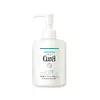 Key Ingredients
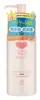
No key ingredients
Benefits
Concerns
Ingredients Side-by-side
Water
Skin ConditioningButylene Glycol
Humectant

Dipropylene Glycol
HumectantGlycerin
Humectant
Dimethicone
Emollient
Neopentyl Glycol Dicaprate
EmollientHydrogenated Polyisobutene
EmollientPolysorbate 60
Emulsifying

Cetyl-Pg Hydroxyethyl Palmitamide
Skin ConditioningSorbitan Stearate
Emulsifying
Cetyl Alcohol
Emollient

Cholesterol
Emollient
Sodium Methyl Stearoyl Taurate
CleansingMethylparaben
Preservative



Stearyl Alcohol
Emollient
Cholesteryl Isostearate
EmollientCarbomer
Emulsion StabilisingDipotassium Glycyrrhizate
Humectant

Arginine
Masking
Eucalyptus Globulus Leaf Extract
Perfuming
Tocopherol
Antioxidant




Water, Butylene Glycol, Dipropylene Glycol, Glycerin, Dimethicone, Neopentyl Glycol Dicaprate, Hydrogenated Polyisobutene, Polysorbate 60, Cetyl-Pg Hydroxyethyl Palmitamide, Sorbitan Stearate, Cetyl Alcohol, Cholesterol, Sodium Methyl Stearoyl Taurate, Methylparaben, Stearyl Alcohol, Cholesteryl Isostearate, Carbomer, Dipotassium Glycyrrhizate, Arginine, Eucalyptus Globulus Leaf Extract, Tocopherol
Reviews
Ingredients Explained
These ingredients are found in both products.
Ingredients higher up in an ingredient list are typically present in a larger amount.
Butylene Glycol (or BG) is used within cosmetic products for a few different reasons:
Overall, Butylene Glycol is a safe and well-rounded ingredient that works well with other ingredients.
Though this ingredient works well with most skin types, some people with sensitive skin may experience a reaction such as allergic rashes, closed comedones, or itchiness.
Learn more about Butylene GlycolCarbomer is a synthetic thickening and gelling agent. It's basically the ingredient that gives a lot of serums, gels, creams, and sunscreens their smooth, non-sticky texture.
Although legally permitted at very high levels, carbomers are normally used at concentrations below 1%.
It also needs to be neutralized to actually thicken, and because it is a large molecule, it doesn't really penetrate the skin barrier.
Allergy-wise, the risk is very low. Clinical studies show carbomers have low potential for skin irritation/sensitization even at concentrations up to 100%.
A 2024 UK study patch-tested 1,302 patients and found true allergy to the parent group of carbomer to be rare with no confirmed relevant reactions.
Learn more about CarbomerWater. It's the most common cosmetic ingredient of all. You'll usually see it at the top of ingredient lists, meaning that it makes up the largest part of the product.
So why is it so popular? Water most often acts as a solvent - this means that it helps dissolve other ingredients into the formulation.
You'll also recognize water as that liquid we all need to stay alive. If you see this, drink a glass of water. Remember to stay hydrated!
Learn more about Water

