Creamy Ácido Mandélico Versus Beyoung Clarify Tone
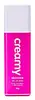
This brightening treatment is formulated around Mandelic Acid and Alpha-Arbutin to fade the look of dark spots and refine skin texture.
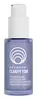
This brightening serum is formulated around Mandelic Acid and Niacinamide to fade the look of dark spots and refine skin texture.

What's inside
What's inside
 Key Ingredients
Benefits
Concerns
Ingredients Side-by-side
Water
Skin ConditioningMandelic Acid
Antimicrobial










Niacinamide
Smoothing



Glycerin
Humectant
Ethoxydiglycol
HumectantTranexamic Acid
Astringent
Propanediol
Solvent
Panthenol
Skin Conditioning
Alpha-Arbutin
Antioxidant

Boerhavia Diffusa Root Extract
Skin Protecting
Polyacrylate Crosspolymer-6
Emulsion StabilisingXanthan Gum
EmulsifyingEthylhexylglycerin
Skin ConditioningPhenoxyethanol
Preservative
Disodium EDTA
Triethanolamine
BufferingCitric Acid
Buffering
Parfum
Masking


Citronellol
Perfuming
Hexyl Cinnamal
Perfuming
Linalool
Perfuming
Water, Mandelic Acid, Niacinamide, Glycerin, Ethoxydiglycol, Tranexamic Acid, Propanediol, Panthenol, Alpha-Arbutin, Boerhavia Diffusa Root Extract, Polyacrylate Crosspolymer-6, Xanthan Gum, Ethylhexylglycerin, Phenoxyethanol, Disodium EDTA, Triethanolamine, Citric Acid, Parfum, Citronellol, Hexyl Cinnamal, Linalool
Ingredients Explained
These ingredients are found in both products.
Ingredients higher up in an ingredient list are typically present in a larger amount.
Alpha-Arbutin is a brightening active used to fade dark spots, melasma, and post-acne marks. Structurally, it is a hydroquinone with a sugar molecule attached (but is much gentler than raw hydroquinone).
It has a pretty elegant way of working; it slots into tyrosinase, or the key enzyme that your skin uses to make melanin), and competitively blocks it so your skin produces less pigment over time.
There are two forms of arbutin and alpha is the better one to reach for: it works at lower amounts, absorbs into skin more easily, and has a strong safety record.
The science backs this up too: lab and animal studies confirm it lowers melanin by blocking tyosinase and the more you use (up to a point), the more it works.
Human studies look good too.
A 2024 trial found a cream with 5% alpha-arbutin and 2% kojic acid worked about as well as a prescription melasma cream but with fewer side effects. Another study showed 2% alpha-arbutin paired with 10% Trihydroxybenzoic Acid Glucoside and sunscreen faded dark spots and melasma without causing irritation.
Concentration-wise, most serums land in the 1-2% range.
The EU's Scientific Committee on Consumer Safety concluded that alpha-arbutin is safe in face creams up to 2% and body lotions up to 0.5%.
Overall, this is a well-studied and low-irritation brightener that's a great pick for anyone dealing with uneven skin tone. It also pairs well with vitamin C, niacinamide, and sunscreen.
Learn more about Alpha-ArbutinDisodium EDTA is a chelating agent. It grabs onto and deactivates metal ions that sneak into your products from water, packaging, or air.
This ingredient mainly works behind the scenes and helps with:
On top of that, this ingredient can counteract the effects of hard water by binding to the minerals in it.
One thing worth knowing is that Disodium EDTA has been shown to be a mild penetration enhancer. It can help other ingredients absorb into skin more effectively which can be a double-edged sword (great for actives, but can also make the active too strong if you have sensitive skin).
Clinical patch testing showed no significant skin irritation at typical use concentrations and minimal dermal absorption.
You'll most likely see this ingredient near the end of an ingredient list. It's typically found in concentrations less than 1%.
Learn more about Disodium EDTAMandelic Acid is an alpha hydroxy acid (AHA).
Like other AHAs, it helps exfoliate the surface of the skin by breaking down the bonds that hold dead skin cells together. This helps reveal smoother and brighter skin underneath.
Mandelic acid helps with:
Due to it having a larger molecular size than glycolic acid, mandelic acid is able to penetrate the skin more slowly and evenly. This makes it gentler and less irritating, making it a great option for sensitive or beginner skin.
Despite being milder, mandelic acid is still an effective exfoliant that improves skin texture and tone over time.
What makes mandelic acid stand out from other AHAs? It has antibacterial and antioxidant properties.
These traits make it a great option for acne-prone or problem skin by reducing active breakouts and fading post-acne marks. Studies show that mandelic acid (especially when combined with salicylic acid) can significantly reduce pimples and hyperpigmentation while causing fewer side effects than stronger acids.
Mandelic acid is effective in concentrations of 5% and up with an ideal pH range of 3-4 for at-home use.
Like other AHAs, it’s important to wear sunscreen daily to protect your newly exfoliated skin.
However, unlike glycolic acid, mandelic acid is light-sensitive. Be sure your mandelic acid is packaged in opaque containers to ensure it stays stable and effective.
In short, mandelic acid is a gentle yet powerful AHA that exfoliates, brightens, and helps clarify skin while keeping irritation low. Its antibacterial action makes it especially beneficial for those with acne-prone, sensitive, or uneven skin, offering smoother, clearer, and more even-toned results over time.
Read more about some other popular AHA's here:
Learn more about Mandelic AcidWater. It's the most common cosmetic ingredient of all. You'll usually see it at the top of ingredient lists, meaning that it makes up the largest part of the product.
So why is it so popular? Water most often acts as a solvent - this means that it helps dissolve other ingredients into the formulation.
You'll also recognize water as that liquid we all need to stay alive. If you see this, drink a glass of water. Remember to stay hydrated!
Learn more about Water

