

What's inside
What's inside
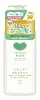 Key Ingredients
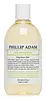
Benefits
Concerns
Ingredients Side-by-side
Water
Skin ConditioningSodium Methyl Cocoyl Taurate
Cleansing
Cocamidopropyl Betaine
Cleansing


Disodium Laureth Sulfosuccinate
CleansingLauramidopropylamine Oxide
CleansingCaprylyl Glycol
Emollient
Lauryl Hydroxysultaine
CleansingPPG-2 Cocamide
Surfactant
Cocamide Methyl Mea
Foam Boosting
Sodium Cocoyl Glutamate
Cleansing
Ceramide Ng
Skin Conditioning




Sodium Hyaluronate
Humectant

Glycine
Buffering
Sodium Dilauramidoglutamide Lysine
HumectantInulin
Skin Conditioning
Polyquaternium-10
Polyquaternium-7
Citric Acid
Buffering

Water, Sodium Methyl Cocoyl Taurate, Cocamidopropyl Betaine, Disodium Laureth Sulfosuccinate, Lauramidopropylamine Oxide, Caprylyl Glycol, Lauryl Hydroxysultaine, PPG-2 Cocamide, Cocamide Methyl Mea, Sodium Cocoyl Glutamate, Ceramide Ng, Sodium Hyaluronate, Glycine, Sodium Dilauramidoglutamide Lysine, Inulin, Polyquaternium-10, Polyquaternium-7, Citric Acid
Water
Skin ConditioningAmmonium Cocoyl Isethionate
Cleansing
Cocamidopropyl Betaine
Cleansing
Decyl Glucoside
Cleansing
Vinegar
Caprylhydroxamic Acid
ChelatingCaprylyl Glycol
Emollient
Glycerin
Humectant
Lactic Acid
Buffering



Hydrolyzed Pea Protein
EmollientChamomilla Recutita Flower Extract
Masking
Melissa Officinalis Leaf Extract
Skin ConditioningUrtica Dioica Extract
AstringentRosmarinus Officinalis Leaf Extract
AntimicrobialSalvia Officinalis Extract
Antimicrobial
Water, Ammonium Cocoyl Isethionate, Cocamidopropyl Betaine, Decyl Glucoside, Vinegar, Caprylhydroxamic Acid, Caprylyl Glycol, Glycerin, Lactic Acid, Hydrolyzed Pea Protein, Chamomilla Recutita Flower Extract, Melissa Officinalis Leaf Extract, Urtica Dioica Extract, Rosmarinus Officinalis Leaf Extract, Salvia Officinalis Extract
Reviews
Alternatives
Ingredients Explained
These ingredients are found in both products.
Ingredients higher up in an ingredient list are typically present in a larger amount.
Caprylyl Glycol is a humectant, skin conditioner, emollient, and preservative booster derived from either caprylic acid or synthetically created.
Typical use levels vary from 0.3-1% as a preservative booster and go up to 2% to condition skin.
Because it is not a free-fatty acid, this ingredient is fungal acne safe (there's nothing for Malassezia to feed on).
Learn more about Caprylyl GlycolCocamidopropyl Betaine is a fatty acid created by mixing similar compounds in coconut oil and dimethylaminopropylamine, a compound with two amino groups.
This ingredient is a surfactant and cleanser. It helps gather the dirt, pollutants, and other impurities in your skin to be washed away. It also helps thicken a product and make the texture more creamy.
Being created from coconut oil means Cocamidopropyl Betaine is hydrating for the skin.
While Cocamidopropyl Betaine was believed to be an allergen, a study from 2012 disproved this. It found two compounds in unpure Cocamidopropyl Betaine to be the irritants: aminoamide and 3-dimethylaminopropylamine. High-grade and pure Cocamidopropyl Betaine did not induce allergic reactions during this study.
Learn more about Cocamidopropyl BetaineWater. It's the most common cosmetic ingredient of all. You'll usually see it at the top of ingredient lists, meaning that it makes up the largest part of the product.
So why is it so popular? Water most often acts as a solvent - this means that it helps dissolve other ingredients into the formulation.
You'll also recognize water as that liquid we all need to stay alive. If you see this, drink a glass of water. Remember to stay hydrated!
Learn more about Water

