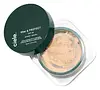
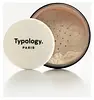
ciele. Filter & Protect SPF 30 Loose Finishing Powder Versus Typology Mattifying Loose Powder with 1% Zinc PCA


What's inside
What's inside
 Key Ingredients
Benefits
Concerns
No concerns
Ingredients Side-by-side
Titanium Dioxide 12.5%
Cosmetic Colorant

Zinc Oxide 22.5%
Cosmetic Colorant
Dimethicone/Vinyl Dimethicone Crosspolymer
Skin Conditioning
Mica
Cosmetic ColorantPolymethylsilsesquioxane
Calcium Sodium Borosilicate
Butyloctyl Salicylate
Skin Conditioning
Tridecyl Salicylate
Skin Conditioning
Niacinamide
Smoothing










Silica
Abrasive
Isodecyl Salicylate
Skin Conditioning
Octyldodecanol
Emollient
Dimethicone
Emollient
Isoceteth-10
EmulsifyingIron Oxides
Phenylpropanol
Masking

Propanediol
Solvent
Physalis Angulata Extract
Skin ProtectingCaprylic/Capric Triglyceride
Masking
Methicone
Emollient
Caprylyl Glycol
Emollient
Tocopherol
Antioxidant

Titanium Dioxide 12.5%, Zinc Oxide 22.5%, Dimethicone/Vinyl Dimethicone Crosspolymer, Mica, Polymethylsilsesquioxane, Calcium Sodium Borosilicate, Butyloctyl Salicylate, Tridecyl Salicylate, Niacinamide, Silica, Isodecyl Salicylate, Octyldodecanol, Dimethicone, Isoceteth-10, Iron Oxides, Phenylpropanol, Propanediol, Physalis Angulata Extract, Caprylic/Capric Triglyceride, Methicone, Caprylyl Glycol, Tocopherol
Mica
Cosmetic ColorantSilica
Abrasive
Lauroyl Lysine
Skin Conditioning
Zinc Stearate
Cosmetic ColorantMicrocrystalline Cellulose
AbsorbentC13-15 Alkane
SolventZinc PCA
Humectant
Sodium Hyaluronate
Humectant
Ethylhexylglycerin
Skin ConditioningCI 77492
Cosmetic ColorantSorbic Acid
Preservative
CI 77491
Cosmetic ColorantCI 77499
Cosmetic ColorantTocopherol
Antioxidant
Helianthus Annuus Seed Oil
Emollient


CI 19140
Cosmetic ColorantCI 77007
Cosmetic ColorantIngredients Explained
These ingredients are found in both products.
Ingredients higher up in an ingredient list are typically present in a larger amount.
Mica is a naturally occurring mineral used to add shimmer and color in cosmetics. It can also help improve the texture of a product or give it an opaque, white/silver color.
Serecite is the name for very fine but ragged grains of mica.
This ingredient is often coated with metal oxides like titanium dioxide. Trace amounts of heavy metals may be found in mica, but these metals are not harmful in our personal products.
Mica has been used since prehistoric times throughout the world. Ancient Egyptian, Indian, Greek, Roman, Aztec, and Chinese civilizations have used mica.
Learn more about MicaSilica, also known as silicon dioxide, is a naturally occurring mineral. It is used as a fine, spherical, and porous powder in cosmetics.
Though it has exfoliant properties, the function of silica varies depending on the product.
The unique structure of silica enhances the spreadability and adds smoothness, making it a great texture enhancer.
It is also used as an active carrier, emulsifier, and mattifier due to its ability to absorb excess oil.
In some products, tiny microneedles called spicules are made from silica or hydrolyzed sponge. When you rub them in, they lightly polish away dead skin layers and enhance the penetration of active ingredients.
Learn more about SilicaTocopherol is a fat-soluble antioxidant known as Vitamin E.
You'll find this ingredient in the vast majority of skincare (for good reason). It works to neutralize free radicals, or unstable molecules generated by UV exposure, pollution, and other environmental stressors, before they can cause oxidative damage to your skin cells.
Topically applied tocopherol has been shown to protect against UV damage by ramping up the skin's own natural defense enzymes.
It also acts as a skin conditioning agent; some studies show that regular topical use can improve the skin's water-binding capacity over 2-4 weeks.
This ingredient is especially loved for being a team player. When combined with Vitamin C, the photoprotective effect of both ingredients roughly doubles and the combo also helps reduce UV-induced DNA damage.
This ingredient has some brightening potential but it's more of a prevention ingredient than spot-fader. Cell studies show it can slow down melanin production but it's worth noting that it's not the most powerful brightener out there.
In formulations, it also serves as a stabilizer that helps protect other oxidation-prone ingredients from degrading.
Concentrations usually range from 0.1-1% in most leave-on products.
Learn more about Tocopherol

