
What's inside
What's inside
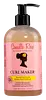 Key Ingredients
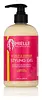
No key ingredients
Benefits
Concerns
Ingredients Side-by-side
Water
Skin ConditioningPectin
Emulsion StabilisingCocos Nucifera Oil
Masking








Aloe Barbadensis Leaf Juice
Skin Conditioning

Panthenol
Skin Conditioning

Ricinus Communis Seed Oil
Masking
Althaea Officinalis Leaf/Root Extract
EmollientAgave Americana Leaf Extract
Skin ConditioningEquisetum Arvense Extract
AstringentUrtica Dioica Leaf Extract
Skin ConditioningHydrolyzed Corn Starch
HumectantXanthan Gum
EmulsifyingChondrus Crispus Powder
Abrasive
Polysorbate 20
Emulsifying
Tocopheryl Acetate
Antioxidant


Cyanocobalamin
Skin ConditioningPhenoxyethanol
Preservative
Caprylyl Glycol
Emollient
Water, Pectin, Cocos Nucifera Oil, Aloe Barbadensis Leaf Juice, Panthenol, Ricinus Communis Seed Oil, Althaea Officinalis Leaf/Root Extract, Agave Americana Leaf Extract, Equisetum Arvense Extract, Urtica Dioica Leaf Extract, Hydrolyzed Corn Starch, Xanthan Gum, Chondrus Crispus Powder, Polysorbate 20, Tocopheryl Acetate, Cyanocobalamin, Phenoxyethanol, Caprylyl Glycol
Water
Skin ConditioningGlycerin
Humectant
Honey
Humectant
Aloe Barbadensis Leaf Juice
Skin Conditioning
Acrylates Copolymer
Cocos Nucifera Oil
Masking
Orbignya Oleifera Seed Oil
Emollient
Butyrospermum Parkii Butter
Skin Conditioning
Maltodextrin/Vp Copolymer
Althaea Officinalis Root Extract
Skin Conditioning
Pectin
Emulsion StabilisingParfum
Masking

Zingiber Officinale Root Oil
Masking
Carbomer
Emulsion StabilisingXanthan Gum
EmulsifyingDehydroacetic Acid
Preservative
Benzyl Alcohol
Perfuming

Water, Glycerin, Honey, Aloe Barbadensis Leaf Juice, Acrylates Copolymer, Cocos Nucifera Oil, Orbignya Oleifera Seed Oil, Butyrospermum Parkii Butter, Maltodextrin/Vp Copolymer, Althaea Officinalis Root Extract, Pectin, Parfum, Zingiber Officinale Root Oil, Carbomer, Xanthan Gum, Dehydroacetic Acid, Benzyl Alcohol
Reviews
Ingredients Explained
These ingredients are found in both products.
Ingredients higher up in an ingredient list are typically present in a larger amount.
Aloe Barbadensis Leaf Juice is the filtered, stabilized liquid pressed from the inner gel of the aloe vera leaf.
In cosmetics, it shows up as either soothing active or a water-replacement base. It is roughly 98-99% water and the last 1-2% is an interesting mix of polysaccharides, amino acids, vitamins, minerals, and enzymes.
The polysaccharides do most of the work: they bind water at the skin surface for a light, non-greasy hydration boost. And one of the polysaccharides, glycomannan, is linked to fibroblast stimulation + collagen synthesis. This is also why aloe has such a long track record in wound and burn healing.
This ingredient is also calming with anti-inflammatory and mild antimicrobial activity, making it a great pick for sensitive, irritated, or post-sun skin.
Realistic expectations matter though; the solid evidence is mostly limited to hydration, soothing, and wound support. Deeper claims about anti-aging or sun protection are not well backed, and science reviews note it does not prevent radiation-induced skin injury.
Because it plays well with almost everything, it's commonly used as a base alongside other actives like niacinamide or vitamin C.
Typical usage concentrations range from 0.5% (where hydration benefits already show up) all the way to 90%+ (where it replaces water as the main base).
The safety for this ingredient is well-establish as well. Overall, this is a great supporting ingredient for those who want a boost in hydration.
Learn more about Aloe Barbadensis Leaf JuiceThis ingredient is also known as coconut oil. It is a plant-derived ingredient with skin conditioning properties.
The fatty acid profile of coconut oil is mostly lauric acid (~54%), followed by capric, caprylic, palmitic, and myristic acids. This profile allows it to penetrate easily into skin, moisturize, and improve dry skin.
A double-blind study confirmed that extra virgin coconut oil is as effective as mineral oil for treating very dry skin. Another study found it outperformed mineral oil for mild to moderate atopic dermatitis in children.
Another study from 2018 found that virgin coconut oil can soothe inflammation and boost key skin barrier proteins. Just know this evidence is still only from lab settings and not human trials.
It has also been shown to reduce Staphylococcus aureus, a bacteria that commonly overgrows in people with eczema.
Clinical testing shows very minimal skin irritation and no evidence of sensitization or phototoxicity.
Coconut oil gets flagged as a "fragrance" because it has a natural mild scent (not because it's a synthetic perfume). The European Cosmetic ingredient database also lists "perfuming" as a function of this ingredient.
Just so you know, the term "fragrance" is completely unregulated. Some brands still use botanical extracts or essential oils in their "fragrance-free" formulas, but regulatory databases technically classify these under "fragrance".
Coconut oil has a tiny and useless bit of natural SPF. Early lab studies clocked it around SPF 7-8 but a more recent study found the real number closer to SPF 1.2. It also offers no meaningful UVA protection (SPF only overs UVB rays).
The comedogenic rating of 4/5 means it has a high potential to clog pores; but it's worth noting that comedogenicity is highly individual and ratings cannot predict how an overall formula will behave on skin.
Since lauric acid is the dominant fatty acid, this ingredient may not be fungal acne safe. The Malassezia yeast feeds on fatty acids with carbon chain lengths between 11-24, and lauric acid falls within these lengths (C12).
Learn more about Cocos Nucifera OilPectin is a fiber naturally found in the cell walls of plants.
It is commonly used a thickening agent in both food and cosmetics. In skincare, it prevents ingredients from separating.
Water. It's the most common cosmetic ingredient of all. You'll usually see it at the top of ingredient lists, meaning that it makes up the largest part of the product.
So why is it so popular? Water most often acts as a solvent - this means that it helps dissolve other ingredients into the formulation.
You'll also recognize water as that liquid we all need to stay alive. If you see this, drink a glass of water. Remember to stay hydrated!
Learn more about WaterXanthan gum is used as a stabilizer and thickener within cosmetic products. It helps give products a sticky, thick feeling - preventing them from being too runny.
On the technical side of things, xanthan gum is a polysaccharide - a combination consisting of multiple sugar molecules bonded together.
Xanthan gum is a pretty common and great ingredient. It is a natural, non-toxic, non-irritating ingredient that is also commonly used in food products.
Learn more about Xanthan Gum

