
What's inside
What's inside
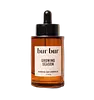 Key Ingredients
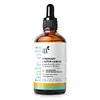
No key ingredients
Benefits
Concerns
Ingredients Side-by-side
Olea Europaea Fruit Oil
Masking






Arctium Lappa Root Extract
Skin Conditioning
Urtica Dioica Extract
AstringentSimmondsia Chinensis Seed Oil
Emollient

Squalane
Emollient
Adansonia Digitata Seed Oil
Emollient
Sambucus Nigra Fruit Extract
AstringentHelianthus Annuus Seed Oil
Emollient
Salix Alba Bark Extract
Astringent

Sodium Cocoyl Hydrolyzed Amaranth Protein
Skin Conditioning
Cocoyl Hydrolyzed Quinoa Protein
Cocoyl Hydrolyzed Rice Protein
Cleansing
Hydrogenated Ethylhexyl Olivate
EmollientHydrogenated Olive Oil Unsaponifiables
Emollient
Bakuchiol
Antimicrobial




Argania Spinosa Kernel Oil
Emollient
Serenoa Serrulata Fruit Extract
Skin Conditioning
Sesamum Indicum Seed Oil
Emollient
Beta-Sitosterol
Emulsion Stabilising
Citrus Paradisi Seed Oil
Perfuming
Citrus Aurantium Bergamia Fruit Oil
Masking

Vanilla Planifolia Fruit Extract
Skin Conditioning
Salvia Sclarea Oil
Masking
Tetrahexyldecyl Ascorbate
Antioxidant

Rosmarinus Officinalis Leaf Extract
AntimicrobialGeraniol
Perfuming
Linalool
Perfuming
Limonene
Perfuming
Citral
Perfuming
Myrcene
Perfuming
Olea Europaea Fruit Oil, Arctium Lappa Root Extract, Urtica Dioica Extract, Simmondsia Chinensis Seed Oil, Squalane, Adansonia Digitata Seed Oil, Sambucus Nigra Fruit Extract, Helianthus Annuus Seed Oil, Salix Alba Bark Extract, Sodium Cocoyl Hydrolyzed Amaranth Protein, Cocoyl Hydrolyzed Quinoa Protein, Cocoyl Hydrolyzed Rice Protein, Hydrogenated Ethylhexyl Olivate, Hydrogenated Olive Oil Unsaponifiables, Bakuchiol, Argania Spinosa Kernel Oil, Serenoa Serrulata Fruit Extract, Sesamum Indicum Seed Oil, Beta-Sitosterol, Citrus Paradisi Seed Oil, Citrus Aurantium Bergamia Fruit Oil, Vanilla Planifolia Fruit Extract, Salvia Sclarea Oil, Tetrahexyldecyl Ascorbate, Rosmarinus Officinalis Leaf Extract, Geraniol, Linalool, Limonene, Citral, Myrcene

Alternatives
Ingredients Explained
These ingredients are found in both products.
Ingredients higher up in an ingredient list are typically present in a larger amount.
This ingredient is also known as olive oil. It has been used in skincare for centuries and science largely backs up its reputation as a nourishing emollient.
The main components of olive oil are oleic acid (55-83%), linoleic acid (3.5-20%), and palmitic acid (7-20%). Oleic acid promotes skin regeneration and helps regulate inflammatory responses.
Squalene is also naturally present in olive oil and exhibits moisturizing and antioxidant properties.
The polyphenols in olive oil also show anti-aging promise; one clinical study found a measurable improvement in skin appearance after 30 days of topical serum use.
Just be aware that applying olive oil directly to skin can weaken the barrier and cause redness. One study with volunteers found even people without sensitive skin experienced a significant reduction in stratum corneum integrity and induced mild erythema.
It's best to use this ingredient as part of a carefully crafted formula (instead of putting it on skin directly from the bottle).
Because it has a 0-2 on the comedogenic scale, it is low risk for acne-prone skin. Just remember the overall formulation of a product matters more than a few ingredients with comedogenic ratings.
This ingredient may not be fungal acne safe because of the oleic and palmitic acid content. These fall within the C11-24 fatty acid range that the Malassezia yeast can metabolize to grow.
Overall, olive oil is a well-studied and nourishing skincare ingredient.
Learn more about Olea Europaea Fruit Oil

