
What's inside
What's inside
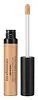 Key Ingredients
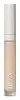
Benefits
Concerns
Ingredients Side-by-side
Water
Skin ConditioningTetradecane
Perfuming

Glycerin
Humectant


Hydrogenated Polydecene
EmollientPolyglyceryl-3 Diisostearate
Emulsifying




Propanediol
Solvent
Decyl Isostearate
Emollient
Isostearyl Isostearate
Emollient
Lauroyl Lysine
Skin Conditioning
Sorbitan Sesquiisostearate
Emulsifying
Magnesium Stearate
Cosmetic ColorantDisteardimonium Hectorite
StabilisingIsostearic Acid
Cleansing
Nymphaea Alba Flower Extract
Skin ConditioningEthylhexylglycerin
Skin ConditioningMethyl Methacrylate Crosspolymer
Silica
Abrasive

Trisodium EDTA
ChelatingPhenoxyethanol
Preservative
Mica
Cosmetic ColorantCI 77891
Cosmetic ColorantIron Oxides
Water, Tetradecane, Glycerin, Hydrogenated Polydecene, Polyglyceryl-3 Diisostearate, Propanediol, Decyl Isostearate, Isostearyl Isostearate, Lauroyl Lysine, Sorbitan Sesquiisostearate, Magnesium Stearate, Disteardimonium Hectorite, Isostearic Acid, Nymphaea Alba Flower Extract, Ethylhexylglycerin, Methyl Methacrylate Crosspolymer, Silica, Trisodium EDTA, Phenoxyethanol, Mica, CI 77891, Iron Oxides
Aloe Barbadensis Leaf Juice
Skin Conditioning

Tetradecane
Perfuming
Hydrogenated Polydecene
EmollientGlycerin
Humectant
Disteardimonium Hectorite
StabilisingPolyglyceryl-3 Diisostearate
Emulsifying
Decyl Isostearate
Emollient
Isostearyl Isostearate
Emollient
Isostearic Acid
Cleansing
Methyl Methacrylate Crosspolymer
Propanediol
Solvent
Sorbitan Sesquiisostearate
Emulsifying
Polyglyceryl-6 Polyricinoleate
Emulsifying
Gluconolactone
Chelating




Lauroyl Lysine
Skin Conditioning
Albizia Julibrissin Bark Extract
MaskingMagnesium Sulfate
Sodium Chloride
MaskingZinc Stearate
Cosmetic ColorantHydrogenated Lecithin
Emulsifying
Tetrahexyldecyl Ascorbate
Antioxidant

Sodium Benzoate
Masking
Dodecane
Emollient
Caprylic/Capric Triglyceride
Masking
Hexadecane
Perfuming
Pistacia Lentiscus Gum
MaskingCalcium Gluconate
HumectantEthylhexylglycerin
Skin ConditioningDarutoside
Skin ConditioningPhenethyl Alcohol
MaskingCI 77891
Cosmetic ColorantCI 77491
Cosmetic ColorantCI 77492
Cosmetic ColorantCI 77499
Cosmetic ColorantAloe Barbadensis Leaf Juice, Tetradecane, Hydrogenated Polydecene, Glycerin, Disteardimonium Hectorite, Polyglyceryl-3 Diisostearate, Decyl Isostearate, Isostearyl Isostearate, Isostearic Acid, Methyl Methacrylate Crosspolymer, Propanediol, Sorbitan Sesquiisostearate, Polyglyceryl-6 Polyricinoleate, Gluconolactone, Lauroyl Lysine, Albizia Julibrissin Bark Extract, Magnesium Sulfate, Sodium Chloride, Zinc Stearate, Hydrogenated Lecithin, Tetrahexyldecyl Ascorbate, Sodium Benzoate, Dodecane, Caprylic/Capric Triglyceride, Hexadecane, Pistacia Lentiscus Gum, Calcium Gluconate, Ethylhexylglycerin, Darutoside, Phenethyl Alcohol, CI 77891, CI 77491, CI 77492, CI 77499
Reviews
Ingredients Explained
These ingredients are found in both products.
Ingredients higher up in an ingredient list are typically present in a larger amount.
Ci 77891 is a white pigment from Titanium dioxide. It is naturally found in minerals such as rutile and ilmenite.
It's main function is to add a white color to cosmetics. It can also be mixed with other colors to create different shades.
Ci 77891 is commonly found in sunscreens due to its ability to block UV rays.
Learn more about CI 77891Decyl Isostearate isn't fungal acne safe.
Disteardimonium Hectorite comes from the clay mineral named hectorite. It is used to add thickness to a product.
It can also help stabilize a product by helping to disperse other ingredients.
Hectorite is a rare, white clay mineral.
Learn more about Disteardimonium HectoriteEthylhexylglycerin is created from glycerin. It is a multitasker ingredient that:
The CIR Expert Panel found minimal skin absorption or sensitization of any kind in a safety assessment. Though this ingredient is considered well-tolerated, a small number of cases of allergic dermatitis have been published since 2002. Just be sure to patch test if you are unsure.
Industry-reported use ranges from 8% in rinse-off products and 2% in leave-on formulations.
Learn more about EthylhexylglycerinGlycerin (or glycerol) is a compound naturally found in your skin. It's a powerhouse humectant that pulls water into the stratum corneum.
Topically, glycerin does several things at once:
Your skin makes glycerin on its own (mostly from sebaceous oil breakdown) and shuttles it to your outermost layer of skin, or your epidermis, via aquaporin-3.
Aquaporin-3 is a transporter that is essential for normal skin hydration, elasticity, and repair. Interestingly, mice lacking in AQP3 have dry and less elastic skin that can be fully corrected with glycerin.
This ingredient is non-irritating, plays well with almost every ingredient, and works across all skin types. Typical use is anywhere between 3-10% but can go up to 79% in some leave-on products.
Just know very high concentrations (>40%) can feel tacky in low humidity.
Glycerin is the name for this ingredient in American English. British English uses Glycerol/Glycerine.
Learn more about GlycerinHydrogenated Polydecene is a synthetic emollient. It forms a non-occlusive film on the skin's surface to provide a silky feel without being greasy.
In vivo studies in volunteers with atopic and dry skin showed no irritation or intolerance. The volunteers also saw a positive effect in dryness, scaling, and roughness after 28 days of use.
Concentrations up to 100% in guinea pig tests found it to be non-sensitizing and completely safe for use in cosmetics.
Learn more about Hydrogenated PolydeceneIsostearic Acid is a fatty acid and a structural cousin of stearic acid. It is an emulsifier.
The branched structure of this ingredient enhances fluidity and gives it a lighter, less greasy feel compared to other fatty acids. It helps improve texture and consistency because it prevents oil and water phases from separating.
This ingredient is sourced from plant-based oils like soybean or rapeseed.
Clinical studies found no signs of irritation from this ingredient.
Since Isostearic Acid is an 18-carbon fatty acid, it is in the range that Malassezia can feed on. This ingredient may not be fungal acne safe.
You might have seen sources that this ingredient is comedogenic. The original comedogenic testing on rabbit ear actually tested the ester, Isopropyl Isostearate and not Isostearic acid itself.
Any finished product with this ingredient won't automatically make you break out; it really comes down to concentration, formula, and your skin.
Learn more about Isostearic AcidIsostearyl Isostearate is a plant-based and vegan emollient ester made by reacting Isostearyl Alcohol and Isostearic Acid.
It helps improve how the product spreads on skin, acts as a binding agent for makeup powders without modifying pigment color, and softens skin while helping it hold onto water.
This ingredient is very interesting as a hydrator; most moisturizers are either occlusives, humectants, or emollients. Isostearyl isostearate works through another route named "internal occlusion" by the head researcher.
Isostearyl isostearate nudges the skin's own lipids into a denser, more tightly packed arrangement. Packing the deeper layers of the stratum corneum together more efficiently means less water is able to escape.
This is a barrier-improving mechanism that hadn't been described before and plastic occlusion stress tests confirmed it improved the skin's water-permeability barrier function
Just one thing worth noting from the same review: this ingredient increased the penetration rate of a test drug through excised human skin. Though this ingredient is not classified as a penetration enhancer, it does interact with the barrier rather than sitting totally inert on top.
This ingredient does have a comedogenic rating of 4, but this doesn’t mean a formula with this ingredient will clog pores. Human testing has proved that any finished product with this ingredient won’t automatically make you break out; it really comes down to concentration, formula, and your skin.
Fungal acne:
The Malassezia yeast feeds on fatty acids and esters in the C11-24 range. Since both halves of this molecules are C18, it may not be fungal acne safe.
This ingredient comes from a fatty acid (lauric acid) and amino acid (lysine). It is used to add a silky feel to cosmetics.
According to a manufacturer, its fatty acid base leaves a silky feeling on the skin. It also has emollient properties because of this. Emollients help soften skin by preventing water from evaporating.
Lauroyl lysine is barely soluble in water.
Learn more about Lauroyl LysineThis ingredient comes as a powder made up of small, porous, microbeads. It is used to add a silky feel to products and also helps absorb oil.
Polyglyceryl-3 Diisostearate is a plant-derived, oil-soluble emulsifier. It keeps water-in-oil emulsions stable to prevent the ingredients from separating.
On the safety front, it's considered non-irritating and well-tolerated (it can even be found in formulations for baby skin).
This ingredient may not be fungal acne safe because research has shown that the Malassezia species can grow in the presence of fatty acid esters with chain lengths above C12 (and this one is C18).
While it does have a comedogenic rating of 4, the comedogenic rating scale was developed from rabbit ear models which has limited clinical relevance to human skin. Studies also show that comedogenic ingredients cannot predict how the overall formula will behave on human skin.
Learn more about Polyglyceryl-3 DiisostearatePropanediol is an all-star ingredient. It softens, hydrates, and smooths the skin.
It’s often used to:
Propanediol is not likely to cause sensitivity and considered safe to use. It is derived from corn or petroleum with a clear color and no scent.
Learn more about PropanediolSorbitan Sesquiisostearate isn't fungal acne safe.
Tetradecane is a fragrance.


