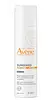
This chemical sunscreen covers the full UV range and blocks ~98% of UVB at SPF 50.
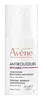
This calming treatment is formulated around Silybum Marianum Fruit Extract to calm redness.

What's inside
What's inside
 Key Ingredients
Benefits
Concerns
Ingredients Side-by-side
Water
Skin ConditioningC12-15 Alkyl Benzoate
AntimicrobialDiethylamino Hydroxybenzoyl Hexyl Benzoate
UV Filter
Ethylhexyl Triazone
UV Absorber
Glycerin
Humectant


Oryza Sativa Starch
AbsorbentPhenylene Bis-Diphenyltriazine
Stabilising
Bis-Ethylhexyloxyphenol Methoxyphenyl Triazine
UV Absorber
Potassium Cetyl Phosphate
EmulsifyingMyristyl Alcohol
Emollient





Stearyl Alcohol
Emollient
Vp/Eicosene Copolymer
1,2-Hexanediol
Skin Conditioning
Benzoic Acid
Masking
Caprylic/Capric Triglyceride
Masking
Caprylyl Glycol
Emollient
Cichorium Intybus Root Extract
MaskingGlyceryl Behenate
Emollient
Glyceryl Dibehenate
Emollient
Hesperidin Methyl Chalcone
Antioxidant

Myristyl Glucoside
CleansingPPG-1-PEG-9 Lauryl Glycol Ether
EmulsifyingCI 17200
Cosmetic ColorantTocopheryl Glucoside
EmollientTribehenin
Emollient
Xanthan Gum
EmulsifyingWater, C12-15 Alkyl Benzoate, Diethylamino Hydroxybenzoyl Hexyl Benzoate, Ethylhexyl Triazone, Glycerin, Oryza Sativa Starch, Phenylene Bis-Diphenyltriazine, Bis-Ethylhexyloxyphenol Methoxyphenyl Triazine, Potassium Cetyl Phosphate, Myristyl Alcohol, Stearyl Alcohol, Vp/Eicosene Copolymer, 1,2-Hexanediol, Benzoic Acid, Caprylic/Capric Triglyceride, Caprylyl Glycol, Cichorium Intybus Root Extract, Glyceryl Behenate, Glyceryl Dibehenate, Hesperidin Methyl Chalcone, Myristyl Glucoside, PPG-1-PEG-9 Lauryl Glycol Ether, CI 17200, Tocopheryl Glucoside, Tribehenin, Xanthan Gum
Water
Skin ConditioningOctyldodecanol
Emollient
Glycerin
Humectant
Myristyl Alcohol
Emollient
Pentylene Glycol
Skin Conditioning
Silybum Marianum Fruit Extract
Skin Conditioning
Potassium Cetyl Phosphate
EmulsifyingMyristyl Glucoside
CleansingCitric Acid
Buffering

Diutan Gum
Glyceryl Behenate
Emollient
Glyceryl Dibehenate
Emollient
Helianthus Annuus Seed Oil
Emollient
Sodium Benzoate
Masking
Tocopherol
Antioxidant


Tribehenin
Emollient
Xanthan Gum
EmulsifyingIngredients Explained
These ingredients are found in both products.
Ingredients higher up in an ingredient list are typically present in a larger amount.
Glycerin (or glycerol) is a compound naturally found in your skin. It's a powerhouse humectant that pulls water into the stratum corneum.
Topically, glycerin does several things at once:
Your skin makes glycerin on its own (mostly from sebaceous oil breakdown) and shuttles it to your outermost layer of skin, or your epidermis, via aquaporin-3.
Aquaporin-3 is a transporter that is essential for normal skin hydration, elasticity, and repair. Interestingly, mice lacking in AQP3 have dry and less elastic skin that can be fully corrected with glycerin.
This ingredient is non-irritating, plays well with almost every ingredient, and works across all skin types. Typical use is anywhere between 3-10% but can go up to 79% in some leave-on products.
Just know very high concentrations (>40%) can feel tacky in low humidity.
Glycerin is the name for this ingredient in American English. British English uses Glycerol/Glycerine.
Learn more about GlycerinGlyceryl Behenate is an emollient and emulsifier.
It has a lipophilic-hydrophilic structure that lets it sit at the oil-water interface to keep emulsions stable while leaving skin feeling soft and smooth.
In pressed powder cosmetics, it double as a compacting agent.
This ingredient can be synthetically created or plant-derived. Safety-wise, it has a solid track record.
One thing to flag for fungal acne: since this ingredient is the monoester of behenic acid (C22), it falls within the C11-24 range that Malassezia can metabolize.
Learn more about Glyceryl BehenateGlyceryl Dibehenate isn't fungal acne safe.
Myristyl Alcohol is a fatty alcohol. Despite the word "alcohol", it has nothing in common with the drying kind you find in hand sanitizer.
This ingredient is a waxy solid that formulators use to thicken creams, help oil + water stay mixed, soften skin, and boost foam.
Concentration use usually lands somewhere between 0.1-3% for face products.
Allergies to this ingredient are uncommon and most reported cases from from medication creams rather than cosmetics.
This ingredient does have a comedogenic rating of 2, but this doesn't mean a formula with this ingredient will clog pores. Human testing has proved that any finished product with this ingredient won't automatically make you break out; it really comes down to concentration, formula, and your skin.
The Malassezia yeast feeds on fatty alcohols with a chain length above 12 carbons, and this ingredient is a C14 primary fatty alcohol. This ingredient may not be fungal acne safe.
Learn more about Myristyl AlcoholWe don't have a description for Myristyl Glucoside yet.
Potassium Cetyl Phosphate is the potassium salt of a mixture. This mixture consists of the esters from phosphoricacid and cetyl alcohol.
Potassium Cetyl Phosphate is an emulsifier and cleansing agent. Emulsifiers help stabilize a product. It does this by preventing certain ingredients from separating.
As a cleansing agent, Potassium Cetyl Phosphate helps gather oils, dirts, and pollutants from your skin. This makes it easier to rinse them away with water.
Learn more about Potassium Cetyl PhosphateTribehenin is the triglyceride of glycerin and behenic acid. It is an emollient that helps soften and condition skin.
Safety-wise, this is a well-vetted ingredient. Repeated-insult patch tests of 0.38% tribehenin did not trigger sensitization.
This ingredient may not be fungal acne safe because behenic acid falls into the chain-length range that Malassezia yeasts can feed on.
Learn more about TribeheninWater. It's the most common cosmetic ingredient of all. You'll usually see it at the top of ingredient lists, meaning that it makes up the largest part of the product.
So why is it so popular? Water most often acts as a solvent - this means that it helps dissolve other ingredients into the formulation.
You'll also recognize water as that liquid we all need to stay alive. If you see this, drink a glass of water. Remember to stay hydrated!
Learn more about WaterXanthan gum is used as a stabilizer and thickener within cosmetic products. It helps give products a sticky, thick feeling - preventing them from being too runny.
On the technical side of things, xanthan gum is a polysaccharide - a combination consisting of multiple sugar molecules bonded together.
Xanthan gum is a pretty common and great ingredient. It is a natural, non-toxic, non-irritating ingredient that is also commonly used in food products.
Learn more about Xanthan Gum

