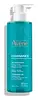
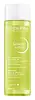
This oil-control toner is formulated around Zinc Gluconate and Salicylic Acid to balance excess oil and refine the look of pores.

What's inside
What's inside
 Key Ingredients
Benefits
Concerns
Ingredients Side-by-side
Water
Skin ConditioningZinc Coceth Sulfate
Cleansing
Lauryl Betaine
CleansingDecyl Glucoside
Cleansing
Ceteareth-60 Myristyl Glycol
EmulsifyingPEG-7 Glyceryl Cocoate
Emulsifying



Polysorbate 20
Emulsifying
Citric Acid
Buffering

Parfum
Masking


CI 61570
Cosmetic ColorantIsopropyl Alcohol
Solvent
PEG-40 Hydrogenated Castor Oil
Emulsifying
PEG-6
HumectantPPG-26-Buteth-26
Skin ConditioningSilybum Marianum Fruit Extract
Skin Conditioning
Sodium Benzoate
Masking
Sodium Chloride
MaskingSodium Hydroxide
BufferingTrisodium Ethylenediamine Disuccinate
ChelatingCI 19140
Cosmetic ColorantZinc Gluconate
Skin Conditioning



Water, Zinc Coceth Sulfate, Lauryl Betaine, Decyl Glucoside, Ceteareth-60 Myristyl Glycol, PEG-7 Glyceryl Cocoate, Polysorbate 20, Citric Acid, Parfum, CI 61570, Isopropyl Alcohol, PEG-40 Hydrogenated Castor Oil, PEG-6, PPG-26-Buteth-26, Silybum Marianum Fruit Extract, Sodium Benzoate, Sodium Chloride, Sodium Hydroxide, Trisodium Ethylenediamine Disuccinate, CI 19140, Zinc Gluconate
Water
Skin ConditioningPEG-11 Methyl Ether Dimethicone
Emulsifying
Butylene Glycol
Humectant

Glycerin
Humectant
Fomes Officinalis Extract
Skin ProtectingCapryloyl Glycine
CleansingPolysorbate 20
Emulsifying
Sodium Citrate
BufferingZinc Gluconate
Skin Conditioning
Salicylic Acid
Masking

Sodium Hydroxide
BufferingMannitol
Humectant
Sodium Metabisulfite
Antioxidant
Xylitol
Humectant
Rhamnose
HumectantPyridoxine Hcl
Skin ConditioningPropyl Gallate
Antioxidant
PEG-40 Hydrogenated Castor Oil
Emulsifying
Fructooligosaccharides
Humectant
Phenoxyethanol
Preservative
Parfum
Masking
Water, PEG-11 Methyl Ether Dimethicone, Butylene Glycol, Glycerin, Fomes Officinalis Extract, Capryloyl Glycine, Polysorbate 20, Sodium Citrate, Zinc Gluconate, Salicylic Acid, Sodium Hydroxide, Mannitol, Sodium Metabisulfite, Xylitol, Rhamnose, Pyridoxine Hcl, Propyl Gallate, PEG-40 Hydrogenated Castor Oil, Fructooligosaccharides, Phenoxyethanol, Parfum
Reviews
Ingredients Explained
These ingredients are found in both products.
Ingredients higher up in an ingredient list are typically present in a larger amount.
Parfum is a catch-all term for an ingredient or more that is used to give a scent to products.
Also called "fragrance", this ingredient can be a blend of hundreds of chemicals or plant oils. This means every product with "fragrance" or "parfum" in the ingredients list is a different mixture.
For instance, Habanolide is a proprietary trade name for a specific aroma chemical. When used as a fragrance ingredient in cosmetics, most aroma chemicals fall under the broad labeling category of “FRAGRANCE” or “PARFUM” according to EU and US regulations.
The term 'parfum' or 'fragrance' is not regulated in many countries. In many cases, it is up to the brand to define this term.
For instance, many brands choose to label themselves as "fragrance-free" because they are not using synthetic fragrances. However, their products may still contain ingredients such as essential oils that are considered a fragrance by INCI standards.
One example is Calendula flower extract. Calendula is an essential oil that still imparts a scent or 'fragrance'.
Depending on the blend, the ingredients in the mixture can cause allergies and sensitivities on the skin. Some ingredients that are known EU allergens include linalool and citronellol.
Parfum can also be used to mask or cover an unpleasant scent.
The bottom line is: not all fragrances/parfum/ingredients are created equally. If you are worried about fragrances, we recommend taking a closer look at an ingredient. And of course, we always recommend speaking with a professional.
Learn more about ParfumPEG-40 Hydrogenated Castor Oil is an emulsifier derived from castor oil.
As an emulsifying agent, it helps other ingredients like fragrances and fat-soluble vitamins dissolve cohesively.
Due to its large molecule size, it doesn't penetrate beyond the skin's surface.
This ingredient has a solid regulatory track record; the CIR Expert Panel first concluded it was safe for use in cosmetics at concentrations up to 100% in 1997. A 2012 reassessment reaffirmed that finding. Safety studies have also found no irritation or evidence of toxicity.
A 2019 study did find this ingredient to grow Malassezia, so this ingredient may not be fungal acne safe.
Learn more about PEG-40 Hydrogenated Castor OilPolysorbate 20 is a gentle, water-soluble emulsifier and mild surfactant. It stops oil and water from separating to keep your formulas blended and stable.
It also acts as a mild penetration enhancer by helping active ingredients absorb slightly better.
The common safety discussion around this ingredient involves a manufacturing byproduct called 1,4-dioxane.
Trace amounts can form during production but the EU's Scientific Committee on Consumer Safety has concluded that levels at/below 10 ppm in finished products are safe (commercial products consistently fall within acceptable margins).
True allergic reactions are uncommon and the CIR Expert Panel has confirmed this ingredient to be safe as used in cosmetics.
Because it is derived from lauric acid, it may not be fungal acne safe.
Learn more about Polysorbate 20Sodium Hydroxide is also known as lye or caustic soda. It is used to adjust the pH of products; many ingredients require a specific pH to be effective.
In small amounts, sodium hydroxide is considered safe to use. However, large amounts may cause chemical burns due to its high alkaline.
Your skin has a natural pH and acid mantle. This acid mantle helps prevent harmful bacteria from breaking through. The acid mantle also helps keep your skin hydrated.
"Alkaline" refers to a high pH level. A low pH level would be considered acidic.
Learn more about Sodium HydroxideWater. It's the most common cosmetic ingredient of all. You'll usually see it at the top of ingredient lists, meaning that it makes up the largest part of the product.
So why is it so popular? Water most often acts as a solvent - this means that it helps dissolve other ingredients into the formulation.
You'll also recognize water as that liquid we all need to stay alive. If you see this, drink a glass of water. Remember to stay hydrated!
Learn more about WaterZinc gluconate has antibacterial and wound healing properties. It is particularly effective against fighting inflammatory acne.
This ingredient is the zinc salt of the PHA gluconic acid. PHAs are gentle cousins to AHAs.


