Aquaphor Lip Repair Stick Naturally Inspired Versus Burt's Bees Hydrating Lip Oil With Passion Fruit Oil


What's inside
What's inside
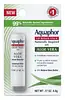 Key Ingredients
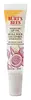
No key ingredients
Benefits
Concerns
Ingredients Side-by-side
Octyldodecanol
Emollient
Ricinus Communis Seed Oil
Masking



Butyrospermum Parkii Butter
Skin Conditioning


Beeswax
Emulsion Stabilising
Helianthus Annuus Seed Wax
Skin Conditioning
Glycerin
Humectant
Hydrogenated Castor Oil
Emollient
Polyglyceryl-4 Diisostearate/Polyhydroxystearate/Sebacate
Emulsifying
Aloe Barbadensis Leaf Juice Powder
Skin Conditioning

Simmondsia Chinensis Seed Oil
Emollient
Helianthus Annuus Seed Oil
Emollient
Water
Skin ConditioningOctyldodecanol, Ricinus Communis Seed Oil, Butyrospermum Parkii Butter, Beeswax, Helianthus Annuus Seed Wax, Glycerin, Hydrogenated Castor Oil, Polyglyceryl-4 Diisostearate/Polyhydroxystearate/Sebacate, Aloe Barbadensis Leaf Juice Powder, Simmondsia Chinensis Seed Oil, Helianthus Annuus Seed Oil, Water
Capryloyl Glycerin/Sebacic Acid Copolymer
Skin ConditioningRicinus Communis Seed Oil
Masking
Helianthus Annuus Seed Oil
Emollient
C13-15 Alkane
SolventCera Alba
Emollient
Limnanthes Alba Seed Oil
Skin Conditioning
Cocos Nucifera Oil
Masking
Aroma

Silica
Abrasive


Passiflora Edulis Seed Oil
Emollient
Butyrospermum Parkii Butter
Skin Conditioning
Tocopherol
Antioxidant




Citric Acid
Buffering

Glyceryl Behenate
Emollient
Citral
Perfuming


Hexyl Cinnamal
Perfuming
Hydroxycitronellal
Perfuming
Limonene
Perfuming
Capryloyl Glycerin/Sebacic Acid Copolymer, Ricinus Communis Seed Oil, Helianthus Annuus Seed Oil, C13-15 Alkane, Cera Alba, Limnanthes Alba Seed Oil, Cocos Nucifera Oil, Aroma, Silica, Passiflora Edulis Seed Oil, Butyrospermum Parkii Butter, Tocopherol, Citric Acid, Glyceryl Behenate, Citral, Hexyl Cinnamal, Hydroxycitronellal, Limonene
Reviews
Ingredients Explained
These ingredients are found in both products.
Ingredients higher up in an ingredient list are typically present in a larger amount.
This ingredient is also known as shea butter. It is a plant-derived extract from the nuts of the Africa shea tree and one of the most well-studied emollients.
Because it has a high concentration of fatty acids (primarily oleic, stearic, and linoleic) it is able to form a protective barrier on the skin's surface. This helps seal in moisture and prevents transepidermal water loss (TEWL).
In vitro research found an increase in skin hydration by 58% and a decrease in TEWL by 37.8% after 24 hours of applying this ingredient (pretty impressive for a single ingredient!).
Besides hydration, shea butter also contains triterpenes that have anti-inflammatory potential. In particule, lupeol cinnamate has shown the highest anti-inflammatory activity in vivo.
Shea butter also contains vitamins A and E which may contribute to antioxidant activity.
While Shea Butter has an SPF rating of about 3-4, it is not a sunscreen replacement.
This ingredient may not be fungal acne safe because its fatty acids fall within the C11-C24 range that the Malassezia yeast can metabolize.
Learn more about Butyrospermum Parkii ButterHelianthus Annuus Seed Oil is a plant oil derived from the seeds of a sunflower.
It is rich in fatty acids, primarily linoleic acid and oleic acid. This gives it emollient and skin conditioning properties.
The reason this ingredient is so effective is because it forms a thin film on the skin that reduces transepidermal water loss (TEWL) while supplying linoleic acid to the stratum corneum to improve barrier strength.
The high linoleic acid content is particularly noteworthy for acne-prone skin.
Research suggests that acne-prone skin tends to be deficient in linoleic acid in sebum. Topical application may help replenish this to support a healthier follicular environment and less comedone-promoting sebum.
One randomized study found sunflower seed oil preserved skin barrier integrity in adult volunteers with and without atopic dermatitis (outperforming olive oil).
This ingredient is well-studied, gentle, and an effective emollient suitable for most skin types.
On fungal acne: This ingredient may not be Fungal acne (Malassezia folliculitis) safe. This is because it contains fatty acids with carbon chain lengths in the C11-C24 range.
Learn more about Helianthus Annuus Seed OilRicinus Communis Seed Oil is the INCI name for castor oil.
Castor Oil helps moisturize the skin. It is rich in a fatty acid called ricinoleic acid. This fatty acid helps prevent moisture loss on the skin. This helps keep your skin soft and hydrated. Ricinoleic acid also has anti-inflammatory and pain reducing properties.
Besides hydrating the skin, castor oil is also used to hydrate hair. By keeping the hair shaft moisturized, breakage is decreased. More studies are needed to show castor oil's effective on stimulating hair growth.
Castor oil is created by cold-pressing castor seeds and then purifying the oil with heat. It was used in Ancient Egypt as fuel in lamps and to help treat eye irritation.
The term 'fragrance' is not regulated in many countries. In many cases, it is up to the brand to define this term. For instance, many brands choose to label themselves as "fragrance-free" because they are not using synthetic fragrances. However, their products may still contain ingredients such as essential oils that are considered a fragrance.
Learn more about Ricinus Communis Seed Oil
