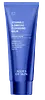
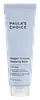
Allies of Skin Vitamin C & Omegas Cleansing Balm Versus Paula's Choice Omega+ Complex Cleansing Balm
This oil-based makeup remover is made to dissolve makeup, sunscreen, and daily buildup.
This oil-based cleanser is made to cleanse without leaving your skin tight or dry.

What's inside
What's inside
 Key Ingredients
Benefits
Concerns
Ingredients Side-by-side
Caprylic/Capric Triglyceride
Masking


C15-19 Alkane
SolventDisodium Lauryl Sulfosuccinate
CleansingPolyglyceryl-2 Sesquioleate
Emulsifying

Polyglyceryl-3 Caprate
EmulsifyingTrihydroxystearin
Skin Conditioning
Polyglyceryl-3 Beeswax
Emulsifying
Carthamus Tinctorius Seed Oil
Masking
Hippophae Rhamnoides Fruit Oil
Skin Protecting
Tetrahexyldecyl Ascorbate
Antioxidant






Vaccinium Myrtillus Seed Oil
Skin Conditioning
Euterpe Oleracea Fruit Oil
Skin Conditioning
Rubus Idaeus Seed Oil
Emollient
Vitis Vinifera Seed Oil
Emollient
Tocopherol
Antioxidant


Tocopheryl Acetate
Antioxidant
Squalene
Emollient
Glycine Soja Oil
Emollient


Beta-Sitosterol
Emulsion Stabilising
Caprylic/Capric Triglyceride, C15-19 Alkane, Disodium Lauryl Sulfosuccinate, Polyglyceryl-2 Sesquioleate, Polyglyceryl-3 Caprate, Trihydroxystearin, Polyglyceryl-3 Beeswax, Carthamus Tinctorius Seed Oil, Hippophae Rhamnoides Fruit Oil, Tetrahexyldecyl Ascorbate, Vaccinium Myrtillus Seed Oil, Euterpe Oleracea Fruit Oil, Rubus Idaeus Seed Oil, Vitis Vinifera Seed Oil, Tocopherol, Tocopheryl Acetate, Squalene, Glycine Soja Oil, Beta-Sitosterol
Reviews
Alternatives
Ingredients Explained
These ingredients are found in both products.
Ingredients higher up in an ingredient list are typically present in a larger amount.
Caprylic/Capric Triglyceride (aka MCT Oil) is a lightweight emollient, solvent, and texture enhancer. It is considered a skin-softener by helping to prevent moisture loss.
Though it behaves like an oil, it is not technically one due to its chemical composition. One perk of this ingredient is that it is very stable, resistant to oxidation, and unlikely to go rancid.
In practice, that translates to a long shelf life and a consistently elegant skin feel.
While there is an assumption Caprylic Triglyceride can clog pores due to it being derived from coconut oil, there is no research supporting this. Just patch test if you have concerns.
Fractionated coconut oil and MCT Oil are both listed as Caprylic/Capric Triglyceride according to INCI. This is because INCI names are based on the ingredient’s final chemical composition and not its marketing name or source.
This ingredient is treated as the gold standard fungal acne safe oil. Even though it is coconut derived, the problematic lauric acid is stripped out.
This leaves just caprylic (C8) and capric (C10) acid. These chain lengths actually trend antifungal; a 2020 study found caprylic acid was enough to disrupt Malassezia furfur cell membrane, with a caprylic acid derivative damaging membrane structures at concentrations as low as 0.2%.
Learn more about Caprylic/Capric TriglycerideTocopheryl Acetate is a stable, shelf-friendly form of vitamin E.
Formulators love it because plain vitamin E oxidizes quickly once it hits air. This acetate version stays stable and resists going off, helping to extend a product's shelf life.
It's actually inactive on its own and works like a slow-release "storage" form; the enzymes in your skin called esterases gradually convert it into active vitamin E over time.
One in vivo study showed 5% of the acetate in the living layer of the epidermis converted to vitamin E after 5 days of application. This study also found the skin gained protection against UV damage even though the conversion was slow and small.
Once converted, vitamin E acts as a skin's main fat-soluble antioxidant that fights free radicals to protect skin from damage.
Topical vitamin E generally boosts the skin's photoprotection, and it reduced UV-damage in animal models.
This ingredient has some brightening potential but it's more of a prevention ingredient than spot-fader. Cell studies show it can slow down melanin production but it's worth noting that it's not the most powerful brightener out there.
Overall, it has a pretty solid safety profile and has been found to be non-irritating and non-comedogenic. Allergic reactions may happen but stay rare due to how widely the ingredient gets used.
The concentration will vary depending on the formula; industry data shows 0.1% in baby lotions, 3% in lipsticks, and 5% in foot powders. You can also find this ingredient at 100% in a pure vitamin E oil.
Most leave-on skincare keeps it at the lower end, often between 0.5-1%.
Learn more about Tocopheryl AcetateTrihydroxystearin is what you get when you fully hydrogenate castor oil into a waxy, fine powder.
It's mostly a behind-the-scenes texture enhancer that's especially good at "thixotropic" thing where the product stays thick but applies nicely.
Because of its structure, it also acts as a mild skin conditioning emollient that helps soften skin while preventing moisture loss.
Safety studies show it to be safe and non-irritation in clinical tests. It's typically used in concentrations up to 5%.
Since its an ester of a C18 fatty acid, it falls into the C11-24 range that Malassezia can potentially feed on. This makes it not fungal-acne safe.
Learn more about Trihydroxystearin

