This hydrating toner is formulated around Aloe Barbadensis Leaf Juice and Sodium Hyaluronate to hydrate skin and calm redness.
This acne toner is formulated around Salicylic Acid and Centella Asiatica Extract to clear breakouts and refine skin texture.


What's inside
What's inside
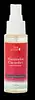 Key Ingredients
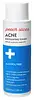
Benefits
Concerns
Ingredients Side-by-side
Citrullus Lanatus Fruit Water
Skin ConditioningAloe Barbadensis Leaf Juice
Skin Conditioning


Cucumis Sativus Fruit Water
Skin ConditioningSodium Hyaluronate
Humectant


Polyglutamic Acid
Skin Conditioning
Opuntia Ficus-Indica Extract
Skin Conditioning
Camellia Sinensis Leaf Extract
Antimicrobial



Niacinamide
Smoothing



Chondrus Crispus Extract
Skin Conditioning

Sodium PCA
Humectant
Lycium Barbarum Fruit Extract
Astringent
Squalane
Emollient
Glycerin
Humectant
Citrullus Lanatus Fruit Extract
Skin Conditioning
Dehydroacetic Acid
Preservative
Citrullus Lanatus Fruit Water, Aloe Barbadensis Leaf Juice, Cucumis Sativus Fruit Water, Sodium Hyaluronate, Polyglutamic Acid, Opuntia Ficus-Indica Extract, Camellia Sinensis Leaf Extract, Niacinamide, Chondrus Crispus Extract, Sodium PCA, Lycium Barbarum Fruit Extract, Squalane, Glycerin, Citrullus Lanatus Fruit Extract, Dehydroacetic Acid






Reviews
Ingredients Explained
These ingredients are found in both products.
Ingredients higher up in an ingredient list are typically present in a larger amount.
Cucumis Sativus Fruit Water is the water (or juice) pressed from cucumber. It has skin conditioning properties that offers gentle hydration.
Cucumbers are about 95% water. The other 5% has some pretty nice things for skin like vitamin C, caffeic acid, and flavonoids that all have antioxidant activity.
A 2011 study found that cucumber fruit juice can fight free radicals and help protect two proteins that keep skin firm and plump (hyaluronic acid and elastin). This is why it's sometimes considered a potential anti-wrinkle ingredient.
Since this ingredient is usually used at low concentrations (up to 3%), it acts more as a soothing and skin conditioning ingredient than a powerhouse active.
Learn more about Cucumis Sativus Fruit WaterGlycerin (or glycerol) is a compound naturally found in your skin. It's a powerhouse humectant that pulls water into the stratum corneum.
Topically, glycerin does several things at once:
Your skin makes glycerin on its own (mostly from sebaceous oil breakdown) and shuttles it to your outermost layer of skin, or your epidermis, via aquaporin-3.
Aquaporin-3 is a transporter that is essential for normal skin hydration, elasticity, and repair. Interestingly, mice lacking in AQP3 have dry and less elastic skin that can be fully corrected with glycerin.
This ingredient is non-irritating, plays well with almost every ingredient, and works across all skin types. Typical use is anywhere between 3-10% but can go up to 79% in some leave-on products.
Just know very high concentrations (>40%) can feel tacky in low humidity.
Glycerin is the name for this ingredient in American English. British English uses Glycerol/Glycerine.
Learn more about Glycerin

