Vitamins and Sea beauty Sea Lavender & Bakuchiol Renewing Face Serum Versus Pacifica Retinoid + Bakuchiol 3% in Seawater
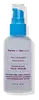
This anti-aging serum is formulated around Bakuchiol and Niacinamide to soften the look of wrinkles and refine skin texture.
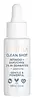
This anti-aging treatment is formulated around Hydroxypinacolone Retinoate and Bakuchiol to soften the look of wrinkles and refine skin texture.

What's inside
What's inside
 Key Ingredients
Benefits
Concerns
Ingredients Side-by-side
Water
Skin ConditioningPropanediol
Solvent

Glycereth-26
Humectant
Lavandula Angustifolia Flower Extract
Cleansing

Bakuchiol
Antimicrobial









Niacinamide
Smoothing


Aminomethyl Propanol
BufferingPEG-12 Dimethicone
Skin Conditioning
Xanthan Gum
EmulsifyingPentaerythrityl Tetra-Di-T-Butyl Hydroxyhydrocinnamate
Antioxidant
Citric Acid
Buffering

Phenoxyethanol
Preservative
Dehydroacetic Acid
Preservative
Benzyl Alcohol
Perfuming



Hc Violet No. 2
Water
Skin ConditioningSea Water
HumectantPropanediol
Solvent
Caprylic/Capric Triglyceride
Masking
Hydroxypinacolone Retinoate
Skin Conditioning
Bakuchiol
Antimicrobial
Glycerin
Humectant
Picea Abies Extract
Skin ConditioningSilica
Abrasive
Xanthan Gum
EmulsifyingSclerotium Gum
Emulsion StabilisingLecithin
Emollient
Pullulan
Sodium Phytate
ChelatingCaprylyl Glycol
Emollient
Alcohol Denat.
Antimicrobial
Dimethyl Isosorbide
SolventParfum
Masking
Ingredients Explained
These ingredients are found in both products.
Ingredients higher up in an ingredient list are typically present in a larger amount.
Bakuchiol is a plant-derived antioxidant from the seeds of the Psoralea corylifolia plant. It has antimicrobial, emollient, skin conditioning, and antioxidant properties.
You'll likely see it called a "retinol replacement" but the two are technically not related. This is because bakuchiol is able to flip many of the same switches in your skin cells to tell them to:
1) produce more collagen (type I, III, and IV)
2) activate the same genes retinoids do
Unlike retinoids, this ingredient will not increase photosensitivity and is safe to use during pregnancy (but please still check in with your doctor!).
The flagship clinical trial from Dhaliwal et al. 2019 found 0.5% bakuchiol (twice daily) and 0.5% retinol (once daily) reduced wrinkles and hyperpigmentation equally, but bakuchiol had significantly less irritation.
Systematic reviews also back this up:
Bakuchiol is comparable to retinol for photoaging but with better tolerability. It also has mild antibacterial properties against Cutibacterium acnes and antifungal activity in vitro against Candida and dermatophytes.
The reason bakuchiol works well is due to its structure; it is a meroterpene phenol, or a hybrid molecule. The phenol half acts as an antioxidant while the terpene half is fat-loving. This helps the molecule slip through the skin barrier.
This ingredient is usually used between 0.5-2%. Only one case of contact dermatitis has ever been reported for this ingredient.
Learn more about BakuchiolPropanediol is an all-star ingredient. It softens, hydrates, and smooths the skin.
It’s often used to:
Propanediol is not likely to cause sensitivity and considered safe to use. It is derived from corn or petroleum with a clear color and no scent.
Learn more about PropanediolWater. It's the most common cosmetic ingredient of all. You'll usually see it at the top of ingredient lists, meaning that it makes up the largest part of the product.
So why is it so popular? Water most often acts as a solvent - this means that it helps dissolve other ingredients into the formulation.
You'll also recognize water as that liquid we all need to stay alive. If you see this, drink a glass of water. Remember to stay hydrated!
Learn more about WaterXanthan gum is used as a stabilizer and thickener within cosmetic products. It helps give products a sticky, thick feeling - preventing them from being too runny.
On the technical side of things, xanthan gum is a polysaccharide - a combination consisting of multiple sugar molecules bonded together.
Xanthan gum is a pretty common and great ingredient. It is a natural, non-toxic, non-irritating ingredient that is also commonly used in food products.
Learn more about Xanthan Gum

