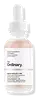
This smoothing exfoliator is formulated around Lactic Acid and Sodium Hyaluronate Crosspolymer to refine skin texture and brighten dull-looking skin.
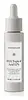
This smoothing serum is formulated around Gluconolactone and Mandelic Acid to refine skin texture and brighten dull-looking skin.


What's inside
What's inside
 Key Ingredients
Benefits
Concerns
Ingredients Side-by-side
Water
Skin ConditioningLactic Acid
Buffering










Glycerin
Humectant

Pentylene Glycol
Skin Conditioning
Propanediol
Solvent
Sodium Hyaluronate Crosspolymer
Humectant
Tasmannia Lanceolata Fruit/Leaf Extract
Antioxidant
Acacia Senegal Gum
MaskingXanthan Gum
EmulsifyingIsoceteth-20
EmulsifyingTrisodium Ethylenediamine Disuccinate
ChelatingSodium Hydroxide
BufferingEthylhexylglycerin
Skin Conditioning1,2-Hexanediol
Skin Conditioning
Caprylyl Glycol
Emollient
Water
Skin ConditioningPropanediol
Solvent
Gluconolactone
Chelating

Mandelic Acid
Antimicrobial
Lactobionic Acid
Buffering
Glycerin
Humectant
Sodium Hyaluronate Crosspolymer
Humectant
Vaccinium Vitis-Idaea Fruit Extract
Antioxidant
Sodium Hyaluronate
Humectant
Hydroxyacetophenone
Antioxidant
Sodium Hydroxide
Buffering1,2-Hexanediol
Skin Conditioning
Caprylyl Glycol
Emollient
Ammonium Acryloyldimethyltaurate/Carboxyethyl Acrylate Crosspolymer
Phenoxyethanol
Preservative
Xanthan Gum
EmulsifyingTocopheryl Acetate
Antioxidant
Ethylhexylglycerin
Skin ConditioningCitric Acid
Buffering
Sodium Benzoate
Masking
Tocopherol
Antioxidant
Calcium Gluconate
HumectantWater, Propanediol, Gluconolactone, Mandelic Acid, Lactobionic Acid, Glycerin, Sodium Hyaluronate Crosspolymer, Vaccinium Vitis-Idaea Fruit Extract, Sodium Hyaluronate, Hydroxyacetophenone, Sodium Hydroxide, 1,2-Hexanediol, Caprylyl Glycol, Ammonium Acryloyldimethyltaurate/Carboxyethyl Acrylate Crosspolymer, Phenoxyethanol, Xanthan Gum, Tocopheryl Acetate, Ethylhexylglycerin, Citric Acid, Sodium Benzoate, Tocopherol, Calcium Gluconate
Reviews
Ingredients Explained
These ingredients are found in both products.
Ingredients higher up in an ingredient list are typically present in a larger amount.
1,2-Hexanediol is a synthetic liquid and another multi-functional powerhouse.
It is a:
- Humectant, drawing moisture into the skin
- Emollient, helping to soften skin
- Solvent, dispersing and stabilizing formulas
- Preservative booster, enhancing the antimicrobial activity of other preservatives
Caprylyl Glycol is a humectant, skin conditioner, emollient, and preservative booster derived from either caprylic acid or synthetically created.
Typical use levels vary from 0.3-1% as a preservative booster and go up to 2% to condition skin.
Because it is not a free-fatty acid, this ingredient is fungal acne safe (there's nothing for Malassezia to feed on).
Learn more about Caprylyl GlycolEthylhexylglycerin is created from glycerin. It is a multitasker ingredient that:
The CIR Expert Panel found minimal skin absorption or sensitization of any kind in a safety assessment. Though this ingredient is considered well-tolerated, a small number of cases of allergic dermatitis have been published since 2002. Just be sure to patch test if you are unsure.
Industry-reported use ranges from 8% in rinse-off products and 2% in leave-on formulations.
Learn more about EthylhexylglycerinGlycerin (or glycerol) is a compound naturally found in your skin. It's a powerhouse humectant that pulls water into the stratum corneum.
Topically, glycerin does several things at once:
Your skin makes glycerin on its own (mostly from sebaceous oil breakdown) and shuttles it to your outermost layer of skin, or your epidermis, via aquaporin-3.
Aquaporin-3 is a transporter that is essential for normal skin hydration, elasticity, and repair. Interestingly, mice lacking in AQP3 have dry and less elastic skin that can be fully corrected with glycerin.
This ingredient is non-irritating, plays well with almost every ingredient, and works across all skin types. Typical use is anywhere between 3-10% but can go up to 79% in some leave-on products.
Just know very high concentrations (>40%) can feel tacky in low humidity.
Glycerin is the name for this ingredient in American English. British English uses Glycerol/Glycerine.
Learn more about GlycerinPropanediol is an all-star ingredient. It softens, hydrates, and smooths the skin.
It’s often used to:
Propanediol is not likely to cause sensitivity and considered safe to use. It is derived from corn or petroleum with a clear color and no scent.
Learn more about PropanediolSodium Hyaluronate Crosspolymer is a crosslinked version of sodium hyaluronate. This just means it's linked into a 3D mesh network that lets it be more stable and sit on skin as a cohesive, gel-like film rather than sinking into skin.
A 2016 human skin study found crosslinked HA increased epidermal water content by 7.6% over the control group and reduced transepidermal water loss by 27.8%.
A follow-up clinical trial found that a topical crosslinked HA serum applied after fillers, microneedling, or chemical peels was well-tolerated and enhanced skin quality at 14 / 28 days.
More recent research suggests that concentrations as low as 0.03% can act as a penetration enhancer for other skincare actives.
Learn more about Sodium Hyaluronate CrosspolymerSodium Hydroxide is also known as lye or caustic soda. It is used to adjust the pH of products; many ingredients require a specific pH to be effective.
In small amounts, sodium hydroxide is considered safe to use. However, large amounts may cause chemical burns due to its high alkaline.
Your skin has a natural pH and acid mantle. This acid mantle helps prevent harmful bacteria from breaking through. The acid mantle also helps keep your skin hydrated.
"Alkaline" refers to a high pH level. A low pH level would be considered acidic.
Learn more about Sodium HydroxideWater. It's the most common cosmetic ingredient of all. You'll usually see it at the top of ingredient lists, meaning that it makes up the largest part of the product.
So why is it so popular? Water most often acts as a solvent - this means that it helps dissolve other ingredients into the formulation.
You'll also recognize water as that liquid we all need to stay alive. If you see this, drink a glass of water. Remember to stay hydrated!
Learn more about WaterXanthan gum is used as a stabilizer and thickener within cosmetic products. It helps give products a sticky, thick feeling - preventing them from being too runny.
On the technical side of things, xanthan gum is a polysaccharide - a combination consisting of multiple sugar molecules bonded together.
Xanthan gum is a pretty common and great ingredient. It is a natural, non-toxic, non-irritating ingredient that is also commonly used in food products.
Learn more about Xanthan Gum

