The Derma Co Squalane + Zinc Oil Free Daily Face Moisturizer Versus The Derma Co Pore Minimizing Daily Face Moisturizer
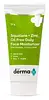
This oil-control moisturizer is formulated around Squalane and Zinc PCA to balance excess oil and hydrate skin.
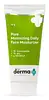
This pore-care moisturizer is formulated around Gluconolactone and Niacinamide to refine the look of pores and balance excess oil.

What's inside
What's inside
 Key Ingredients
Benefits
Concerns
No concerns
Ingredients Side-by-side

Water
Skin ConditioningCoco-Caprylate/Caprate
Emollient
Neopentyl Glycol Diheptanoate
EmollientGluconolactone
Skin Conditioning







Niacinamide
Smoothing




Diethylhexyl Carbonate
EmollientCetyl Alcohol
Emollient


Pentaerythrityl Distearate
Emulsifying
Lens Esculenta Fruit Extract
Skin ConditioningAlpha-Glucan Oligosaccharide
Cleansing
Xylitylglucoside
Humectant
Anhydroxylitol
Humectant
Xylitol
Humectant
Methyl Glucose Sesquistearate
Emollient
Trilaurin
Skin ConditioningSalicylic Acid
Masking




Glycolic Acid
Buffering

Ethylhexylglycerin
Skin ConditioningPhenoxyethanol
Preservative
Disodium EDTA
Xanthan Gum
EmulsifyingCarbomer
Emulsion StabilisingSodium Hydroxide
BufferingWater, Coco-Caprylate/Caprate, Neopentyl Glycol Diheptanoate, Gluconolactone, Niacinamide, Diethylhexyl Carbonate, Cetyl Alcohol, Pentaerythrityl Distearate, Lens Esculenta Fruit Extract, Alpha-Glucan Oligosaccharide, Xylitylglucoside, Anhydroxylitol, Xylitol, Methyl Glucose Sesquistearate, Trilaurin, Salicylic Acid, Glycolic Acid, Ethylhexylglycerin, Phenoxyethanol, Disodium EDTA, Xanthan Gum, Carbomer, Sodium Hydroxide
Ingredients Explained
These ingredients are found in both products.
Ingredients higher up in an ingredient list are typically present in a larger amount.
This ingredient is created from dehydrating xylitol in acidic conditions. Xylitol is a famous sugar and humectant.
Much like its predecessor, anhydroxylitol is a humectant. Humectants attract and hold water to moisturize the skin.
This ingredient is most commonly found in a popular trio called Aquaxyl. Aquaxyl is made up of anhydroxylitol (24 - 34%), xylitylglucoside (35 - 50%), and xylitol (5 - 15%).
According to a manufacturer, Aquaxyl is known for a 3-D hydration concept and an anti-dehydration shield to reinforce the outer layer of skin.
This ingredient is often derived from plants such as wood and sugarcane.
Learn more about AnhydroxylitolDisodium EDTA is a chelating agent. It grabs onto and deactivates metal ions that sneak into your products from water, packaging, or air.
This ingredient mainly works behind the scenes and helps with:
On top of that, this ingredient can counteract the effects of hard water by binding to the minerals in it.
One thing worth knowing is that Disodium EDTA has been shown to be a mild penetration enhancer. It can help other ingredients absorb into skin more effectively which can be a double-edged sword (great for actives, but can also make the active too strong if you have sensitive skin).
Clinical patch testing showed no significant skin irritation at typical use concentrations and minimal dermal absorption.
You'll most likely see this ingredient near the end of an ingredient list. It's typically found in concentrations less than 1%.
Learn more about Disodium EDTAPhenoxyethanol is one of the most widely used preservatives in skincare (and for good reason!).
It has a large spectrum of antimicrobial activity and especially effective bacteria, yeast, and mold while only having a weak effect on your skin's natural microbiome.
On a cellular level, it disrupts the cell membranes of microbes by poking holes that make the cell leak. This shuts down the chemical reactions the microbe needs to make energy so it can no longer survive.
Another perk of this ingredient is that it stays functional across a wide pH range (3-10).
You'll often see it paired with boosters like Ethylhexylglycerin; one study showed that a 1:9 ratio of Ethylhexylglycerin to Phenoxyethanol damages bacterial membranes as effectively as doubling the Phenoxyethanol concentration on its own.
Typical use concentrations range from 0.3-1% depending on the formula, and this ingredient is capped at 1% int the EU.
Safety-wise, the fear mongering does not hold up to the evidence. The EU's Scientific Committee on Consumer Safety and FDA consider it safe as a preservative at up to 1%, including for children of all ages.
Adverse systemic effects only showed up in animal studies at exposures roughly 200x higher than what people get from cosmetics. And despite its very widespread use, this ingredient is a rare sensitizer and allergic reactions are uncommon.
Learn more about PhenoxyethanolWater. It's the most common cosmetic ingredient of all. You'll usually see it at the top of ingredient lists, meaning that it makes up the largest part of the product.
So why is it so popular? Water most often acts as a solvent - this means that it helps dissolve other ingredients into the formulation.
You'll also recognize water as that liquid we all need to stay alive. If you see this, drink a glass of water. Remember to stay hydrated!
Learn more about WaterXylitol is a humectant and prebiotic. It can help with dry skin.
In studies, xylitol has been shown to improve dry skin. It decreased transepidermal water loss, or when water passes through the skin and evaporates. Xylitol also showed to help improve the biomechanical properties of the skin barrier.
The prebiotic property of xylitol may also help reinforce our skin's natural microbiome. Having a healthy microbiome prevents infection by bad bacteria and helps with hydration.
As a humectant, Xylitol helps draw moisture from both the air and from deeper skin layers. This helps keep skin hydrated.
Xylitol is a sugar alcohol and commonly used as a sugar substitute. It is naturally occurring in plants such as strawberries and pumpkin.
Learn more about XylitolXylitylglucoside is created from xylitol and glucose, two humectants.
Not surprisingly, this ingredient is also a humectant. It attracts and holds water in your skin, helping to maintain hydration.
This ingredient is most commonly found in a popular trio called Aquaxyl. Aquaxyl is made up of anhydroxylitol(24 - 34%), xylitylglucoside (35 - 50%), and xylitol (5 - 15%).
According to a manufacturer, Aquaxyl is known for a 3-D hydration concept and an anti-dehydration shield to reinforce the outer layer of skin.
Learn more about Xylitylglucoside

