Sephora Collection Reveal The Real 12HR Soft Radiant Skin Tint Versus Neutrogena Hydro Boost Hydrating Tint for Dry Skin


What's inside
What's inside
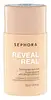 Key Ingredients
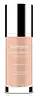
Benefits
Concerns
No concerns
Ingredients Side-by-side
Water
Skin ConditioningIsododecane
EmollientDimethicone
Emollient

CI 77891
Cosmetic ColorantAlcohol Denat.
Antimicrobial




Boron Nitride
Absorbent
Butylene Glycol
Humectant

PEG-10 Dimethicone
Skin Conditioning
Phenyl Trimethicone
Skin Conditioning
Disteardimonium Hectorite
StabilisingMagnesium Sulfate
Hydroxyacetophenone
Antioxidant
CI 77492
Cosmetic ColorantPEG/PPG-18/18 Dimethicone
Emulsifying
Dimethiconol
Emollient
Chlorphenesin
Antimicrobial
CI 77491
Cosmetic ColorantTropaeolum Majus Flower/Leaf/Stem Extract
Skin ConditioningTriethoxycaprylylsilane
Tetrasodium Glutamate Diacetate
1,2-Hexanediol
Skin Conditioning
Caprylyl Glycol
Emollient
CI 77499
Cosmetic ColorantWater, Isododecane, Dimethicone, CI 77891, Alcohol Denat., Boron Nitride, Butylene Glycol, PEG-10 Dimethicone, Phenyl Trimethicone, Disteardimonium Hectorite, Magnesium Sulfate, Hydroxyacetophenone, CI 77492, PEG/PPG-18/18 Dimethicone, Dimethiconol, Chlorphenesin, CI 77491, Tropaeolum Majus Flower/Leaf/Stem Extract, Triethoxycaprylylsilane, Tetrasodium Glutamate Diacetate, 1,2-Hexanediol, Caprylyl Glycol, CI 77499
Water
Skin ConditioningCyclopentasiloxane
Emollient
Dimethicone
Emollient
Diphenylsiloxy Phenyl Trimethicone
Skin Conditioning
Butylene Glycol
Humectant
Glycerin
Humectant
Dimethicone/PEG-10/15 Crosspolymer
Mica
Cosmetic ColorantPEG-9 Polydimethylsiloxyethyl Dimethicone
Emulsifying
Dimethicone/Vinyl Dimethicone Crosspolymer
Skin Conditioning
Acrylates/Dimethicone Copolymer
Skin Conditioning
Phenoxyethanol
Preservative
Magnesium Sulfate
Hydroxyethylcellulose
Emulsion StabilisingDisodium EDTA
Chlorphenesin
Antimicrobial
Sodium Hyaluronate
Humectant


Aluminum Dimyristate
Emulsion StabilisingTriethoxycaprylylsilane
Disodium Stearoyl Glutamate
CleansingTitanium Dioxide
Cosmetic Colorant

Iron Oxides
Water, Cyclopentasiloxane, Dimethicone, Diphenylsiloxy Phenyl Trimethicone, Butylene Glycol, Glycerin, Dimethicone/PEG-10/15 Crosspolymer, Mica, PEG-9 Polydimethylsiloxyethyl Dimethicone, Dimethicone/Vinyl Dimethicone Crosspolymer, Acrylates/Dimethicone Copolymer, Phenoxyethanol, Magnesium Sulfate, Hydroxyethylcellulose, Disodium EDTA, Chlorphenesin, Sodium Hyaluronate, Aluminum Dimyristate, Triethoxycaprylylsilane, Disodium Stearoyl Glutamate, Titanium Dioxide, Iron Oxides
Reviews
Ingredients Explained
These ingredients are found in both products.
Ingredients higher up in an ingredient list are typically present in a larger amount.
Butylene Glycol (or BG) is used within cosmetic products for a few different reasons:
Overall, Butylene Glycol is a safe and well-rounded ingredient that works well with other ingredients.
Though this ingredient works well with most skin types, some people with sensitive skin may experience a reaction such as allergic rashes, closed comedones, or itchiness.
Learn more about Butylene GlycolChlorphenesin is a synthetic preservative. It helps protect a product against bacteria in order to extend shelf life. In most cases, Chlorphenesin is paired with other preservatives such as phenoxyethanol and caprylyl glycol.
Chlorphenesin is a biocide. This means it is able to help fight the microorganisms on our skin. It is also able to fight odor-releasing bacteria.
Chlorphenesin is soluble in both water and glycerin.
Studies show Chlorphenesin is easily absorbed by our skin. You should speak with a skincare professional if you have concerns about using Chlorphenesin.
Learn more about ChlorphenesinDimethicone is a type of synthetic silicone created from natural materials such as quartz. It is also known as polydimethylsiloxane.
What it does:
Dimethicone comes in different viscosities:
Depending on the viscosity, dimethicone has different properties.
Ingredients lists don't always show which type is used, so we recommend reaching out to the brand if you have questions about the viscosity.
This ingredient is unlikely to cause irritation because it does not get absorbed into skin. However, people with silicone allergies should be careful about using this ingredient.
Note: Dimethicone may contribute to pilling. This is because it is not oil or water soluble, so pilling may occur when layered with products. When mixed with heavy oils in a formula, the outcome is also quite greasy.
Learn more about DimethiconeMagnesium Sulfate is a salt. More specifically, it is an epsom salt, or the bath salt used to help relieve muscle aches.
Despite having ‘sulfate’ in the name, it isn’t a surfactant or cleansing agent like sodium lauryl sulfate. Unlike those sulfates, magnesium sulfate doesn’t have the same cleansing or foaming properties (it's simply a type of salt).
In cosmetics, Magnesium Sulfate is used to thicken a product or help dilute other solids. It is a non-reactive and non-irritating ingredient.
One study shows magnesium deficiency may lead to inflammation of the skin. Applying magnesium topically may help reduce inflammation.
You can find this ingredient in sea water or mineral deposits.
Learn more about Magnesium SulfateTriethoxycaprylylsilane is a silicon-based surface modifier that makes sunscreens feel silky and makeup stay put.
Its main job is to coat mineral particles like titanium dioxide, zinc oxide, and color pigments in a thin, oily layer so they spread smoothly, don't clump, and stick to skin better.
This ingredient is typically used at low levels (up to 2.5% in eyeshadow and 1% in lipstick).
Learn more about TriethoxycaprylylsilaneWater. It's the most common cosmetic ingredient of all. You'll usually see it at the top of ingredient lists, meaning that it makes up the largest part of the product.
So why is it so popular? Water most often acts as a solvent - this means that it helps dissolve other ingredients into the formulation.
You'll also recognize water as that liquid we all need to stay alive. If you see this, drink a glass of water. Remember to stay hydrated!
Learn more about Water

