
What's inside
What's inside
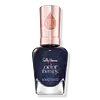 Key Ingredients
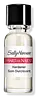
No key ingredients
Benefits
No benefits
Concerns
Ingredients Side-by-side
Butyl Acetate
MaskingEthyl Acetate
Perfuming

Nitrocellulose
Acetyl Tributyl Citrate
Masking
Tosylamide/Epoxy Resin
Isopropyl Alcohol
Solvent




Synthetic Fluorphlogopite
Silica
Abrasive


Styrene/Acrylates Copolymer
Stearalkonium Bentonite
Gel FormingTriphenyl Phosphate
Adipic Acid/Neopentyl Glycol/Trimellitic Anhydride Copolymer
Isosorbide Dicaprylate/Caprate
Ricinus Communis Seed Oil
Masking


Magnesium Silicate
AbsorbentCalcium Sodium Borosilicate
Etocrylene
UV AbsorberDiacetone Alcohol
MaskingTin Oxide
Abrasive
Hexanal
MaskingKaolin
Abrasive
Water
Skin ConditioningPhosphoric Acid
BufferingArgania Spinosa Kernel Oil
Emollient


Oenothera Biennis Oil
Emollient

Euterpe Oleracea Fruit Oil
Skin Conditioning
N-Butyl Alcohol
Perfuming
Helianthus Annuus Seed Oil
Emollient
Carthamus Tinctorius Seed Oil
Masking
Butylene Glycol
Humectant
Macrocystis Pyrifera Extract
Skin Conditioning
Hydrolyzed Conchiolin Protein
Skin ConditioningTocopherol
Antioxidant



Methylparaben
Preservative


Mica
Cosmetic ColorantCI 77891
Cosmetic ColorantCI 77007
Cosmetic ColorantCI 15850
Cosmetic ColorantCI 77742
Cosmetic ColorantCI 77000
Cosmetic ColorantCI 19140
Cosmetic ColorantIron Oxides
CI 15880
Cosmetic ColorantCI 77510
Cosmetic ColorantCI 42090
Cosmetic ColorantCI 60725
Cosmetic ColorantCI 77266
Cosmetic ColorantCI 12085
Cosmetic ColorantCI 47000
Cosmetic ColorantButyl Acetate, Ethyl Acetate, Nitrocellulose, Acetyl Tributyl Citrate, Tosylamide/Epoxy Resin, Isopropyl Alcohol, Synthetic Fluorphlogopite, Silica, Styrene/Acrylates Copolymer, Stearalkonium Bentonite, Triphenyl Phosphate, Adipic Acid/Neopentyl Glycol/Trimellitic Anhydride Copolymer, Isosorbide Dicaprylate/Caprate, Ricinus Communis Seed Oil, Magnesium Silicate, Calcium Sodium Borosilicate, Etocrylene, Diacetone Alcohol, Tin Oxide, Hexanal, Kaolin, Water, Phosphoric Acid, Argania Spinosa Kernel Oil, Oenothera Biennis Oil, Euterpe Oleracea Fruit Oil, N-Butyl Alcohol, Helianthus Annuus Seed Oil, Carthamus Tinctorius Seed Oil, Butylene Glycol, Macrocystis Pyrifera Extract, Hydrolyzed Conchiolin Protein, Tocopherol, Methylparaben, Mica, CI 77891, CI 77007, CI 15850, CI 77742, CI 77000, CI 19140, Iron Oxides, CI 15880, CI 77510, CI 42090, CI 60725, CI 77266, CI 12085, CI 47000

Reviews
Ingredients Explained
These ingredients are found in both products.
Ingredients higher up in an ingredient list are typically present in a larger amount.
We don't have a description for Adipic Acid/Neopentyl Glycol/Trimellitic Anhydride Copolymer yet.
We don't have a description for Butyl Acetate yet.
This synthetic colorant is used to add a violet color to products. It is water-soluble.
Ethyl Acetate is a fragrance.
Isopropyl Alcohol is a small, fast-evaporating alcohol.
Formulators use it as a solvent, a way to think out thick liquids, an antifoaming agent, and occasionally a fragrance ingredient.
Reported use concentrations run from 0.002%-100% and any number over 50% usually comes from a nail product.
Actual skincare numbers run much lower: cleansers (0.3-26%), toners (0.07-7%), face moisturizers (0.04-0.2%).
The Cosmetic Ingredient Review Expert Panel reviewed it and concluded it is safe in the present practices of use and the International Agency for Research on Cancer classifies it as a non-carcinogenic to humans.
True allergy to this ingredient is uncommon but real: 44 out of 1,450 patients patch tested between 1992-2011 reacted with most cases clustering in people with leg ulcers, occupational hand eczema, or repeated use of Isopropyl Alcohol on already-broken skin.
Irritation and dryness are far more likely than allergy; before you throw away your skincare, just know this is dose-dependent and the risk is modest.
The irritant potential of the alcohols used in hand antiseptics is very low and skin irritation is significantly lower after alcohol application than after detergents (though isopropanol is somewhat more irritating than ethanol).
A 70% solution was a severe eye irritant in rabbit eye tests so the industry keeps this ingredient at low percentages in eye-area products.
One genuine caution: a 70% solution was a severe eye irritant in rabbit eye tests, so it belongs at low percentages in eye-area products, which is where the industry already keeps it.
According to the National Rosacea Society based in the US, you should be mindful of products with these alcohols in the top half of ingredients.
Learn more about Isopropyl AlcoholN-Butyl Alcohol is a fragrance and is an alcohol.
We don't have a description for Nitrocellulose yet.


