

What's inside
What's inside
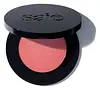 Key Ingredients
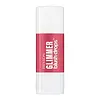
Benefits
Concerns
Ingredients Side-by-side
Caprylic/Capric Triglyceride
Masking


Octyldodecanol
Emollient
Calcium Sodium Borosilicate
Mica
Cosmetic ColorantSynthetic Fluorphlogopite
Helianthus Annuus Seed Cera
Emollient

Synthetic Beeswax
Emulsion Stabilising
Silica
Abrasive


Tin Oxide
Abrasive
Aleurites Moluccanus Seed Oil
Skin Conditioning
Passiflora Edulis Seed Oil
Emollient
Ethylhexyl Palmitate
Emollient


Helianthus Annuus Seed Oil
Emollient
Victoria Amazonica Flower Extract
Skin ConditioningTrihydroxystearin
Skin Conditioning
Sodium Hyaluronate
Humectant


Glucomannan
Skin ConditioningCI 77891
Cosmetic ColorantCI 77491
Cosmetic ColorantCI 77492
Cosmetic ColorantCI 77499
Cosmetic ColorantCI 77510
Cosmetic ColorantCI 15850
Cosmetic ColorantCaprylic/Capric Triglyceride, Octyldodecanol, Calcium Sodium Borosilicate, Mica, Synthetic Fluorphlogopite, Helianthus Annuus Seed Cera, Synthetic Beeswax, Silica, Tin Oxide, Aleurites Moluccanus Seed Oil, Passiflora Edulis Seed Oil, Ethylhexyl Palmitate, Helianthus Annuus Seed Oil, Victoria Amazonica Flower Extract, Trihydroxystearin, Sodium Hyaluronate, Glucomannan, CI 77891, CI 77491, CI 77492, CI 77499, CI 77510, CI 15850
Water
Skin ConditioningSilica
Abrasive
Glycerin
Humectant
Methylpropanediol
SolventSynthetic Fluorphlogopite
Trimethylsiloxyphenyl Dimethicone

PEG-60 Hydrogenated Castor Oil
Emulsifying
Ceramide NP
Skin Conditioning

Disodium Coco-Glucoside Citrate
Emulsifying
Ethylhexyl Palmitate
Emollient
Lycium Barbarum Fruit Extract
Astringent
Mica
Cosmetic ColorantSodium Hyaluronate
Humectant
Tin Oxide
Abrasive
Trihydroxystearin
Skin Conditioning
Xanthan Gum
EmulsifyingPhenoxyethanol
Preservative
Potassium Sorbate
Preservative
Sorbic Acid
Preservative
CI 77491
Cosmetic ColorantCI 77492
Cosmetic ColorantCI 15850
Cosmetic ColorantCI 77891
Cosmetic ColorantWater, Silica, Glycerin, Methylpropanediol, Synthetic Fluorphlogopite, Trimethylsiloxyphenyl Dimethicone, PEG-60 Hydrogenated Castor Oil, Ceramide NP, Disodium Coco-Glucoside Citrate, Ethylhexyl Palmitate, Lycium Barbarum Fruit Extract, Mica, Sodium Hyaluronate, Tin Oxide, Trihydroxystearin, Xanthan Gum, Phenoxyethanol, Potassium Sorbate, Sorbic Acid, CI 77491, CI 77492, CI 15850, CI 77891
Reviews
Ingredients Explained
These ingredients are found in both products.
Ingredients higher up in an ingredient list are typically present in a larger amount.
Ci 15850 is the pigment color red. It is an azo dye and created synthetically.
Azo dyes need to be thoroughly purified before use. This allows them to be more stable and longer-lasting.
This ingredient is common in foundations, lipsticks, and blushes. This color is described as brown/orangey red.
It has many secondary names such as Red 6 and Red 7. According to a manufacturer, Red 6 usually contains aluminum.
Learn more about CI 15850Ci 77491 is also hydrated iron III oxide. It's sole purpose is to give a red/pink hue to products.
Iron III oxides are classified as inorganic chemicals for coloring.
Synthetically created Ci 77491 is considered safer than those naturally found. This is because the synthetically created version may contain less impurities. Iron oxides are generally non-toxic and non-allergenic.
Learn more about CI 77491CI 77492 is also hydrated iron III oxide. It's sole purpose is to give a yellow hue to products.
Iron III oxides are classified as inorganic chemicals for coloring.
Synthetically created CI 77492 is considered safer than those naturally found. This is because the synthetically created version may contain less impurities. Iron oxides are generally non-toxic and non-allergenic.
Learn more about CI 77492Ci 77891 is a white pigment from Titanium dioxide. It is naturally found in minerals such as rutile and ilmenite.
It's main function is to add a white color to cosmetics. It can also be mixed with other colors to create different shades.
Ci 77891 is commonly found in sunscreens due to its ability to block UV rays.
Learn more about CI 77891Ethylhexyl Palmitate, also known as octyl palmitate, is created from 2-ethylhexyl alcohol and palmitic acid.
In cosmetics, it plays many roles:
One thing worth noting: a controlled study found this ingredient applied under occlusion to acne-prone subjects increased microcomedones. Just keep in mind this was under occlusive conditions and don't reflect how most products are used day-to-day.
For most people, this is a well-tolerated and lightweight ingredient.
This ingredient may not be fungal acne safe because it is an ester of palmitic acid, a C16 fatty acid that falls within the C11-24 range that Malassezia can metabolize.
You'll see this one rated 4 comedogenic all over the internet. That number isn't from a single study, and the actual research is more interesting.
The original rating comes from 1980s rabbit ear tests (which are a shaky basis for anything). But Ethylhexyl Palmitate is one of the few ingredients with real human data behind it. A 2021 controlled trial found this ingredient increased microcomedones by an average of 365% over four weeks.
Just know that test used the pure ingredient under an occlusive pad on back skin; most products use it at much lower levels alongside other ingredients and plenty of people use those with no issue.
Learn more about Ethylhexyl PalmitateMica is a naturally occurring mineral used to add shimmer and color in cosmetics. It can also help improve the texture of a product or give it an opaque, white/silver color.
Serecite is the name for very fine but ragged grains of mica.
This ingredient is often coated with metal oxides like titanium dioxide. Trace amounts of heavy metals may be found in mica, but these metals are not harmful in our personal products.
Mica has been used since prehistoric times throughout the world. Ancient Egyptian, Indian, Greek, Roman, Aztec, and Chinese civilizations have used mica.
Learn more about MicaSilica, also known as silicon dioxide, is a naturally occurring mineral. It is used as a fine, spherical, and porous powder in cosmetics.
Though it has exfoliant properties, the function of silica varies depending on the product.
The unique structure of silica enhances the spreadability and adds smoothness, making it a great texture enhancer.
It is also used as an active carrier, emulsifier, and mattifier due to its ability to absorb excess oil.
In some products, tiny microneedles called spicules are made from silica or hydrolyzed sponge. When you rub them in, they lightly polish away dead skin layers and enhance the penetration of active ingredients.
Learn more about SilicaSodium Hyaluronate is the salt form of hyaluronic acid. It is a long sugar chain that is naturally found in your skin, joints, and connective tissue that maintains hydration and elasticity.
In skincare, it works as a humectant. It pulls water from the environment and deeper layers of skin and binds it to the surface.
Interestingly, the size of the molecule affects its behavior:
Some clinical evidence links low molecular weight versions to improved wrinkle depth, elasticity, anti-inflammatory effects, and barrier repair.
Many serums use a blend of both weights so you can get surface hydration plus longer-lasting and deeper effects.
You'll typically see concentrations between 0.1-2% for this ingredient.
Learn more about Sodium HyaluronateSynthetic Fluorphlogopite is the synthethic version of mica. It consists of fluorine, aluminum and silicate.
Synthetic Fluorphlogopite is used to add volume to products.
It is considered non-irritating on the skin.
Learn more about Synthetic FluorphlogopiteTin Oxide is an inorganic oxide used to add opacity and volume to a product. In nature, it is already found in mineral form. The main ore of tin is an opaque and shiny mineral called casseterite.
Tin Oxide helps remove translucency in a product, or make it more opaque. Besides adding opacity, tin oxide is used for bulking to add volume.
Trihydroxystearin is what you get when you fully hydrogenate castor oil into a waxy, fine powder.
It's mostly a behind-the-scenes texture enhancer that's especially good at "thixotropic" thing where the product stays thick but applies nicely.
Because of its structure, it also acts as a mild skin conditioning emollient that helps soften skin while preventing moisture loss.
Safety studies show it to be safe and non-irritation in clinical tests. It's typically used in concentrations up to 5%.
Since its an ester of a C18 fatty acid, it falls into the C11-24 range that Malassezia can potentially feed on. This makes it not fungal-acne safe.
Learn more about Trihydroxystearin

