
What's inside
What's inside
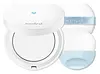 Key Ingredients

Benefits
Concerns
Ingredients Side-by-side
Talc
Abrasive
Silica
Abrasive

Methyl Methacrylate Crosspolymer
Dimethicone
Emollient

Caprylic/Capric Triglyceride
Masking


Nylon-12

Mica
Cosmetic ColorantCI 77492
Cosmetic ColorantDiisostearyl Malate
EmollientTriethylhexanoin
MaskingCI 77891
Cosmetic ColorantCI 77491
Cosmetic ColorantDimethiconol Stearate
EmollientCI 77499
Cosmetic ColorantSynthetic Beeswax
Emulsion Stabilising

Glyceryl Caprylate
EmollientEthylhexylglycerin
Skin ConditioningAllantoin
Skin Conditioning

Methicone
Emollient
Propanediol
Solvent
Pentylene Glycol
Skin Conditioning
Tocopheryl Acetate
Antioxidant


Pinus Sylvestris Leaf Extract
TonicCocos Nucifera Fruit Extract
Emollient

Amethyst Powder
Abrasive
Water
Skin ConditioningButylene Glycol
Humectant
1,2-Hexanediol
Skin Conditioning
Hydrogenated Lecithin
Emulsifying
Citrus Junos Fruit Extract
Skin ConditioningCitrus Limon Fruit Extract
Masking
Talc, Silica, Methyl Methacrylate Crosspolymer, Dimethicone, Caprylic/Capric Triglyceride, Nylon-12, Mica, CI 77492, Diisostearyl Malate, Triethylhexanoin, CI 77891, CI 77491, Dimethiconol Stearate, CI 77499, Synthetic Beeswax, Glyceryl Caprylate, Ethylhexylglycerin, Allantoin, Methicone, Propanediol, Pentylene Glycol, Tocopheryl Acetate, Pinus Sylvestris Leaf Extract, Cocos Nucifera Fruit Extract, Amethyst Powder, Water, Butylene Glycol, 1,2-Hexanediol, Hydrogenated Lecithin, Citrus Junos Fruit Extract, Citrus Limon Fruit Extract
Reviews
Ingredients Explained
These ingredients are found in both products.
Ingredients higher up in an ingredient list are typically present in a larger amount.
1,2-Hexanediol is a synthetic liquid and another multi-functional powerhouse.
It is a:
- Humectant, drawing moisture into the skin
- Emollient, helping to soften skin
- Solvent, dispersing and stabilizing formulas
- Preservative booster, enhancing the antimicrobial activity of other preservatives
Dimethicone is a type of synthetic silicone created from natural materials such as quartz. It is also known as polydimethylsiloxane.
What it does:
Dimethicone comes in different viscosities:
Depending on the viscosity, dimethicone has different properties.
Ingredients lists don't always show which type is used, so we recommend reaching out to the brand if you have questions about the viscosity.
This ingredient is unlikely to cause irritation because it does not get absorbed into skin. However, people with silicone allergies should be careful about using this ingredient.
Note: Dimethicone may contribute to pilling. This is because it is not oil or water soluble, so pilling may occur when layered with products. When mixed with heavy oils in a formula, the outcome is also quite greasy.
Learn more about DimethiconeMica is a naturally occurring mineral used to add shimmer and color in cosmetics. It can also help improve the texture of a product or give it an opaque, white/silver color.
Serecite is the name for very fine but ragged grains of mica.
This ingredient is often coated with metal oxides like titanium dioxide. Trace amounts of heavy metals may be found in mica, but these metals are not harmful in our personal products.
Mica has been used since prehistoric times throughout the world. Ancient Egyptian, Indian, Greek, Roman, Aztec, and Chinese civilizations have used mica.
Learn more about MicaSilica, also known as silicon dioxide, is a naturally occurring mineral. It is used as a fine, spherical, and porous powder in cosmetics.
Though it has exfoliant properties, the function of silica varies depending on the product.
The unique structure of silica enhances the spreadability and adds smoothness, making it a great texture enhancer.
It is also used as an active carrier, emulsifier, and mattifier due to its ability to absorb excess oil.
In some products, tiny microneedles called spicules are made from silica or hydrolyzed sponge. When you rub them in, they lightly polish away dead skin layers and enhance the penetration of active ingredients.
Learn more about SilicaTalc is a clay mineral. It helps absorb moisture and improve the texture of products. Like other types of clay, Talc can have a slight exfoliating effect on skin. Talc can be added to increase the volume of products.
Some Baby powders are made by combining talc with corn starch. The word "talc" comes from Latin and originates from Arabic. Talc is a mineral commonly found throughout the world.
If you have any concerns about using talc, we recommend checking out the FDA's official page.
Learn more about Talc

