

What's inside
What's inside
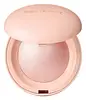 Key Ingredients
Benefits
Concerns
Ingredients Side-by-side
Mica
Cosmetic ColorantSynthetic Fluorphlogopite
Titanium Dioxide
Cosmetic Colorant

Cetearyl Ethylhexanoate
Emollient

Pentylene Glycol
Skin Conditioning
Triethoxycaprylylsilane

Silica
Abrasive


Glycerin
Humectant

Gellan Gum
Squalane
Emollient
Octyldodecyl Stearoyl Stearate
Emollient
Hydrogenated Lecithin
Emulsifying
Polysorbate 80
Emulsifying
Caprylyl Glycol
Emollient
Glyceryl Caprylate
EmollientChondrus Crispus Powder
Abrasive

Tin Oxide
Abrasive
Tocopherol
Antioxidant




Disodium EDTA
ChelatingCI 75470
Cosmetic ColorantMica, Synthetic Fluorphlogopite, Titanium Dioxide, Cetearyl Ethylhexanoate, Pentylene Glycol, Triethoxycaprylylsilane, Silica, Glycerin, Gellan Gum, Squalane, Octyldodecyl Stearoyl Stearate, Hydrogenated Lecithin, Polysorbate 80, Caprylyl Glycol, Glyceryl Caprylate, Chondrus Crispus Powder, Tin Oxide, Tocopherol, Disodium EDTA, CI 75470
Reviews
Ingredients Explained
These ingredients are found in both products.
Ingredients higher up in an ingredient list are typically present in a larger amount.
Caprylyl Glycol is a humectant, skin conditioner, emollient, and preservative booster derived from either caprylic acid or synthetically created.
Typical use levels vary from 0.3-1% as a preservative booster and go up to 2% to condition skin.
Because it is not a free-fatty acid, this ingredient is fungal acne safe (there's nothing for Malassezia to feed on).
Learn more about Caprylyl GlycolOctyldodecyl Stearoyl Stearate is an emollient ester that mostly shows up in color cosmetics.
Functionally, it works as a skin-conditioning agent and a viscosity-increasing agent. This just means it helps soften skin while also thickening water-free formulas (like powders).
Despite being a "stearate", it has a lightweight, cushiony, and non-greasy slip.
This ingredient has shown no adverse effects in testing and is deemed safe in cosmetics at current use levels.
Typical concentrations range from 0.7-23%.
Because it is made of C-18 fatty acids (like stearic acid), this ingredient may not be fungal acne safe.
Learn more about Octyldodecyl Stearoyl StearateSilica, also known as silicon dioxide, is a naturally occurring mineral. It is used as a fine, spherical, and porous powder in cosmetics.
Though it has exfoliant properties, the function of silica varies depending on the product.
The unique structure of silica enhances the spreadability and adds smoothness, making it a great texture enhancer.
It is also used as an active carrier, emulsifier, and mattifier due to its ability to absorb excess oil.
In some products, tiny microneedles called spicules are made from silica or hydrolyzed sponge. When you rub them in, they lightly polish away dead skin layers and enhance the penetration of active ingredients.
Learn more about SilicaSynthetic Fluorphlogopite is the synthethic version of mica. It consists of fluorine, aluminum and silicate.
Synthetic Fluorphlogopite is used to add volume to products.
It is considered non-irritating on the skin.
Learn more about Synthetic FluorphlogopiteTin Oxide is an inorganic oxide used to add opacity and volume to a product. In nature, it is already found in mineral form. The main ore of tin is an opaque and shiny mineral called casseterite.
Tin Oxide helps remove translucency in a product, or make it more opaque. Besides adding opacity, tin oxide is used for bulking to add volume.


