Pixi Beauty Detoxifeye Serum Versus L'Oreal Revitalift 2.5% Hyaluronic Acid + Caffeine Under Eye Serum
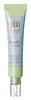
This anti-aging eye moisturizer is formulated around Anthemis Nobilis Flower Water and Caffeine to soften the look of wrinkles and calm redness.
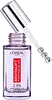
This anti-aging eye moisturizer is formulated around Niacinamide and Sodium Hyaluronate to soften the look of wrinkles and hydrate skin.


What's inside
What's inside
 Key Ingredients
Benefits
Concerns
No concerns
Ingredients Side-by-side
Anthemis Nobilis Flower Water
Masking

Glycerin
Humectant


Water
Skin ConditioningPropanediol
Solvent
1,2-Hexanediol
Skin Conditioning
Arginine
Masking
Caffeine
Skin Conditioning
Cucumis Sativus Fruit Extract
Emollient
Glycyrrhiza Glabra Root Extract
Bleaching

Adenosine
Skin Conditioning
Hyaluronic Acid
Humectant
Palmitoyl Tripeptide-5
Skin Conditioning

Sh-Oligopeptide-1
Skin Conditioning
Sh-Oligopeptide-2
Skin Conditioning
Sh-Polypeptide-1
Skin Conditioning
Sh-Polypeptide-22
Skin Conditioning
Sh-Polypeptide-3
Skin Conditioning
Acrylates/C10-30 Alkyl Acrylate Crosspolymer
Emulsion StabilisingPolyglyceryl-10 Laurate
Skin Conditioning

Ethylhexylglycerin
Skin ConditioningGlyceryl Acrylate/Acrylic Acid Copolymer
HumectantHydroxyethylcellulose
Emulsion StabilisingPvm/Ma Copolymer
Emulsion StabilisingPhenoxyethanol
Preservative
Anthemis Nobilis Flower Water, Glycerin, Water, Propanediol, 1,2-Hexanediol, Arginine, Caffeine, Cucumis Sativus Fruit Extract, Glycyrrhiza Glabra Root Extract, Adenosine, Hyaluronic Acid, Palmitoyl Tripeptide-5, Sh-Oligopeptide-1, Sh-Oligopeptide-2, Sh-Polypeptide-1, Sh-Polypeptide-22, Sh-Polypeptide-3, Acrylates/C10-30 Alkyl Acrylate Crosspolymer, Polyglyceryl-10 Laurate, Ethylhexylglycerin, Glyceryl Acrylate/Acrylic Acid Copolymer, Hydroxyethylcellulose, Pvm/Ma Copolymer, Phenoxyethanol








Reviews
Ingredients Explained
These ingredients are found in both products.
Ingredients higher up in an ingredient list are typically present in a larger amount.
Caffeine is a naturally occurring plant compound found in coffee beans, tea leaves, cocoa pods, and guarana.
As an antioxidant, caffeine protects your skin from free radical damage caused by UV exposure and envionrmnetal stressors.
Early research also shows that caffeine can help calm redness, soothe irritated skin, and support hair growth by stimulating microcirculation in the scalp.
You might have seen eye creams marketing caffeine as a depuffing ingredient. This is because it is a vasoconstrictor meaning it can temporarily constrict blood vessels, though clinical evidence for this specific use is still limited.
Most skincare products contain this ingredient at concentrations between 1-6%. It is able to penetrate skin easily regardless of skin type or thickness.
Just so you know, a very small number of case reports describe caffeine-induced allergy. This ingredient is generally well-tolerated, non-irritating, and non-sensitizing for the majority of people.
Learn more about CaffeineGlycerin (or glycerol) is a compound naturally found in your skin. It's a powerhouse humectant that pulls water into the stratum corneum.
Topically, glycerin does several things at once:
Your skin makes glycerin on its own (mostly from sebaceous oil breakdown) and shuttles it to your outermost layer of skin, or your epidermis, via aquaporin-3.
Aquaporin-3 is a transporter that is essential for normal skin hydration, elasticity, and repair. Interestingly, mice lacking in AQP3 have dry and less elastic skin that can be fully corrected with glycerin.
This ingredient is non-irritating, plays well with almost every ingredient, and works across all skin types. Typical use is anywhere between 3-10% but can go up to 79% in some leave-on products.
Just know very high concentrations (>40%) can feel tacky in low humidity.
Glycerin is the name for this ingredient in American English. British English uses Glycerol/Glycerine.
Learn more about GlycerinWater. It's the most common cosmetic ingredient of all. You'll usually see it at the top of ingredient lists, meaning that it makes up the largest part of the product.
So why is it so popular? Water most often acts as a solvent - this means that it helps dissolve other ingredients into the formulation.
You'll also recognize water as that liquid we all need to stay alive. If you see this, drink a glass of water. Remember to stay hydrated!
Learn more about Water

