One/Size by Patrick Starrr Ultimate Blurring Setting Powder Versus One/Size by Patrick Starrr Turn Up The Base Versatile Powder Foundation

What's inside
What's inside
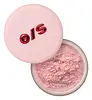 Key Ingredients
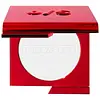
Benefits
Concerns
Ingredients Side-by-side
Talc
Abrasive
Calcium Sodium Borosilicate
Magnesium Myristate


Nylon-12


Caprylic/Capric Triglyceride
Masking


Ethylhexyl Palmitate
Emollient


Zea Mays Starch
Absorbent
Phenoxyethanol
Preservative
Caprylyl Glycol
Emollient
Lauroyl Lysine
Skin Conditioning
Sodium Dehydroacetate
Preservative
Trimethylsiloxysilicate
Emollient
Polymethyl Methacrylate
Ascorbyl Palmitate
Antioxidant



Methicone
Emollient
Iron Oxides
CI 19140
Cosmetic ColorantCI 77007
Cosmetic ColorantCI 73360
Cosmetic ColorantTalc, Calcium Sodium Borosilicate, Magnesium Myristate, Nylon-12, Caprylic/Capric Triglyceride, Ethylhexyl Palmitate, Zea Mays Starch, Phenoxyethanol, Caprylyl Glycol, Lauroyl Lysine, Sodium Dehydroacetate, Trimethylsiloxysilicate, Polymethyl Methacrylate, Ascorbyl Palmitate, Methicone, Iron Oxides, CI 19140, CI 77007, CI 73360
Talc
Abrasive
Kaolin
Abrasive

Nylon-12
Mica
Cosmetic ColorantMagnesium Myristate
Boron Nitride
Absorbent
Dimethicone
Emollient
Isoamyl Laurate
Emollient
CI 77120
Cosmetic ColorantZinc Stearate
Cosmetic ColorantPhenyl Trimethicone
Skin Conditioning
1,2-Hexanediol
Skin Conditioning
Caprylyl Glycol
Emollient
Polyester-4
Skin ConditioningDimethiconol
Emollient
Oryza Sativa Hull Powder
Abrasive
CI 77491
Cosmetic ColorantCI 77492
Cosmetic ColorantCI 77499
Cosmetic ColorantCI 77891
Cosmetic ColorantCI 19140
Cosmetic Colorant
Reviews
Ingredients Explained
These ingredients are found in both products.
Ingredients higher up in an ingredient list are typically present in a larger amount.
Caprylyl Glycol is a humectant, skin conditioner, emollient, and preservative booster derived from either caprylic acid or synthetically created.
Typical use levels vary from 0.3-1% as a preservative booster and go up to 2% to condition skin.
Because it is not a free-fatty acid, this ingredient is fungal acne safe (there's nothing for Malassezia to feed on).
Learn more about Caprylyl GlycolCI 19140 is also known as Tartrazine. Tartrazine is a synthetic dye used in cosmetics, foods, and medicine to add a yellow color.
Tartrazine is created from petroleum and is water-soluble.
Some people may experience allergies from this dye, especially asthmatics and those with an aspirin intolerance.
Learn more about CI 19140Magnesium Myristate is the magnesium salt of myristic acid, a saturated fatty acid that is naturally found in coconut and palm kernel oil.
In formulas, it's used as an anticaker, opacifier, and viscosity controller; it improves adhesion and glide in pressed mineral makeup, works as a non-gelling thickener in eyeliners/mascaras/lipsticks, and doubles as a white opacifier.
There's no published concentration use from surveys so the best available numbers are supplier guidance: 5-10% for loose powders and 2-5% for creamy cosmetics + pressed powder binding.
The CIR Expert Panel reviewed Magnesium Myristate as part of its assessment of myristic acid and its salts and esters, and concluded the whole group is safe as used in cosmetics.
In human studies, Myristic Acid was non-irritating up to 50% and 100% Magnesium Stearate was non-irritating and non-corrosive on skin and non-irritating to the eye.
There are no published contact allergy case reports for this ingredient so allergy risk is low, but not zero for any ingredient.
There is no comedogenic data for Magnesum Myristate. The comedogenic ratings that circulate for "myristates" come from Isopropyl Myristate which is a structurally different ester.
The rabbit-ear models those comedogenic ratings come from have been shown to be unreliable for predicting whether a finished product will clog pores.
Human testing has proved that any finished product with a comedogenic ingredient won't automatically make you break out; it really comes down to concentration, formula, and your skin.
Some people still find it breaks them out. So if that's you, definitely trust your skin.
Learn more about Magnesium MyristateNylon-12 is a polymer. It is derived from 12-aminododecanoic acid, an omega-amino fatty acid
According to a manufacturer, it is a talc substitute. Like talc, nylon-12 gives products a satin feel. The manufacturer also claims this ingredients does not block pores and has moderate oil absorption.
This ingredient may not be reef-safe.
Learn more about Nylon-12Talc is a clay mineral. It helps absorb moisture and improve the texture of products. Like other types of clay, Talc can have a slight exfoliating effect on skin. Talc can be added to increase the volume of products.
Some Baby powders are made by combining talc with corn starch. The word "talc" comes from Latin and originates from Arabic. Talc is a mineral commonly found throughout the world.
If you have any concerns about using talc, we recommend checking out the FDA's official page.
Learn more about Talc

