
What's inside
What's inside
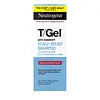 Key Ingredients
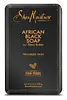
Benefits
Concerns
Ingredients Side-by-side
Water
Skin ConditioningSodium C14-16 Olefin Sulfonate
Cleansing

Cocamidopropyl Betaine
Cleansing

Salicylic Acid
Masking







Sodium Methyl Cocoyl Taurate
Cleansing
Sodium Chloride
MaskingPolyquaternium-22
Piroctone Olamine
Preservative
Sodium Citrate
BufferingLinoleamidopropyl Pg-Dimonium Chloride Phosphate
Propylene Glycol
Humectant
Citric Acid
Buffering
Sodium Bicarbonate
Abrasive
Sodium Hydroxide
BufferingHexylene Glycol
EmulsifyingTocopheryl Acetate
Antioxidant

Water, Sodium C14-16 Olefin Sulfonate, Cocamidopropyl Betaine, Salicylic Acid, Sodium Methyl Cocoyl Taurate, Sodium Chloride, Polyquaternium-22, Piroctone Olamine, Sodium Citrate, Linoleamidopropyl Pg-Dimonium Chloride Phosphate, Propylene Glycol, Citric Acid, Sodium Bicarbonate, Sodium Hydroxide, Hexylene Glycol, Tocopheryl Acetate
Sodium Palmate
CleansingSodium Cocoate
Cleansing
Sodium Palm Kernelate
CleansingWater
Skin ConditioningGlycerin
Humectant

Parfum
Masking

Butyrospermum Parkii Butter
Skin Conditioning


Sodium Chloride
MaskingAvena Sativa Kernel Meal
Abrasive
Aloe Barbadensis Leaf Juice
Skin Conditioning

Plantago Major Leaf Extract
Skin ConditioningTocopheryl Acetate
Antioxidant
Rosmarinus Officinalis Leaf Extract
AntimicrobialTetrasodium Etidronate
ChelatingCharcoal
Abrasive
Pentasodium Pentetate
ChelatingIron Oxides
Sodium Palmate, Sodium Cocoate, Sodium Palm Kernelate, Water, Glycerin, Parfum, Butyrospermum Parkii Butter, Sodium Chloride, Avena Sativa Kernel Meal, Aloe Barbadensis Leaf Juice, Plantago Major Leaf Extract, Tocopheryl Acetate, Rosmarinus Officinalis Leaf Extract, Tetrasodium Etidronate, Charcoal, Pentasodium Pentetate, Iron Oxides
Reviews
Ingredients Explained
These ingredients are found in both products.
Ingredients higher up in an ingredient list are typically present in a larger amount.
Chances are, you eat sodium chloride every day. Sodium Chloride is also known as table salt. This ingredient has many purposes in skincare: thickener, emulsifier, and exfoliator.
You'll most likely find this ingredient in cleansers where it is used to create a gel-like texture. As an emulsifier, it also prevents ingredients from separating.
You might see people debate whether Sodium Chloride is comedogenic, but there actually haven't been any comedogenic tests done on it. Either way, the overall formulation of a product matters a lot more than any single ingredient.
You might see this ingredient used in scrubs as a primary exfoliating ingredient.
Learn more about Sodium ChlorideTocopheryl Acetate is a stable, shelf-friendly form of vitamin E.
Formulators love it because plain vitamin E oxidizes quickly once it hits air. This acetate version stays stable and resists going off, helping to extend a product's shelf life.
It's actually inactive on its own and works like a slow-release "storage" form; the enzymes in your skin called esterases gradually convert it into active vitamin E over time.
One in vivo study showed 5% of the acetate in the living layer of the epidermis converted to vitamin E after 5 days of application. This study also found the skin gained protection against UV damage even though the conversion was slow and small.
Once converted, vitamin E acts as a skin's main fat-soluble antioxidant that fights free radicals to protect skin from damage.
Topical vitamin E generally boosts the skin's photoprotection, and it reduced UV-damage in animal models.
This ingredient has some brightening potential but it's more of a prevention ingredient than spot-fader. Cell studies show it can slow down melanin production but it's worth noting that it's not the most powerful brightener out there.
Overall, it has a pretty solid safety profile and has been found to be non-irritating and non-comedogenic. Allergic reactions may happen but stay rare due to how widely the ingredient gets used.
The concentration will vary depending on the formula; industry data shows 0.1% in baby lotions, 3% in lipsticks, and 5% in foot powders. You can also find this ingredient at 100% in a pure vitamin E oil.
Most leave-on skincare keeps it at the lower end, often between 0.5-1%.
Learn more about Tocopheryl AcetateWater. It's the most common cosmetic ingredient of all. You'll usually see it at the top of ingredient lists, meaning that it makes up the largest part of the product.
So why is it so popular? Water most often acts as a solvent - this means that it helps dissolve other ingredients into the formulation.
You'll also recognize water as that liquid we all need to stay alive. If you see this, drink a glass of water. Remember to stay hydrated!
Learn more about Water



