Neutrogena Oil-Free Acne Wash With Salicylic Acid Versus Neutrogena Pink Grapefruit Oil-Free Acne Wash
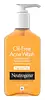
This salicylic acid gel cleanser is formulated around Salicylic Acid to clear breakouts and unclog pores.
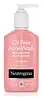
This salicylic acid foaming cleanser is formulated around Salicylic Acid to clear breakouts and unclog pores.

What's inside
What's inside
 Key Ingredients
Benefits
Concerns
Ingredients Side-by-side
Salicylic Acid 2%
Masking










Water
Skin ConditioningCocamidopropyl Hydroxysultaine
Cleansing
Sodium Methyl Cocoyl Taurate
Cleansing
Glycerin
Humectant


Sodium Chloride
MaskingSodium Hydrolyzed Potato Starch Dodecenylsuccinate
Foam BoostingPanthenol
Skin Conditioning

Chamomilla Recutita Flower Extract
Masking
PEG-120 Methyl Glucose Dioleate
Emulsifying
Cocamidopropyl Pg-Dimonium Chloride Phosphate
C12-15 Alkyl Lactate
EmollientBenzalkonium Chloride
Antimicrobial
Disodium EDTA
ChelatingSodium Hydroxide
BufferingSalicylic Acid 2%, Water, Cocamidopropyl Hydroxysultaine, Sodium Methyl Cocoyl Taurate, Glycerin, Sodium Chloride, Sodium Hydrolyzed Potato Starch Dodecenylsuccinate, Panthenol, Chamomilla Recutita Flower Extract, PEG-120 Methyl Glucose Dioleate, Cocamidopropyl Pg-Dimonium Chloride Phosphate, C12-15 Alkyl Lactate, Benzalkonium Chloride, Disodium EDTA, Sodium Hydroxide
Salicylic Acid 2%
Masking
Water
Skin ConditioningSodium C14-16 Olefin Sulfonate
Cleansing
Cocamidopropyl Betaine
Cleansing
Sodium Chloride
MaskingPEG-120 Methyl Glucose Dioleate
Emulsifying
Polysorbate 20
Emulsifying
Linoleamidopropyl Pg-Dimonium Chloride Phosphate
Propylene Glycol
Humectant
PEG-80 Sorbitan Laurate
Surfactant
Parfum
Masking

Disodium EDTA
ChelatingBenzalkonium Chloride
Antimicrobial
C12-15 Alkyl Lactate
EmollientPolyquaternium-7
Sodium Benzotriazolyl Butylphenol Sulfonate
UV AbsorberCocamidopropyl Pg-Dimonium Chloride Phosphate
Ascorbyl Palmitate
Antioxidant

Aloe Barbadensis Leaf Extract
Emollient
Anthemis Nobilis Flower Extract
Masking
Chamomilla Recutita Flower Extract
Masking
Citrus Grandis Fruit Extract
Astringent
Citric Acid
Buffering
Sodium Hydroxide
BufferingCI 16035
Cosmetic ColorantCI 60725
Cosmetic ColorantSalicylic Acid 2%, Water, Sodium C14-16 Olefin Sulfonate, Cocamidopropyl Betaine, Sodium Chloride, PEG-120 Methyl Glucose Dioleate, Polysorbate 20, Linoleamidopropyl Pg-Dimonium Chloride Phosphate, Propylene Glycol, PEG-80 Sorbitan Laurate, Parfum, Disodium EDTA, Benzalkonium Chloride, C12-15 Alkyl Lactate, Polyquaternium-7, Sodium Benzotriazolyl Butylphenol Sulfonate, Cocamidopropyl Pg-Dimonium Chloride Phosphate, Ascorbyl Palmitate, Aloe Barbadensis Leaf Extract, Anthemis Nobilis Flower Extract, Chamomilla Recutita Flower Extract, Citrus Grandis Fruit Extract, Citric Acid, Sodium Hydroxide, CI 16035, CI 60725
Reviews
Ingredients Explained
These ingredients are found in both products.
Ingredients higher up in an ingredient list are typically present in a larger amount.
Benzalkonium Chloride (aka BAC) is a preservative that has been around since the 1930's. It is also a surfactant that gives it mild cleansing and antistatic properties.
BAC works because it carries a positive electrical charge that attract the negative charge of microbe cells (like a magnet). Once BAC sticks to a microbe, it breaks the microbe cell's outer wall and scrambles its proteins to kill it.
The maximum usage percentage for this ingredient is 0.1% in both the EU and Chinese cosmetic regulations.
The CIR Expert Panel has concluded it to be a safe antimicrobial agent in concentrations up to 0.1% and it is permitted up to 3% in rinse off hair products.
BAC can be irritating at higher concentrations but a true allergy to it is pretty rare. Be sure to patch test if you have a damaged skin barrier or just sensitive skin.
Because it's a cation, it is incompatible with anionic surfactants like SLS (they neutralize each other).
Learn more about Benzalkonium ChlorideWe don't have a description for C12-15 Alkyl Lactate yet.
Chamomilla Recutita Flower Extract comes from the Chamomile flower.
Chamomile is rich in antioxidants and has anti-inflammatory properties. Several compounds found in chamomile help with soothing, such as bisbolol.
Antioxidant components in chamomile make it an effective ingredient to help slow the signs of aging. Antioxidants help fight free-radical molecules, or molecules that may damage your skin.
Essential oils from chamomile have been found to improve wound healing due to its antimicrobial properties.
Ancient Greeks and Egyptians used Chamomile to treat skin redness and dryness. Chamomile has also been used to help treat stomach issues.
Learn more about Chamomilla Recutita Flower ExtractWe don't have a description for Cocamidopropyl Pg-Dimonium Chloride Phosphate yet.
Disodium EDTA is a chelating agent. It grabs onto and deactivates metal ions that sneak into your products from water, packaging, or air.
This ingredient mainly works behind the scenes and helps with:
On top of that, this ingredient can counteract the effects of hard water by binding to the minerals in it.
One thing worth knowing is that Disodium EDTA has been shown to be a mild penetration enhancer. It can help other ingredients absorb into skin more effectively which can be a double-edged sword (great for actives, but can also make the active too strong if you have sensitive skin).
Clinical patch testing showed no significant skin irritation at typical use concentrations and minimal dermal absorption.
You'll most likely see this ingredient near the end of an ingredient list. It's typically found in concentrations less than 1%.
Learn more about Disodium EDTAPeg-120 Methyl Glucose Dioleate is used to improve texture and stability of a product. It is sugar based and helps thicken a product.
Once applied, it also creates a thin film to trap moisture in. This helps keep your skin hydrated.
This ingredient is the polyethylene glycol ether of the diester of oleic acid and methylglucose. The 120 represents an average of 120 moles of ethylene oxide.
There is limited research on this ingredient, although it is considered safe to use in skincare products.
Learn more about PEG-120 Methyl Glucose DioleateSalicylic Acid (also known as beta hydroxy acid or BHA) is a well-known ingredient for treating skin that struggles with acne and clogged pores. It exfoliates both the skin's surface and deep within the pores to help clear out buildup, control oil, and reduce inflammation.
Unlike AHAs (alpha hydroxy acids), salicylic acid is oil-soluble. This allows it to penetrate into pores which makes it especially effective for treating blackheads and preventing future breakouts.
Salicylic acid is also known for its soothing properties. It has a similar structure to aspirin and can calm inflamed or irritated skin, making it a good option for acne-prone skin that is also sensitive.
Concentrations of 0.5-2% are recognized by the U.S. FDA as an over-the-counter topical acne product.
It can cause irritation and/or dryness if one's skin already has a compromised moisture barrier, so it's best to focus on repairing that before introducing this ingredient into your routine.
While salicylic acid does not increase sun sensitivity, it’s still important to wear sunscreen daily to protect your skin.
If you are looking for the ingredient called BHA or Butylated Hydroxyanisole, click here.
Learn more about Salicylic AcidChances are, you eat sodium chloride every day. Sodium Chloride is also known as table salt. This ingredient has many purposes in skincare: thickener, emulsifier, and exfoliator.
You'll most likely find this ingredient in cleansers where it is used to create a gel-like texture. As an emulsifier, it also prevents ingredients from separating.
You might see people debate whether Sodium Chloride is comedogenic, but there actually haven't been any comedogenic tests done on it. Either way, the overall formulation of a product matters a lot more than any single ingredient.
You might see this ingredient used in scrubs as a primary exfoliating ingredient.
Learn more about Sodium ChlorideSodium Hydroxide is also known as lye or caustic soda. It is used to adjust the pH of products; many ingredients require a specific pH to be effective.
In small amounts, sodium hydroxide is considered safe to use. However, large amounts may cause chemical burns due to its high alkaline.
Your skin has a natural pH and acid mantle. This acid mantle helps prevent harmful bacteria from breaking through. The acid mantle also helps keep your skin hydrated.
"Alkaline" refers to a high pH level. A low pH level would be considered acidic.
Learn more about Sodium HydroxideWater. It's the most common cosmetic ingredient of all. You'll usually see it at the top of ingredient lists, meaning that it makes up the largest part of the product.
So why is it so popular? Water most often acts as a solvent - this means that it helps dissolve other ingredients into the formulation.
You'll also recognize water as that liquid we all need to stay alive. If you see this, drink a glass of water. Remember to stay hydrated!
Learn more about Water

