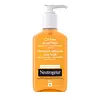
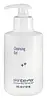
Neutrogena Oil-Free Acne Wash Sensitive Skin Facial Cleanser Versus SkinBetter Science Cleansing Gel
This salicylic acid gel cleanser is formulated around Salicylic Acid to clear breakouts and unclog pores.
This mild gel cleanser is made to cleanse while calming and soothing your skin.

What's inside
What's inside
 Key Ingredients
No key ingredients
Benefits
Concerns
No concerns
Ingredients Side-by-side
Salicylic Acid 2%
Masking










Benzalkonium Chloride
Antimicrobial
C12-15 Alkyl Lactate
EmollientChamomilla Recutita Flower Extract
Masking


Cocamidopropyl Hydroxysultaine
Cleansing
Cocamidopropyl Pg-Dimonium Chloride Phosphate
Disodium EDTA
Glycerin
Humectant

Panthenol
Skin Conditioning
PEG-120 Methyl Glucose Dioleate
Emulsifying
Sodium Chloride
MaskingSodium Hydrolyzed Potato Starch Dodecenylsuccinate
SurfactantSodium Hydroxide
BufferingSodium Methyl Cocoyl Taurate
Cleansing
Water
Skin ConditioningSalicylic Acid 2%, Benzalkonium Chloride, C12-15 Alkyl Lactate, Chamomilla Recutita Flower Extract, Cocamidopropyl Hydroxysultaine, Cocamidopropyl Pg-Dimonium Chloride Phosphate, Disodium EDTA, Glycerin, Panthenol, PEG-120 Methyl Glucose Dioleate, Sodium Chloride, Sodium Hydrolyzed Potato Starch Dodecenylsuccinate, Sodium Hydroxide, Sodium Methyl Cocoyl Taurate, Water
Water
Skin ConditioningSodium Methyl Cocoyl Taurate
Cleansing
Lauramidopropyl Betaine
CleansingCocamidopropyl Hydroxysultaine
Cleansing
Sodium Lauroyl Methyl Isethionate
CleansingSodium Chloride
MaskingGlycerin
Humectant
Aloe Barbadensis Leaf Juice
Skin Conditioning
Chamomilla Recutita Flower Extract
Masking
Cucumis Sativus Fruit Extract
Emollient
Polyglyceryl-3 Caprate
EmulsifyingCitric Acid
Buffering
Sodium Benzoate
Masking
Potassium Sorbate
Preservative
Phytic Acid

Water, Sodium Methyl Cocoyl Taurate, Lauramidopropyl Betaine, Cocamidopropyl Hydroxysultaine, Sodium Lauroyl Methyl Isethionate, Sodium Chloride, Glycerin, Aloe Barbadensis Leaf Juice, Chamomilla Recutita Flower Extract, Cucumis Sativus Fruit Extract, Polyglyceryl-3 Caprate, Citric Acid, Sodium Benzoate, Potassium Sorbate, Phytic Acid
Ingredients Explained
These ingredients are found in both products.
Ingredients higher up in an ingredient list are typically present in a larger amount.
Chamomilla Recutita Flower Extract comes from the Chamomile flower.
Chamomile is rich in antioxidants and has anti-inflammatory properties. Several compounds found in chamomile help with soothing, such as bisbolol.
Antioxidant components in chamomile make it an effective ingredient to help slow the signs of aging. Antioxidants help fight free-radical molecules, or molecules that may damage your skin.
Essential oils from chamomile have been found to improve wound healing due to its antimicrobial properties.
Ancient Greeks and Egyptians used Chamomile to treat skin redness and dryness. Chamomile has also been used to help treat stomach issues.
Learn more about Chamomilla Recutita Flower ExtractCocamidopropyl Hydroxysultaine is a synthetic cleansing agent, though it is derived from coconut oil.
It is used to enhance the texture of products by boosting lather and thickening the texture. As a cleanser, Cocamidopropyl Hydroxysultaine is mild.
Glycerin (or glycerol) is a compound naturally found in your skin. It's a powerhouse humectant that pulls water into the stratum corneum.
Topically, glycerin does several things at once:
Your skin makes glycerin on its own (mostly from sebaceous oil breakdown) and shuttles it to your outermost layer of skin, or your epidermis, via aquaporin-3.
Aquaporin-3 is a transporter that is essential for normal skin hydration, elasticity, and repair. Interestingly, mice lacking in AQP3 have dry and less elastic skin that can be fully corrected with glycerin.
This ingredient is non-irritating, plays well with almost every ingredient, and works across all skin types. Typical use is anywhere between 3-10% but can go up to 79% in some leave-on products.
Just know very high concentrations (>40%) can feel tacky in low humidity.
Glycerin is the name for this ingredient in American English. British English uses Glycerol/Glycerine.
Learn more about GlycerinChances are, you eat sodium chloride every day. Sodium Chloride is also known as table salt. This ingredient has many purposes in skincare: thickener, emulsifier, and exfoliator.
You'll most likely find this ingredient in cleansers where it is used to create a gel-like texture. As an emulsifier, it also prevents ingredients from separating.
You might see people debate whether Sodium Chloride is comedogenic, but there actually haven't been any comedogenic tests done on it. Either way, the overall formulation of a product matters a lot more than any single ingredient.
You might see this ingredient used in scrubs as a primary exfoliating ingredient.
Learn more about Sodium ChlorideSodium Methyl Cocoyl Taurate is a gentle, coconut-derived cleansing surfactant. It's most commonly found in "sulfate-free" cleansers.
As a taurate, it belongs to a class of anionic surfactants prized for being efficient at cleansing without harshness, good performance in hard water, stability across a wide pH range, and easily biodegradable.
It is able to lift away oil and grime and make a nice lather without stripping your skin, so it's a good pick for sensitive skin.
Safety-wise, it has a good record. The CIR Expert Panel has concluded this ingredient to be safe in cosmetics and concentrations go up to 11% in leave-on products or 13% in rinse-off products.
Despite being derived from coconut oil, this ingredient is fungal acne safe. It's a water-soluble surfactant with no fatty oils or esters left intact on skin for the Malassezia yeast to feed.
Learn more about Sodium Methyl Cocoyl TaurateWater. It's the most common cosmetic ingredient of all. You'll usually see it at the top of ingredient lists, meaning that it makes up the largest part of the product.
So why is it so popular? Water most often acts as a solvent - this means that it helps dissolve other ingredients into the formulation.
You'll also recognize water as that liquid we all need to stay alive. If you see this, drink a glass of water. Remember to stay hydrated!
Learn more about Water

