

What's inside
What's inside
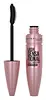 Key Ingredients
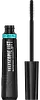
Benefits
Concerns
Ingredients Side-by-side
Isododecane
EmollientCera Alba
Emollient





Beeswax
Emulsion Stabilising
Copernicia Cerifera Cera
Emollient
Copernicia Cerifera Wax
Disteardimonium Hectorite
StabilisingWater
Skin ConditioningAllyl Stearate
Oryza Sativa Cera
Skin ConditioningOryza Sativa Bran Wax
Skin Conditioning
Paraffin
Skin Conditioning
Alcohol Denat.
Antimicrobial

Polyvinyl Laurate
Ethylene/Propylene Copolymer
Abrasive
Hydrogenated Castor Oil/Dimer Dilinoleic Acid Copolymer

CI 77491
Cosmetic ColorantCI 77492
Cosmetic ColorantCI 77499
Cosmetic ColorantIron Oxides
CI 77007
Cosmetic ColorantUltramarines
CI 77891
Cosmetic ColorantTitanium Dioxide
Cosmetic Colorant

Mica
Cosmetic ColorantCI 75470
Cosmetic ColorantCI 77288
Cosmetic ColorantChromium Oxide Greens
CI 77742
Cosmetic ColorantCI 77510
Cosmetic ColorantIsododecane, Cera Alba, Beeswax, Copernicia Cerifera Cera, Copernicia Cerifera Wax, Disteardimonium Hectorite, Water, Allyl Stearate, Oryza Sativa Cera, Oryza Sativa Bran Wax, Paraffin, Alcohol Denat., Polyvinyl Laurate, Ethylene/Propylene Copolymer, Hydrogenated Castor Oil/Dimer Dilinoleic Acid Copolymer, CI 77491, CI 77492, CI 77499, Iron Oxides, CI 77007, Ultramarines, CI 77891, Titanium Dioxide, Mica, CI 75470, CI 77288, Chromium Oxide Greens, CI 77742, CI 77510
Isododecane
EmollientCera Alba
Emollient
Beeswax
Emulsion Stabilising
Copernicia Cerifera Cera
Emollient
Copernicia Cerifera Wax
Disteardimonium Hectorite
StabilisingDilinoleic Acid/Butanediol Copolymer
Water
Skin ConditioningAllyl Stearate/Va Copolymer
Oryza Sativa Cera
Skin ConditioningOryza Sativa Bran Wax
Skin Conditioning
Paraffin
Skin Conditioning
Alcohol Denat.
Antimicrobial
Polyvinyl Laurate
Vp/Eicosene Copolymer
Propylene Carbonate
SolventTalc
Abrasive
Synthetic Beeswax
Emulsion Stabilising
Ethylenediamine/Stearyl Dimer Dilinoleate Copolymer
Skin Conditioning
PEG-30 Glyceryl Stearate
Emulsifying
2-Oleamido-1,3-Octadecanediol
Skin ConditioningPanthenol
Skin Conditioning



Pentaerythrityl Tetra-Di-T-Butyl Hydroxyhydrocinnamate
Antioxidant
BHT
Antioxidant
CI 77499
Cosmetic ColorantIron Oxides
Isododecane, Cera Alba, Beeswax, Copernicia Cerifera Cera, Copernicia Cerifera Wax, Disteardimonium Hectorite, Dilinoleic Acid/Butanediol Copolymer, Water, Allyl Stearate/Va Copolymer, Oryza Sativa Cera, Oryza Sativa Bran Wax, Paraffin, Alcohol Denat., Polyvinyl Laurate, Vp/Eicosene Copolymer, Propylene Carbonate, Talc, Synthetic Beeswax, Ethylenediamine/Stearyl Dimer Dilinoleate Copolymer, PEG-30 Glyceryl Stearate, 2-Oleamido-1,3-Octadecanediol, Panthenol, Pentaerythrityl Tetra-Di-T-Butyl Hydroxyhydrocinnamate, BHT, CI 77499, Iron Oxides
Reviews
Ingredients Explained
These ingredients are found in both products.
Ingredients higher up in an ingredient list are typically present in a larger amount.
Alcohol Denat. is an alcohol with a denaturant property. It is created by mixing ethanol with other additives.
The "denat" part just means "denatured"; common denaturants include Denatonium Benzoate, t-butyl alcohol, and Diethyl Phthalate. This step makes the alcohol undrinkable (and lets brand skip taxes related to beverage alcohol).
This ingredient gets a bad rep because it is irritating and drying due to its astringent property. Astringents draw out natural oils in tissue to constrict pores and dry out your skin.
However, alcohol denat. is not all that bad.
Due to its low molecular weight, alcohol denat. tends to evaporate quickly. One study on pig skin found half of applied alcohol evaporated in 10 seconds and less than 3% stayed on skin.
This also helps other ingredients become better absorbed upon application.
Studies are conflicted about whether this ingredient causes skin dehydration. One study from 2005 found adding emollients to propanol-based sanitizer decreased skin dryness and irritation. Another study found irritation only occurs if your skin is already damaged.
Small amounts of alcohol are generally tolerated by oily skin or people who live in humid environments.
The rule of thumb is this ingredient will probably not affect your skin much if it is near the end of an ingredients list.
One thing to note:
People with ALDH2 (aldehyde dehydrogenase 2) deficiency may experience skin irritation from continued alcohol use. About 8% of the world's population have this deficiency.
The Cosmetic Ingredient Review Expert Panel has determined denatured alcohols to be safe for use in concentrations between 0.05% and 12% (depending on which denaturant is used).
Also...
This ingredient has antimicrobial and solvent properties.
The antimicrobial property helps preserve products and increase their shelf life. As a solvent, it helps dissolve other ingredients.
Look for formulas that contain glycerin, hyaluronic acid, or panthenol if you want to offset any drying effect.
This ingredient will trip away your skin's natural oils/lipids that help it lock in moisture. This can worsen dryness, trigger eczema flare-ups, and aggravate rosacea.
Be sure to patch test any product with this ingredient if you have dry or sensitive skin, eczema, or rosacea.
Learn more about Alcohol Denat.Beeswax is natural wax produced by honey bees to build their honeycomb.
Because it forms a protective layer on your skin, it can help lock in moisture and reduce water loss. It is also widely used as a thickener and emulsifier in lip balms and lotions. Research suggests beeswax containing moisturizers can support skin barrier integrity.
In comedogenic testing, Beeswax scored a 0-2, which is on the low end. Whether or not a product clogs your pores really comes down to the formula as a whole (not any single ingredient on its own) and your skin.
Cera Alba is the white, bleached form of this ingredient.
Just so you know, beeswax is not vegan since it is animal-derived. It cannot be removed with water, but can be taken off with an oil cleanser.
People with a known Propolis allergy also report to have reactions from beeswax.
Beeswax's wax esters are derived primarily from palmitic and oleic acid (C16 and C18:1). Both of these fall within the C11-C24 feeding window.
The Malassezia yeast can potentially cleave these esters and release usable fatty acids, so this ingredient may not be fungal acne safe. However, not everyone will react to this ingredient.
Learn more about BeeswaxThis is another name for beeswax; it's a natural wax produced by honey bees to build their honeycomb.
Because it forms a protective layer on your skin, it can help lock in moisture and reduce water loss. It is also widely used as a thickener and emulsifier in lip balms and lotions. Research suggests beeswax containing moisturizers can support skin barrier integrity.
In comedogenic testing, Beeswax scored a 0-2, which is on the low end. Whether or not a product clogs your pores really comes down to the formula as a whole (not any single ingredient on its own) and your skin.
Beeswax is not vegan since it is animal-derived. It cannot be removed with water, but can be taken off with an oil cleanser.
People with a known Propolis allergy also report to have reactions from beeswax.
Beeswax's wax esters are derived primarily from palmitic and oleic acid (C16 and C18:1). Both of these fall within the C11-C24 feeding window.
The Malassezia yeast can potentially cleave these esters and release usable fatty acids, so this ingredient may not be fungal acne safe. However, not everyone will react to this ingredient.
Learn more about Cera AlbaCi 77499 is also hydrated iron III oxide. It is created from mixing red and black iron oxides. This helps give shades of darkness to a product.
Iron III oxides are classified as inorganic chemicals for coloring.
This ingredient comes from a palm tree native to Brazil. This ingredient is used to thicken texture and leaves behind a film when applied.
Copernicia Cerifera Wax comes from a palm tree native to Brazil; another name for this ingredient is Carnauba Wax.
This ingredient is used to thicken texture and also leaves behind a film when applied.
Fun fact: This wax has the highest melting point of all natural waxes and low solubility.
Learn more about Copernicia Cerifera WaxDisteardimonium Hectorite comes from the clay mineral named hectorite. It is used to add thickness to a product.
It can also help stabilize a product by helping to disperse other ingredients.
Hectorite is a rare, white clay mineral.
Learn more about Disteardimonium HectoriteIsododecane is a fragrance, emollient, and solvent.
As an emollient, it helps your skin stay soft and hydrated. Emollients help trap moisture into your skin.
Isododecane's role as a solvent makes it a great texture enhancer. It spreads smoothly on skin and does not leave a sticky feeling behind. Isododecane also helps prevent color transfer in makeup products.
Isododecane is not absorbed into skin.
The chemical name for this ingredient is 2,2,4,6,6-PENTAMETHYLHEPTANE.
Learn more about IsododecaneOryza Sativa Bran Wax is wax from the outer layer of a rice kernel. It has moisturizing properties due to its polysaccharides and omega-3 fatty acids content.
This ingredient is a byproduct of milling rice, or the operation to produce a whole grain rice product.
We don't have a description for Oryza Sativa Cera yet.
Paraffin is a solid wax that pulls its weight as an emollient, occlusive, and consistency-booster.
It softens skin and lays down a protective film to slow water loss and gives products a stable body and structure.
The cosmetic grade stuff is highly refined with a solid safety record. The CIR Expert Panel has repeatedly reaffirmed this ingredient to be safe in current practices of use and concentration.
The worry about carcinogenic compounds only applies to industrial grades, not the purified version used in skincare.
Despite its reputation, the highly reformed form is non-comedogenic and doesn't penetrate deeply into skin.
The good news for fungal-acne prone folks: the Malassezia yeast feeds on fatty acids and lipids and paraffin doesn't contain any of these (so there's nothing for the yeast to metabolize). This ingredient is considered fungal acne safe.
Learn more about ParaffinWe don't have a description for Polyvinyl Laurate yet.
Water. It's the most common cosmetic ingredient of all. You'll usually see it at the top of ingredient lists, meaning that it makes up the largest part of the product.
So why is it so popular? Water most often acts as a solvent - this means that it helps dissolve other ingredients into the formulation.
You'll also recognize water as that liquid we all need to stay alive. If you see this, drink a glass of water. Remember to stay hydrated!
Learn more about WaterThis ingredient is a combination of red, black, and yellow iron oxide pigments. This combination of colors is usually found in foundation, because it results in a "skin" color.
The EU typically uses CI numbers for colorants when applicable, such as CI 77489. In the US, iron oxides are regulated as color additives and "iron oxides" is the most commonly used name in US cosmetic practice.
A 2021 paper looked at skincare formulations containing iron oxides and found that they reduced transmission of blue light when measured optically. In simple terms, the pigment particles helped block or scatter part of the visible light spectrum in lab testing and the authors suggest this could translate into better protection against blue-light-related skin effects.
There is also clinical and experimental research showing that tinted products containing iron oxides can reduce visible light-induced pigmentation:
Please note, whether a product reduces visible or blue light depends on things like:
In the EU's CosIng database, iron oxides are only listed as a colorant. CosIng groups ingredients by their main cosmetic role, such as colorant, preservative, or UV filter.
Though studies say iron oxides can "attenuate blue light", they're describing an optical property and not an officially recognized cosmetic function.
So CosIng isn’t contradicting the research. It’s just classifying iron oxides by what they officially are: pigments that add color.
Learn more about Iron Oxides

