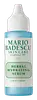
This hydrating serum is formulated around Ginkgo Biloba Leaf Extract and Panax Ginseng Root Extract to hydrate skin and calm redness.
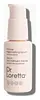
This barrier-repair serum is formulated around Lecithin to strengthen the skin barrier and hydrate skin.

What's inside
What's inside
 Key Ingredients
No key ingredients
Benefits
Concerns
Ingredients Side-by-side
Water
Skin ConditioningGlycerin
Humectant


Propylene Glycol
Humectant

Dimethicone
Emollient
Carbomer
Emulsion StabilisingGinkgo Biloba Leaf Extract
Skin Conditioning

Panax Ginseng Root Extract
Emollient
Triethanolamine
BufferingDimethiconol
Emollient
Caprylyl Glycol
Emollient
Cyclopentasiloxane
Emollient
Ethylhexyl Cocoate
Emollient


Hexylene Glycol
EmulsifyingSodium Chloride
MaskingPhenyl Trimethicone
Skin Conditioning
Glycolipids
Skin ConditioningLecithin
Emollient
Phenoxyethanol
Preservative
CI 42090
Cosmetic ColorantCI 19140
Cosmetic ColorantWater, Glycerin, Propylene Glycol, Dimethicone, Carbomer, Ginkgo Biloba Leaf Extract, Panax Ginseng Root Extract, Triethanolamine, Dimethiconol, Caprylyl Glycol, Cyclopentasiloxane, Ethylhexyl Cocoate, Hexylene Glycol, Sodium Chloride, Phenyl Trimethicone, Glycolipids, Lecithin, Phenoxyethanol, CI 42090, CI 19140



Ingredients Explained
These ingredients are found in both products.
Ingredients higher up in an ingredient list are typically present in a larger amount.
Cyclopentasiloxane (D5) is a lightweight silicone that mostly acts as an emollient and solvent in cosmetics. Its the reason your products feel silky, fast-spreading, and non-greasy.
Since D5 is volatile, it does its thing and then evaporates off the skin quickly.
The safety profile of this ingredient is reassuring; the US CIR Expert Panel concluded D5 is safe as used in cosmetics and Health Canada concluded that D5 is not harmful to human health or the environment as currently used in cosmetics
There's a study that people mention about D5 in a rat study showing tumors. This study is related to long-term inhalation of high D5 levels.
Regulatory bodies have judged this study to be not applicable in topical skincare since skin absorption of D5 is very low and we're not really inhaling huge amounts of D5.
The only restriction for this ingredient is environmental. The European Chemicals Agency (ECHA) restricted D5 in wash-off cosmetics at or above 0.1% due to their persistence in water.
Learn more about CyclopentasiloxaneDimethiconol is a silicone that resembles the popular dimethicone. Like other silicones, it is an emollient. Emollients create a thin film on skin to prevent moisture from escaping.
This ingredient helps to create a silky texture and improve spreadability. Due to its high molecular weight and thickness, it is often combined with cyclopentasiloxane.
Ethylhexyl Cocoate is created from 2-ethylhexanol and Coconut Acid. Coconut Acid is created from the fatty acids derived from Coconut Oil.
As an emollient, Ethylhexyl Cocoate helps soften and hydrate your skin. Emollients create a thin film on top of skin that traps moisture in.
Glycolipids are natural, sustainable biosurfactants. They are both surfactants (cleansing agents) and emollients.
Made from lipids and sugars, in-vitro studies show glycolipids are a gentle alternative to conventional surfactants. They also possess foaming properties to give cleaning products a nice texture.
One manufacturer study found their glycolipid also demonstrated sebum reduction and helped reduced oiliness after four weeks. This means it can also be great for scalp care.
Learn more about GlycolipidsLecithin is a term for a group of substances found in the cell membranes of plants, animals, and humans. They are made up of phospholipids.
Thanks to its amphiphilic structure (water-loving head and oil-loving tail), it is a true multitasker:
It plays well with most ingredients and is typically used at 0.1-1%. However, concentrations up to 50% have been reported in moisturizers.
Learn more about LecithinPhenoxyethanol is one of the most widely used preservatives in skincare (and for good reason!).
It has a large spectrum of antimicrobial activity and especially effective bacteria, yeast, and mold while only having a weak effect on your skin's natural microbiome.
On a cellular level, it disrupts the cell membranes of microbes by poking holes that make the cell leak. This shuts down the chemical reactions the microbe needs to make energy so it can no longer survive.
Another perk of this ingredient is that it stays functional across a wide pH range (3-10).
You'll often see it paired with boosters like Ethylhexylglycerin; one study showed that a 1:9 ratio of Ethylhexylglycerin to Phenoxyethanol damages bacterial membranes as effectively as doubling the Phenoxyethanol concentration on its own.
Typical use concentrations range from 0.3-1% depending on the formula, and this ingredient is capped at 1% int the EU.
Safety-wise, the fear mongering does not hold up to the evidence. The EU's Scientific Committee on Consumer Safety and FDA consider it safe as a preservative at up to 1%, including for children of all ages.
Adverse systemic effects only showed up in animal studies at exposures roughly 200x higher than what people get from cosmetics. And despite its very widespread use, this ingredient is a rare sensitizer and allergic reactions are uncommon.
Learn more about Phenoxyethanol

