
What's inside
What's inside
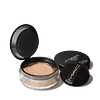 Key Ingredients
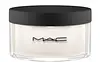
Benefits
Ingredients Side-by-side
Polymethylsilsesquioxane

Synthetic Fluorphlogopite
Silica
Abrasive


Dimethicone
Emollient
Triethoxycaprylylsilane
Ethylhexylglycerin
Skin ConditioningCaprylyl Glycol
Emollient
Diisostearyl Malate
EmollientPentaerythrityl Tetraethylhexanoate
Emollient
Hydrogenated Lecithin
Emulsifying
Tocopherol
Antioxidant





Sodium Dehydroacetate
Preservative
Mica
Cosmetic ColorantCI 77891
Cosmetic ColorantCI 77491
Cosmetic ColorantCI 77492
Cosmetic ColorantCI 77499
Cosmetic ColorantCI 42090
Cosmetic ColorantCI 77288
Cosmetic ColorantCI 77742
Cosmetic ColorantCI 73360
Cosmetic ColorantCI 77007
Cosmetic ColorantCI 19140
Cosmetic ColorantCI 15985
Cosmetic ColorantPolymethylsilsesquioxane, Synthetic Fluorphlogopite, Silica, Dimethicone, Triethoxycaprylylsilane, Ethylhexylglycerin, Caprylyl Glycol, Diisostearyl Malate, Pentaerythrityl Tetraethylhexanoate, Hydrogenated Lecithin, Tocopherol, Sodium Dehydroacetate, Mica, CI 77891, CI 77491, CI 77492, CI 77499, CI 42090, CI 77288, CI 77742, CI 73360, CI 77007, CI 19140, CI 15985
Talc
Abrasive
Silica
Abrasive
Nylon-12

Pentaerythrityl Tetraethylhexanoate
Emollient
Tocopheryl Acetate
Antioxidant
Triethoxycaprylylsilane
Phenoxyethanol
Preservative
Caprylyl Glycol
Emollient
Hexylene Glycol
EmulsifyingMica
Cosmetic ColorantCI 77891
Cosmetic ColorantIron Oxides
CI 42090
Cosmetic ColorantCI 75470
Cosmetic ColorantCI 77289
Cosmetic ColorantCI 77288
Cosmetic ColorantCI 77510
Cosmetic ColorantCI 77742
Cosmetic ColorantUltramarines
Reviews
Ingredients Explained
These ingredients are found in both products.
Ingredients higher up in an ingredient list are typically present in a larger amount.
Caprylyl Glycol is a humectant, skin conditioner, emollient, and preservative booster derived from either caprylic acid or synthetically created.
Typical use levels vary from 0.3-1% as a preservative booster and go up to 2% to condition skin.
Because it is not a free-fatty acid, this ingredient is fungal acne safe (there's nothing for Malassezia to feed on).
Learn more about Caprylyl GlycolCi 42090 is a synthetic dye created from petroleum. It is used to give a bright blue color to cosmetics, medicine, and food.
Ci 77288 is used to add green pigment to products.
This ingredient is used to add a violet color to cosmetics.
It is created by reacting phosphoric acid, ammonium dihydrogen orthophosphate, and manganese dioxide.
Ci 77891 is a white pigment from Titanium dioxide. It is naturally found in minerals such as rutile and ilmenite.
It's main function is to add a white color to cosmetics. It can also be mixed with other colors to create different shades.
Ci 77891 is commonly found in sunscreens due to its ability to block UV rays.
Learn more about CI 77891Mica is a naturally occurring mineral used to add shimmer and color in cosmetics. It can also help improve the texture of a product or give it an opaque, white/silver color.
Serecite is the name for very fine but ragged grains of mica.
This ingredient is often coated with metal oxides like titanium dioxide. Trace amounts of heavy metals may be found in mica, but these metals are not harmful in our personal products.
Mica has been used since prehistoric times throughout the world. Ancient Egyptian, Indian, Greek, Roman, Aztec, and Chinese civilizations have used mica.
Learn more about MicaPentaerythrityl Tetraethylhexanoate is an emollient that helps make your skin smooth and hydrated. It specializes in creating a non-oily and "wet" feeling on skin.
This ingredient comes from isostearic acid, a saturated fatty acid. It is a synthetic ingredient.
Silica, also known as silicon dioxide, is a naturally occurring mineral. It is used as a fine, spherical, and porous powder in cosmetics.
Though it has exfoliant properties, the function of silica varies depending on the product.
The unique structure of silica enhances the spreadability and adds smoothness, making it a great texture enhancer.
It is also used as an active carrier, emulsifier, and mattifier due to its ability to absorb excess oil.
In some products, tiny microneedles called spicules are made from silica or hydrolyzed sponge. When you rub them in, they lightly polish away dead skin layers and enhance the penetration of active ingredients.
Learn more about SilicaTriethoxycaprylylsilane is a silicon-based surface modifier that makes sunscreens feel silky and makeup stay put.
Its main job is to coat mineral particles like titanium dioxide, zinc oxide, and color pigments in a thin, oily layer so they spread smoothly, don't clump, and stick to skin better.
This ingredient is typically used at low levels (up to 2.5% in eyeshadow and 1% in lipstick).
Learn more about Triethoxycaprylylsilane

