Mac Cosmetics Mineralize Skinfinish Natural Face Powder Versus Fenty Beauty Pro Filtr Soft Matte Powder Foundation

What's inside
What's inside
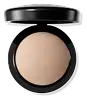 Key Ingredients
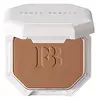
Benefits
Concerns
No concerns
Ingredients Side-by-side
Mica
Cosmetic ColorantTalc
Abrasive
Dimethicone
Emollient

Isopropyl Palmitate
Emollient


Polysorbate 20
Emulsifying
Magnesium Aluminum Silicate
Absorbent
Tocopheryl Acetate
Antioxidant


Simmondsia Chinensis Seed Oil
Emollient


Faex Extract
Skin ConditioningLauroyl Lysine
Skin Conditioning
Ethylhexyl Methoxycinnamate
UV Absorber


Sodium Dehydroacetate
Preservative
Phenoxyethanol
Preservative
CI 77891
Cosmetic ColorantCI 77491
Cosmetic ColorantCI 77492
Cosmetic ColorantCI 77499
Cosmetic ColorantCI 77163
Cosmetic Colorant
CI 42090
Cosmetic ColorantCI 75470
Cosmetic ColorantCI 77289
Cosmetic ColorantCI 77288
Cosmetic ColorantCI 77510
Cosmetic ColorantCI 77742
Cosmetic ColorantCI 77007
Cosmetic ColorantCI 15850
Cosmetic ColorantCI 19140
Cosmetic ColorantCI 15985
Cosmetic ColorantMica, Talc, Dimethicone, Isopropyl Palmitate, Polysorbate 20, Magnesium Aluminum Silicate, Tocopheryl Acetate, Simmondsia Chinensis Seed Oil, Faex Extract, Lauroyl Lysine, Ethylhexyl Methoxycinnamate, Sodium Dehydroacetate, Phenoxyethanol, CI 77891, CI 77491, CI 77492, CI 77499, CI 77163, CI 42090, CI 75470, CI 77289, CI 77288, CI 77510, CI 77742, CI 77007, CI 15850, CI 19140, CI 15985
Talc
Abrasive
Nylon-12
Synthetic Fluorphlogopite
Kaolin
Abrasive

Isoamyl Laurate
Emollient
Dimethicone
Emollient
Zinc Stearate
Cosmetic ColorantPhenyl Trimethicone
Skin Conditioning
1,2-Hexanediol
Skin Conditioning
Caprylyl Glycol
Emollient
Magnesium Myristate
Polyester-4
Skin ConditioningBoron Nitride
Absorbent
CI 77120
Cosmetic ColorantPhenoxyethanol
Preservative
Dimethiconol
Emollient
Decylene Glycol
Skin ConditioningHydrated Silica
Abrasive
Methyl Methacrylate Crosspolymer
Alumina
Abrasive
Magnesium Oxide
AbsorbentTitanium Dioxide
Cosmetic Colorant
Iron Oxides
CI 19140
Cosmetic ColorantTalc, Nylon-12, Synthetic Fluorphlogopite, Kaolin, Isoamyl Laurate, Dimethicone, Zinc Stearate, Phenyl Trimethicone, 1,2-Hexanediol, Caprylyl Glycol, Magnesium Myristate, Polyester-4, Boron Nitride, CI 77120, Phenoxyethanol, Dimethiconol, Decylene Glycol, Hydrated Silica, Methyl Methacrylate Crosspolymer, Alumina, Magnesium Oxide, Titanium Dioxide, Iron Oxides, CI 19140
Reviews
Ingredients Explained
These ingredients are found in both products.
Ingredients higher up in an ingredient list are typically present in a larger amount.
CI 19140 is also known as Tartrazine. Tartrazine is a synthetic dye used in cosmetics, foods, and medicine to add a yellow color.
Tartrazine is created from petroleum and is water-soluble.
Some people may experience allergies from this dye, especially asthmatics and those with an aspirin intolerance.
Learn more about CI 19140Dimethicone is a type of synthetic silicone created from natural materials such as quartz. It is also known as polydimethylsiloxane.
What it does:
Dimethicone comes in different viscosities:
Depending on the viscosity, dimethicone has different properties.
Ingredients lists don't always show which type is used, so we recommend reaching out to the brand if you have questions about the viscosity.
This ingredient is unlikely to cause irritation because it does not get absorbed into skin. However, people with silicone allergies should be careful about using this ingredient.
Note: Dimethicone may contribute to pilling. This is because it is not oil or water soluble, so pilling may occur when layered with products. When mixed with heavy oils in a formula, the outcome is also quite greasy.
Learn more about DimethiconePhenoxyethanol is a preservative that has germicide, antimicrobial, and aromatic properties. Studies show that phenoxyethanol can prevent microbial growth. By itself, it has a scent that is similar to that of a rose.
It's often used in formulations along with Caprylyl Glycol to preserve the shelf life of products.
Talc is a clay mineral. It helps absorb moisture and improve the texture of products. Like other types of clay, Talc can have a slight exfoliating effect on skin. Talc can be added to increase the volume of products.
Some Baby powders are made by combining talc with corn starch. The word "talc" comes from Latin and originates from Arabic. Talc is a mineral commonly found throughout the world.
If you have any concerns about using talc, we recommend checking out the FDA's official page.
Learn more about Talc
