This acne treatment is formulated around Zinc Oxide and Melaleuca Alternifolia Leaf Oil to clear breakouts and calm redness.


What's inside
What's inside
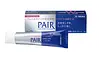 Key Ingredients
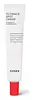
No key ingredients
Benefits
Concerns
Ingredients Side-by-side



Aloe Barbadensis Leaf Water
MaskingButylene Glycol
Humectant

Helianthus Annuus Seed Oil
Emollient


Glycerin
Humectant
Zinc Oxide
Cosmetic Colorant


Cetearyl Alcohol
Emollient




Dimethyl Sulfone
SolventBetaine
Humectant
Polysorbate 60
Emulsifying
Elaeis Guineensis Oil
Emollient
Elaeis Guineensis Kernel Oil
Emollient
Cetearyl Olivate
Sorbitan Olivate
Emulsifying
1,2-Hexanediol
Skin Conditioning
Calamine
AbsorbentDimethicone
Emollient
Illicium Verum Fruit Extract
Perfuming
Scutellaria Baicalensis Root Extract
Astringent
Xanthan Gum
EmulsifyingMelaleuca Alternifolia Leaf Oil
Antioxidant



Ethyl Hexanediol
SolventAsiaticoside
Antioxidant

Asiatic Acid
Skin Conditioning
Madecassic Acid
Skin Conditioning
Aloe Barbadensis Leaf Water, Butylene Glycol, Helianthus Annuus Seed Oil, Glycerin, Zinc Oxide, Cetearyl Alcohol, Dimethyl Sulfone, Betaine, Polysorbate 60, Elaeis Guineensis Oil, Elaeis Guineensis Kernel Oil, Cetearyl Olivate, Sorbitan Olivate, 1,2-Hexanediol, Calamine, Dimethicone, Illicium Verum Fruit Extract, Scutellaria Baicalensis Root Extract, Xanthan Gum, Melaleuca Alternifolia Leaf Oil, Ethyl Hexanediol, Asiaticoside, Asiatic Acid, Madecassic Acid
Reviews
Ingredients Explained
These ingredients are found in both products.
Ingredients higher up in an ingredient list are typically present in a larger amount.
Butylene Glycol (or BG) is used within cosmetic products for a few different reasons:
Overall, Butylene Glycol is a safe and well-rounded ingredient that works well with other ingredients.
Though this ingredient works well with most skin types, some people with sensitive skin may experience a reaction such as allergic rashes, closed comedones, or itchiness.
Learn more about Butylene GlycolPolysorbate 60 is used to help stabilize products. It is a surfactant and emulsifier. These properties help keep ingredients together in a product. Surfactants help reduce surface tension between ingredients with different states, such as liquids and solids. Emulsifiers help prevent oils and waters from separating.
Polysorbate 60 is sorbitol-based and created from the ethoxylation of sorbitan. Ethoxylation is a chemical reaction used to add ethylene oxide. Sorbitan is a the dehydrated version of sorbitol, a sugar found in fruits.
In this case, the 60 comes from reacting 60 units of ethylene oxide with sorbitan.
Polysorbates are commonly used in medicine and foods.
Learn more about Polysorbate 60


