Kosas The Sun Show Glowy Warmth Baked Bronzer Versus Mac Cosmetics Mineralize Skinfinish Natural Face Powder

What's inside
What's inside
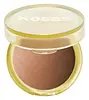 Key Ingredients
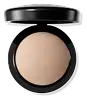
Benefits
Concerns
Ingredients Side-by-side
Mica
Cosmetic ColorantLimnanthes Alba Seed Oil
Skin Conditioning



Hydrogenated Vegetable Oil
Emollient

Caprylic/Capric Triglyceride
Masking

Silica
Abrasive


Hectorite
AbsorbentSoybean Glycerides
EmollientPhenethyl Alcohol
MaskingTocopheryl Acetate
Antioxidant


Caprylyl Glycol
Emollient
Butyrospermum Parkii Butter Unsaponifiables
Skin Conditioning
Butyrospermum Parkii Butter Extract
Skin Conditioning
Oleic/Linoleic/Linolenic Polyglycerides
Emollient
Sorbitan Tristearate
EmulsifyingAscorbyl Palmitate
Antioxidant

CI 77163
Cosmetic Colorant
CI 77491
Cosmetic ColorantCI 77492
Cosmetic ColorantCI 77499
Cosmetic ColorantCI 77891
Cosmetic ColorantMica, Limnanthes Alba Seed Oil, Hydrogenated Vegetable Oil, Caprylic/Capric Triglyceride, Silica, Hectorite, Soybean Glycerides, Phenethyl Alcohol, Tocopheryl Acetate, Caprylyl Glycol, Butyrospermum Parkii Butter Unsaponifiables, Butyrospermum Parkii Butter Extract, Oleic/Linoleic/Linolenic Polyglycerides, Sorbitan Tristearate, Ascorbyl Palmitate, CI 77163, CI 77491, CI 77492, CI 77499, CI 77891
Mica
Cosmetic ColorantTalc
Abrasive
Dimethicone
Emollient
Isopropyl Palmitate
Emollient
Polysorbate 20
Emulsifying
Magnesium Aluminum Silicate
Absorbent
Tocopheryl Acetate
Antioxidant
Simmondsia Chinensis Seed Oil
Emollient
Faex Extract
Skin ConditioningLauroyl Lysine
Skin Conditioning
Ethylhexyl Methoxycinnamate
UV Absorber


Sodium Dehydroacetate
Preservative
Phenoxyethanol
Preservative
CI 77891
Cosmetic ColorantCI 77491
Cosmetic ColorantCI 77492
Cosmetic ColorantCI 77499
Cosmetic ColorantCI 77163
Cosmetic Colorant
CI 42090
Cosmetic ColorantCI 75470
Cosmetic ColorantCI 77289
Cosmetic ColorantCI 77288
Cosmetic ColorantCI 77510
Cosmetic ColorantCI 77742
Cosmetic ColorantCI 77007
Cosmetic ColorantCI 15850
Cosmetic ColorantCI 19140
Cosmetic ColorantCI 15985
Cosmetic ColorantMica, Talc, Dimethicone, Isopropyl Palmitate, Polysorbate 20, Magnesium Aluminum Silicate, Tocopheryl Acetate, Simmondsia Chinensis Seed Oil, Faex Extract, Lauroyl Lysine, Ethylhexyl Methoxycinnamate, Sodium Dehydroacetate, Phenoxyethanol, CI 77891, CI 77491, CI 77492, CI 77499, CI 77163, CI 42090, CI 75470, CI 77289, CI 77288, CI 77510, CI 77742, CI 77007, CI 15850, CI 19140, CI 15985
Ingredients Explained
These ingredients are found in both products.
Ingredients higher up in an ingredient list are typically present in a larger amount.
CI 77163 is the color-index name for Bismuth Oxychloride, a lab-made white powder that acts as a pearl pigment.
It's what gives a lot of pressed powders, eyeshadows, highlighteres, and mineral foundations that soft pearly glow.
Due to its structure as flat, plate-like crystals that stack like tiles, it feels silky and sticks to skin well. This also makes it very chemically stable and insoluble under normal skin conditions (this just means it sits on top of skin rather than going into it).
It has an interesting quirk: it slowly goes gray in sunlight and the graying is partly reversible in the dark.
At this time, there's no legal cap on how much a brand can use. Both the FDA and the EU permit it without restriction so real-world concentration levels come down to formulation:
Allergy risk is low as well since it's insoluble and doesn't release free metal ions into skin. True allergic contact dermatitis to it is rare enough that there's very little published cases.
However, mineral makeup users do report itching or stinging. The leading explanation for this is irritation from those stiff platelet crystals rubbing on skin (also more likely with heavy, high-percentage loose mineral powders) rather than an immune reaction.
This ingredient shows up on a lot of "pore-clogging" lists but there's no real evidence behind that. It doesn't even have a comedogenic rating from an actual study; the numbers you'll find online come from blogs citing other blogs.
Some people still find it breaks them out. So if that's you, definitely trust your skin.
Learn more about CI 77163Ci 77491 is also hydrated iron III oxide. It's sole purpose is to give a red/pink hue to products.
Iron III oxides are classified as inorganic chemicals for coloring.
Synthetically created Ci 77491 is considered safer than those naturally found. This is because the synthetically created version may contain less impurities. Iron oxides are generally non-toxic and non-allergenic.
Learn more about CI 77491CI 77492 is also hydrated iron III oxide. It's sole purpose is to give a yellow hue to products.
Iron III oxides are classified as inorganic chemicals for coloring.
Synthetically created CI 77492 is considered safer than those naturally found. This is because the synthetically created version may contain less impurities. Iron oxides are generally non-toxic and non-allergenic.
Learn more about CI 77492Ci 77499 is also hydrated iron III oxide. It is created from mixing red and black iron oxides. This helps give shades of darkness to a product.
Iron III oxides are classified as inorganic chemicals for coloring.
Ci 77891 is a white pigment from Titanium dioxide. It is naturally found in minerals such as rutile and ilmenite.
It's main function is to add a white color to cosmetics. It can also be mixed with other colors to create different shades.
Ci 77891 is commonly found in sunscreens due to its ability to block UV rays.
Learn more about CI 77891Mica is a naturally occurring mineral used to add shimmer and color in cosmetics. It can also help improve the texture of a product or give it an opaque, white/silver color.
Serecite is the name for very fine but ragged grains of mica.
This ingredient is often coated with metal oxides like titanium dioxide. Trace amounts of heavy metals may be found in mica, but these metals are not harmful in our personal products.
Mica has been used since prehistoric times throughout the world. Ancient Egyptian, Indian, Greek, Roman, Aztec, and Chinese civilizations have used mica.
Learn more about MicaTocopheryl Acetate is a stable, shelf-friendly form of vitamin E.
Formulators love it because plain vitamin E oxidizes quickly once it hits air. This acetate version stays stable and resists going off, helping to extend a product's shelf life.
It's actually inactive on its own and works like a slow-release "storage" form; the enzymes in your skin called esterases gradually convert it into active vitamin E over time.
One in vivo study showed 5% of the acetate in the living layer of the epidermis converted to vitamin E after 5 days of application. This study also found the skin gained protection against UV damage even though the conversion was slow and small.
Once converted, vitamin E acts as a skin's main fat-soluble antioxidant that fights free radicals to protect skin from damage.
Topical vitamin E generally boosts the skin's photoprotection, and it reduced UV-damage in animal models.
This ingredient has some brightening potential but it's more of a prevention ingredient than spot-fader. Cell studies show it can slow down melanin production but it's worth noting that it's not the most powerful brightener out there.
Overall, it has a pretty solid safety profile and has been found to be non-irritating and non-comedogenic. Allergic reactions may happen but stay rare due to how widely the ingredient gets used.
The concentration will vary depending on the formula; industry data shows 0.1% in baby lotions, 3% in lipsticks, and 5% in foot powders. You can also find this ingredient at 100% in a pure vitamin E oil.
Most leave-on skincare keeps it at the lower end, often between 0.5-1%.
Learn more about Tocopheryl Acetate

