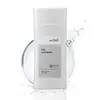
This pore-care moisturizer is formulated around Azelaic Acid and Niacinamide to refine the look of pores and balance excess oil.
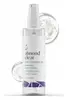
This acne moisturizer is formulated around Aloe Barbadensis Leaf Juice and Mandelic Acid to clear breakouts and refine skin texture.


What's inside
What's inside
 Key Ingredients
Benefits
Concerns
Ingredients Side-by-side
Water
Skin ConditioningGlycylglycine
Pentylene Glycol
Skin Conditioning
Potassium Azeloyl Diglycinate
Skin Conditioning




Azelaic Acid
Buffering




Niacinamide
Smoothing

Bis-Glyceryl Ascorbate
Antioxidant

Dipotassium Glycyrrhizate
Humectant
Taurine
BufferingLysine Hcl
Skin Conditioning
Alanine
Masking
Histidine Hcl
Skin ConditioningArginine
Masking
Serine
Masking
Proline
Skin Conditioning
Glutamic Acid
Humectant
Threonine
Valine
MaskingLeucine
Skin ConditioningGlycine
Buffering
Allantoin
Skin Conditioning
Isoleucine
Skin ConditioningPhenylalanine
Masking
Sodium Acetylated Hyaluronate
Humectant
Sodium Hyaluronate
Humectant
Sodium Hyaluronate Crosspolymer-2
HumectantHydrolyzed Sodium Hyaluronate
Skin Conditioning
Crataegus Cuneata Fruit Extract
Skin ConditioningZiziphus Jujuba Fruit Extract
Skin ConditioningCitrus Grandis Fruit Extract
Astringent
Pyrus Malus Fruit Extract
Skin Conditioning
Citrus Aurantium Dulcis Juice
Skin ConditioningCitrus Limon Juice
Skin Conditioning
Citrus Aurantifolia Juice
CleansingButylene Glycol
Humectant
Glycerin
Humectant
Ethylhexylglycerin
Skin ConditioningCalcium Sodium Borosilicate
Silver Oxide
AntimicrobialWater, Glycylglycine, Pentylene Glycol, Potassium Azeloyl Diglycinate, Azelaic Acid, Niacinamide, Bis-Glyceryl Ascorbate, Dipotassium Glycyrrhizate, Taurine, Lysine Hcl, Alanine, Histidine Hcl, Arginine, Serine, Proline, Glutamic Acid, Threonine, Valine, Leucine, Glycine, Allantoin, Isoleucine, Phenylalanine, Sodium Acetylated Hyaluronate, Sodium Hyaluronate, Sodium Hyaluronate Crosspolymer-2, Hydrolyzed Sodium Hyaluronate, Crataegus Cuneata Fruit Extract, Ziziphus Jujuba Fruit Extract, Citrus Grandis Fruit Extract, Pyrus Malus Fruit Extract, Citrus Aurantium Dulcis Juice, Citrus Limon Juice, Citrus Aurantifolia Juice, Butylene Glycol, Glycerin, Ethylhexylglycerin, Calcium Sodium Borosilicate, Silver Oxide



Reviews
Ingredients Explained
These ingredients are found in both products.
Ingredients higher up in an ingredient list are typically present in a larger amount.
Azelaic acid is a multitasker ingredient that helps treat acne, pigmentation, and irritation. It is a great option for sensitive skin.
What makes it special?
OTC Azelaic acid is usually available in concentrations from 10-15% and anything over requires a prescription.
Here's what each tier does best:
Unlike other acids, azelaic acid will not make your skin more photosensitive/sun sensitive.
Though this ingredient is naturally occurring in grains like wheat, rye, and barley, it is usually synthetically created for cosmetics to ensure stability and effectiveness.
Learn more about Azelaic AcidEthylhexylglycerin is created from glycerin. It is a multitasker ingredient that:
The CIR Expert Panel found minimal skin absorption or sensitization of any kind in a safety assessment. Though this ingredient is considered well-tolerated, a small number of cases of allergic dermatitis have been published since 2002. Just be sure to patch test if you are unsure.
Industry-reported use ranges from 8% in rinse-off products and 2% in leave-on formulations.
Learn more about EthylhexylglycerinGlycerin (or glycerol) is a compound naturally found in your skin. It's a powerhouse humectant that pulls water into the stratum corneum.
Topically, glycerin does several things at once:
Your skin makes glycerin on its own (mostly from sebaceous oil breakdown) and shuttles it to your outermost layer of skin, or your epidermis, via aquaporin-3.
Aquaporin-3 is a transporter that is essential for normal skin hydration, elasticity, and repair. Interestingly, mice lacking in AQP3 have dry and less elastic skin that can be fully corrected with glycerin.
This ingredient is non-irritating, plays well with almost every ingredient, and works across all skin types. Typical use is anywhere between 3-10% but can go up to 79% in some leave-on products.
Just know very high concentrations (>40%) can feel tacky in low humidity.
Glycerin is the name for this ingredient in American English. British English uses Glycerol/Glycerine.
Learn more about GlycerinSodium Hyaluronate is the salt form of hyaluronic acid. It is a long sugar chain that is naturally found in your skin, joints, and connective tissue that maintains hydration and elasticity.
In skincare, it works as a humectant. It pulls water from the environment and deeper layers of skin and binds it to the surface.
Interestingly, the size of the molecule affects its behavior:
Some clinical evidence links low molecular weight versions to improved wrinkle depth, elasticity, anti-inflammatory effects, and barrier repair.
Many serums use a blend of both weights so you can get surface hydration plus longer-lasting and deeper effects.
You'll typically see concentrations between 0.1-2% for this ingredient.
Learn more about Sodium Hyaluronate

